当社のアーティストが、お客様のご希望のサイズと額縁に合わせて、キャンバスに手描きで制作する油彩画です。 ( プリント版に切り替え デジタル画像販売へ切り替え)





























作品のオリジナル比率に合わせた、当店の規定サイズからお選びください。

特定のフレームやスペースに合わせて、ご希望のサイズをご入力いただけます。選択されたサイズが元の画像の比率と異なる場合、アートワークをトリミングするか、手描きで要素を追加して絵画を拡張いたします。デジタルモックアップ を制作し、制作開始前にご確認(承認)をいただきます。
画面上のプレビューは、実際のトリミングや拡張を正確に反映しているものではありません。最終的な構図は、モックアップによってのみ正確にご確認いただけます。
カスタムサイズもご利用いただけますが、元の比率を維持するためには、あらかじめ用意されたリストからサイズを選択することをお勧めいたします。

untitled (9834)
複製画のサイズ
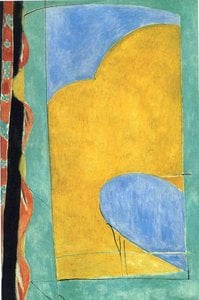
Henri Matisse's "Untitled (9834)" is more than just a depiction of a rural scene; it’s an immersion into the heart of post-impressionist color and a testament to the artist’s lifelong pursuit of capturing light and emotion. Born in 1869 in Le Cateau-Cambrésis, France, Matisse's artistic journey began unexpectedly after a period of convalescence following an illness. This pivotal moment ignited within him a passion for painting that would forever transform his life and legacy. The canvas before us presents a deceptively simple tableau – a modest house nestled amongst trees, figures scattered across the landscape, and a dog adding a touch of domesticity to the pastoral setting. Yet, beneath this apparent tranquility lies a carefully constructed composition brimming with Matisse’s signature stylistic flourishes.
Matisse was a pioneer in liberating color from its descriptive function and employing it instead as the primary subject matter. In “Untitled (9834),” this principle is vividly demonstrated. The dominant red of the house roof isn’t merely an indication of material; it pulsates with energy, demanding attention and establishing a visual anchor for the entire composition. The surrounding greens and blues are not rendered in realistic detail but rather as broad, flattened planes of color, creating a sense of vibrancy and immediacy. This deliberate simplification, characteristic of Matisse's mature style – often referred to as “fauvism” though he later distanced himself from the term – allows him to focus on the pure emotional impact of each hue. Notice how the colors seem to vibrate against one another, generating a dynamic tension that is both captivating and deeply satisfying.
The arrangement of figures within the scene contributes significantly to its overall mood. They are not presented as individuals engaged in specific activities but rather as fragments of a larger, undefined narrative. The placement of people near the house suggests a connection to the dwelling, perhaps hinting at family life or community. The dog, positioned centrally, acts as a grounding element, subtly unifying the disparate elements of the composition. Matisse’s use of overlapping planes and simplified forms creates a sense of depth without resorting to traditional perspective. This flattening of space is further emphasized by the lack of sharp outlines; instead, shapes are defined by their color and tonal variations. The scene feels both intimate and expansive, inviting the viewer to contemplate the relationships between the figures and their environment.
“Untitled (9834)” was painted during a period of immense artistic experimentation and innovation in France. Following the Impressionists’ focus on capturing fleeting moments of light, Matisse sought to distill painting down to its essential elements – color, line, and form. His work reflects the broader currents of modern art, anticipating developments in abstraction while retaining a strong connection to the natural world. The influence of Japanese prints is also evident in his flattened perspective and decorative use of color. Matisse’s exploration of these principles paved the way for subsequent generations of artists, solidifying his place as one of the most influential figures in 20th-century art.
At WahooArt.com, we are proud to offer meticulously crafted hand-painted reproductions of “Untitled (9834),” allowing you to experience the full brilliance and emotional resonance of this iconic masterpiece within your own space. Each reproduction is created by skilled artisans using archival quality materials, ensuring that it faithfully captures the essence of Matisse’s vision for generations to come.


1869 - 1954 , フランス

Explore the transformative era of Post-Impressionism. Discover how masters like Cézanne and Matisse revolutionized color and form, moving beyond Impressionism to shape modern art history through structural innovation and expressive emotion.


 プレビュー
プレビュー
 シェアする
シェアする シェアする
シェアする
 詳細を見る
詳細を見る

 ダウンロード
 似ている作品
 X線調査
X線調査 スライドショー
 統計情報
統計情報
 詳細を見る
詳細を見る









 ガラスオプションは、110cm未満のサイズでのみご利用いただけます。