
当社のアーティストが、お客様のご希望のサイズと額縁に合わせて、キャンバスに手描きで制作する油彩画です。 ( Switch to Print Switch to Digital Image)





























作品のオリジナル比率に合わせた、当店の規定サイズからお選びください。

特定のフレームやスペースに合わせて、ご希望のサイズをご入力いただけます。選択されたサイズが元の画像の比率と異なる場合、アートワークをトリミングするか、手描きで要素を追加して絵画を拡張いたします。デジタルモックアップ を制作し、制作開始前にご確認(承認)をいただきます。
画面上のプレビューは、実際のトリミングや拡張を正確に反映しているものではありません。最終的な構図は、モックアップによってのみ正確にご確認いただけます。
カスタムサイズもご利用いただけますが、元の比率を維持するためには、あらかじめ用意されたリストからサイズを選択することをお勧めいたします。

untitled (8371)
複製画のサイズ
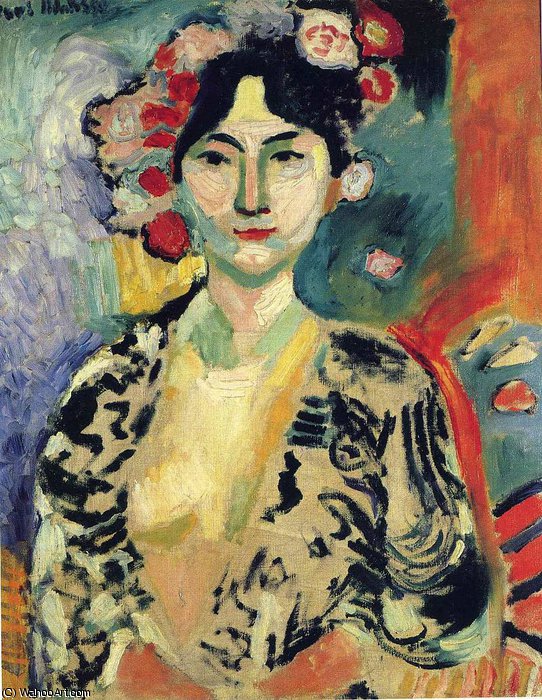
Henri Matisse, a name synonymous with audacious color and lyrical draughtsmanship, stands as one of the most influential figures in twentieth-century art. His oeuvre transcends mere representation; it embodies an emotional response to the world around him—a conviction that “color is my painting,” as he famously declared. This particular canvas, simply titled "Untitled (8371)," exemplifies this philosophy perfectly, offering a glimpse into Matisse’s masterful command of artistic expression.
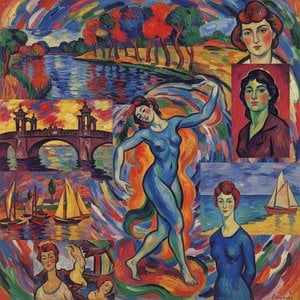
The artwork depicts a woman bathed in luminous hues – predominantly shades of ochre and crimson – seated gracefully amidst a tranquil garden setting. Her gaze is direct, imbued with an intensity that draws the viewer inward, inviting contemplation. Delicate floral arrangements adorn her hair, symbolizing beauty, femininity, and perhaps a connection to the natural world—a recurring motif throughout Matisse’s work.
“Untitled (8371)” firmly establishes itself within the Fauvist movement, spearheaded by Matisse alongside André Derain and Maurice Denis. Born in the wake of World War I, Fauvism rejected academic conventions of perspective and tonal gradation, prioritizing instead a visceral reaction to color. Matisse’s approach wasn't about accurately depicting reality; it was about conveying feeling—a joyous exuberance that sought to liberate painting from the constraints of illusion.
The technique employed is characterized by thick, impasto brushstrokes – paint applied with considerable pressure—creating a textured surface that pulsates with vibrancy. Matisse meticulously layered pigments, achieving astonishing luminosity and depth without resorting to traditional shading methods. This deliberate disregard for realism underscores his belief in color as the primary vehicle of artistic communication.
Beyond its striking visual impact, “Untitled (8371)” resonates with symbolic significance. The flowers woven into the woman’s hair represent not only aesthetic beauty but also themes of rebirth, fertility, and remembrance—elements frequently explored by Matisse in his artistic explorations. Similarly, the portrait itself speaks to broader ideas about femininity and contemplation, reflecting Matisse's fascination with capturing human emotion through stylized form.
The inclusion of vases – positioned subtly on either side – adds to the composition’s elegance and reinforces the connection between the woman and her surroundings. The chair in the background serves as a grounding element, anchoring the scene while simultaneously suggesting stillness and repose. Matisse's meticulous attention to detail contributes to the overall sense of harmony and balance.
“Untitled (8371)” stands as a testament to Henri Matisse’s unwavering commitment to artistic innovation and emotional honesty. His pioneering use of color continues to inspire artists today, demonstrating the transformative power of embracing subjective experience within the realm of visual art. Reproductions of this captivating masterpiece offer an opportunity to immerse oneself in the brilliance of Fauvist aesthetics—a celebration of color and form that transcends time.


1869 - 1954 , フランス

Explore the vibrant revolution of Fauvism. Discover how masters like Henri Matisse liberated color from reality to express pure emotion. An expert guide into the 'Wild Beasts' of modern art history for collectors and enthusiasts.
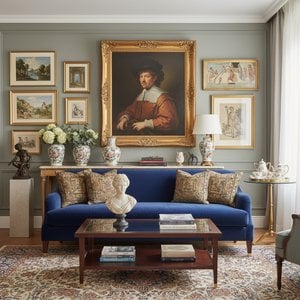
サンクトペテルブルク・エルミタージュ美術館の至宝25選。レムブランド、ダ・ヴィンチの名作を紐解き、歴史と芸術の輝きをご堪能ください。WahooArt.comで高品質な複製画やインテリアアートを見つけ、空間に感動を。今すぐコレクションをご覧ください。
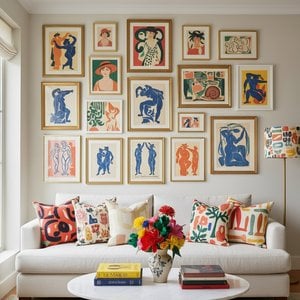
アンリ・マティスの傑作25選🎨 色彩と情熱が織りなす世界を旅する。フォーヴィスム代表の巨匠、マティスの絵画の魅力と歴史を紐解きます。WahooArtで高品質なアートプリントや複製画を見つけ、インテリアに芸術的な輝きを✨ Explore the full collection online
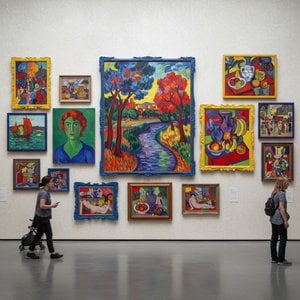
鮮烈な色彩が時代を席巻!フォーヴィズムを代表する10大名作を徹底解剖。マティスら巨匠の技と情熱に触れ、アートの新たな世界を発見。WahooArt.comで至高の美術館級レプリカと洗練されたインテリアアイデアを見つけよう。
Explore 10 Fauvist masterpieces by Matisse, Derain & Vlaminck that ignited Modern Art! Discover bold colors, expressionist landscapes & the history of this revolutionary movement. Find museum-quality prints at WahooArt.com.

 プレビュー
プレビュー
 シェアする
シェアする シェアする
シェアする
 詳細を見る
詳細を見る

 ダウンロード
 似ている作品
 X線調査
X線調査 スライドショー
 Stats
Stats
 詳細を見る
詳細を見る









 ガラスオプションは、110cm未満のサイズでのみご利用いただけます。


