
当社のアーティストが、お客様のご希望のサイズと額縁に合わせて、キャンバスに手描きで制作する油彩画です。 ( プリント版に切り替え デジタル画像販売へ切り替え)





























作品のオリジナル比率に合わせた、当店の規定サイズからお選びください。

特定のフレームやスペースに合わせて、ご希望のサイズをご入力いただけます。選択されたサイズが元の画像の比率と異なる場合、アートワークをトリミングするか、手描きで要素を追加して絵画を拡張いたします。デジタルモックアップ を制作し、制作開始前にご確認(承認)をいただきます。
画面上のプレビューは、実際のトリミングや拡張を正確に反映しているものではありません。最終的な構図は、モックアップによってのみ正確にご確認いただけます。
カスタムサイズもご利用いただけますが、元の比率を維持するためには、あらかじめ用意されたリストからサイズを選択することをお勧めいたします。

untitled (5953)
複製画のサイズ
Henri Matisse's “Untitled (5953)” stands as a testament to the transformative power of color within the framework of Fauvist aesthetics. Painted in 1953, shortly before his passing, this gouache découpée – meaning "cut-out" – is more than just a visual spectacle; it’s an embodiment of Matisse's artistic philosophy and a reflection of the evolving landscape of modern art.
The painting immediately captivates with its dominant palette: shades of serene blue intertwine with crisp whites, creating a tranquil yet dynamic composition. Figures—primarily men and women—are positioned around a pool area, their postures relaxed and inviting. The inclusion of two bowls adds an element of domesticity and contemplation, while the vase subtly directs the viewer’s gaze towards the left side of the canvas.
Matisse's approach to painting revolutionized artistic expression in the early 20th century. He championed what became known as Fauvism (“wild beast”), rejecting academic conventions and prioritizing color above all else. Unlike Impressionists who sought to capture fleeting moments of light, Matisse deliberately flattened perspective and reduced forms to their essential outlines—a technique designed to amplify the emotional impact of hue.
"Untitled (5953)" exemplifies this principle perfectly. The simplified shapes of the chairs and bowls are rendered in bold blues and whites, allowing color to dominate the visual experience. This deliberate distortion isn’t merely stylistic; it serves as a conduit for conveying mood and atmosphere—a feeling of serenity and social connection.
Beyond its formal innovations, “Untitled (5953)” resonates with symbolic undertones. The spiral pattern inherent in the snail’s shell – as Matisse himself recounted – is mirrored in the concentric arrangement of colored shapes at the center of the painting. This deliberate echo of natural forms speaks to Matisse's fascination with organic beauty and his desire to capture its essence.
The use of complementary colors—red juxtaposed against green, orange against blue—further enhances the painting’s visual richness and contributes to its emotional depth. These hues aren’t merely decorative; they engage in a dynamic interplay that stimulates the viewer's senses and evokes feelings of warmth and vibrancy.
"Untitled (5953)" represents a culmination of Matisse’s lifelong pursuit of artistic truth—a belief that color could communicate emotion more effectively than representation. His groundbreaking approach paved the way for subsequent generations of artists, influencing movements like Abstract Expressionism and inspiring countless creatives to embrace bold chromatic palettes.
Reproductions of this iconic artwork offer a captivating glimpse into Matisse’s visionary aesthetic and provide an opportunity to experience the enduring beauty of Fauvist art firsthand. Its tranquil composition and masterful use of color continue to resonate with audiences today, cementing its place as one of Matisse's most celebrated creations.

1869 - 1954 , フランス
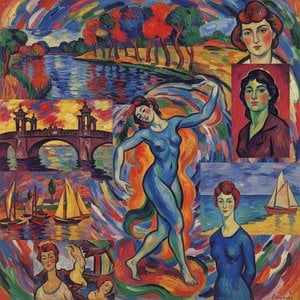
Explore 10 Fauvist masterpieces by Matisse, Derain & Vlaminck that ignited Modern Art! Discover bold colors, expressionist landscapes & the history of this revolutionary movement. Find museum-quality prints at WahooArt.com.

Immerse yourself in the captivating world of slate blue! Explore 10 iconic paintings by Monet, Van Gogh & Renoir. Discover their stories, techniques & find museum-quality art reproductions for your home at .
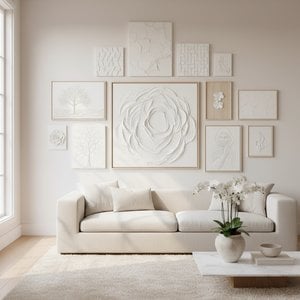
Explore 10 iconic white paintings by Monet, Whistler & Rothko! Discover the stories behind these serene masterpieces and their impact on art history. Find museum-quality reproductions for your home decor at .
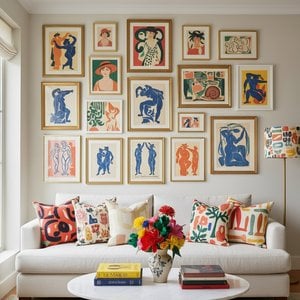
アンリ・マティスの傑作25選🎨 色彩と情熱が織りなす世界を旅する。フォーヴィスム代表の巨匠、マティスの絵画の魅力と歴史を紐解きます。WahooArtで高品質なアートプリントや複製画を見つけ、インテリアに芸術的な輝きを✨ Explore the full collection online
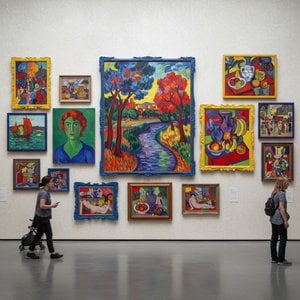
鮮烈な色彩が時代を席巻!フォーヴィズムを代表する10大名作を徹底解剖。マティスら巨匠の技と情熱に触れ、アートの新たな世界を発見。WahooArt.comで至高の美術館級レプリカと洗練されたインテリアアイデアを見つけよう。


 プレビュー
プレビュー
 シェアする
シェアする シェアする
シェアする
 詳細を見る
詳細を見る

 ダウンロード
 似ている作品
 X線調査
X線調査 スライドショー
 統計情報
統計情報

 詳細を見る
詳細を見る









 ガラスオプションは、110cm未満のサイズでのみご利用いただけます。


