































作品のオリジナル比率に合わせた、当店の規定サイズからお選びください。

特定のフレームやスペースに合わせて、ご希望のサイズをご入力いただけます。選択されたサイズが元の画像の比率と異なる場合、アートワークをトリミングするか、手描きで要素を追加して絵画を拡張いたします。デジタルモックアップ を制作し、制作開始前にご確認(承認)をいただきます。
画面上のプレビューは、実際のトリミングや拡張を正確に反映しているものではありません。最終的な構図は、モックアップによってのみ正確にご確認いただけます。
カスタムサイズもご利用いただけますが、元の比率を維持するためには、あらかじめ用意されたリストからサイズを選択することをお勧めいたします。

untitled (5211)
複製画のサイズ
“Untitled (5211)” by Henri Matisse is more than just a painting; it’s an invitation into a realm of vibrant hues and enigmatic emotion. Executed sometime between 1906 and 1907, this artwork exemplifies Matisse's signature style—Fauvism—a movement that championed unrestrained color as expressive force rather than merely representing reality.
The image depicts a woman’s head, rendered in a striking monochrome palette of black and white. However, the dominant element is undeniably her scarlet scarf, boldly positioned atop her head. This deliberate choice of color isn't accidental; it speaks to Matisse’s fascination with capturing psychological states through pigment. The scarf acts as a focal point, drawing the viewer’s eye and immediately establishing an atmosphere of intensity.
Matisse’s technique is characterized by loose brushstrokes and simplified forms—a departure from academic conventions that sought meticulous detail. He achieved this effect using tempera on canvas, applying paint in thick layers to create textural surfaces that convey movement and vibrancy despite the monochrome scheme. The artist skillfully captures the woman's facial expression – a gaze directed outwards with an unsettling stillness – hinting at unspoken thoughts and adding depth to the composition.
Born in Le Cateau-Cambrésis, France, Henri Matisse (1869–1954) initially pursued law but abandoned his legal ambitions after a serious illness. This pivotal moment redirected him toward painting, fueled by the encouragement of his mother and nurtured during convalescence. Influenced by Impressionism and Post-Impressionism, Matisse embraced Fauvism alongside André Derain and Maurice Denis, rejecting naturalistic representation in favor of emotive color.
The Fauvist movement arose as a reaction against the prevailing artistic trends of the time—particularly Impressionism’s focus on capturing fleeting moments of light. Matisse sought to liberate color from its descriptive role, believing it could convey emotion and psychological truth directly. “Untitled (5211)” embodies this ethos perfectly, prioritizing feeling over factual accuracy.
While the precise symbolism embedded within "Untitled (5211)" remains open to interpretation, the scarlet scarf undoubtedly carries connotations of passion, vitality, and perhaps even vulnerability. Matisse’s masterful use of monochrome contrasts powerfully against this bold color, amplifying its emotional impact.
The woman's gaze—a disconcerting stillness amidst a dynamic composition—suggests contemplation and introspection. It invites viewers to ponder the unspoken narratives residing beneath the surface of appearances. Ultimately, Matisse’s artwork transcends mere visual representation; it communicates an experience of feeling—a testament to his enduring legacy as one of the most influential artists of the twentieth century.
A high-quality reproduction of “Untitled (5211)” captures the essence of Matisse’s artistic vision. WahooArt offers meticulously crafted reproductions that faithfully reproduce the artwork's colors, textures, and subtleties, allowing collectors and interior designers alike to appreciate its beauty and significance.


1869 - 1954 , フランス
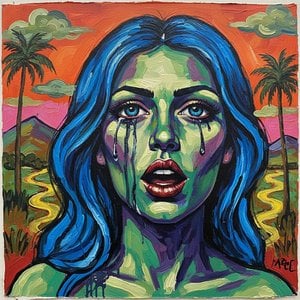
Embark on a journey through the vibrant world of Fauvism. Discover how masters like Henri Matisse revolutionized art through bold colors and raw emotion in this expert-led guide to one of modern art's most powerful movements.


 プレビュー
プレビュー
 プリントを購入
 シェアする
シェアする シェアする
シェアする
 詳細を見る
詳細を見る

 ダウンロード
 似ている作品
 X線調査
X線調査 スライドショー
 詳細を見る
詳細を見る









 ガラスオプションは、110cm未満のサイズでのみご利用いただけます。


