
迅速な制作と多彩な仕上げオプションを備えた、ミュージアムクオリティのジークレーまたはキャンバスプリント。 ( 手描きの絵画を購入 デジタル画像販売へ切り替え)





























作品のオリジナル比率に合わせた、当店の規定サイズからお選びください。

特定のフレームやスペースに合わせて、ご自身でサイズを指定することも可能です。選択されたサイズが元の画像の比率と一致しない場合、作品をトリミングするか、鏡面反射または単色での塗りつぶしによって画像を拡張いたします。制作を開始する前に、ご確認用のデジタルモックアップをお送りいたします。
画面上のプレビューには、実際のトリミングや拡張は反映されませんのでご注意ください。最終的な構図を正確に確認できるのは、モックアップのみとなります。
カスタムサイズも承っておりますが、元の比率を維持するためには、あらかじめ用意されたリストからサイズを選択することをお勧めいたします。

untitled (4904)
複製画のサイズ
Henri Matisse's "Untitled (4904)" isn’t merely a depiction of two figures; it’s an immersion into a world sculpted by color, light, and the quiet intimacy of companionship. Painted in the early 1930s during a period of profound artistic evolution for the artist – a time when he moved away from the frenetic energy of his Fauvist beginnings towards a more considered, decorative style – this work embodies Matisse’s masterful command of form and his unwavering belief in the power of color to evoke emotion. The scene unfolds within a warmly lit interior, suggesting a private moment captured with an artist's discerning eye. A man stands on the left, his posture relaxed yet attentive, while a woman sits gracefully on the right, engaged in conversation – or perhaps simply enjoying the shared space and each other’s presence. The composition is remarkably balanced, avoiding any sense of dramatic tension; instead, it radiates an atmosphere of comfortable familiarity.
Matisse's technique here is characterized by a deliberate simplification of form. The figures are rendered with broad, confident strokes, their features reduced to essential shapes and planes. This reductive approach isn’t about lacking detail, but rather about emphasizing the underlying structure and essence of the subjects. Notice how the man’s form is defined primarily through the dark outline of his clothing, while the woman's silhouette is suggested by the gentle curve of her seated posture. This simplification allows Matisse to focus entirely on the interplay of color – a hallmark of his mature style. The palette is rich and harmonious, dominated by warm earth tones—ochres, browns, and reds—interspersed with splashes of vibrant blues and greens. These colors aren’t used realistically; they are employed expressively, each hue chosen for its ability to convey mood and atmosphere.
Matisse's journey to this refined style began within the broader context of early 20th-century art. He was a key figure in the Fauvist movement, which emerged around 1905 and challenged traditional notions of color representation. Fauves – meaning “wild beasts” – deliberately used intense, non-naturalistic colors to create jarring and emotionally charged effects. While Matisse initially embraced this radical approach, he gradually moved away from its unrestrained exuberance, seeking a more controlled and decorative aesthetic. "Untitled (4904)" represents this evolution perfectly—a sophisticated refinement of Fauvist principles, tempered by a deep understanding of composition and form.
The influence of Japanese prints is also evident in the work’s flattened perspective and emphasis on decorative patterns. Matisse was deeply fascinated by Japanese art, particularly its bold use of color and simplified forms. He often studied these prints closely, analyzing their compositional strategies and color palettes. This admiration for Japanese aesthetics informed his own approach to painting, encouraging him to prioritize visual impact over strict realism.
Beyond the purely formal elements, "Untitled (4904)" invites contemplation about the nature of human connection. The figures are positioned close together, suggesting intimacy and shared experience. The presence of cups, bowls, and bottles – everyday objects—adds a layer of domesticity to the scene, grounding it in the realities of daily life. These seemingly mundane details aren’t merely decorative; they contribute to the painting's overall sense of warmth and comfort.
The muted color palette, combined with the figures’ relaxed postures, evokes a feeling of quiet contentment. There is no overt drama or conflict—only the gentle pleasure of shared companionship. Matisse masterfully uses color to create an atmosphere of serenity and intimacy, inviting the viewer to step into this private moment and experience it alongside the subjects.
"Untitled (4904)" remains a powerfully evocative work of art, demonstrating Matisse’s unparalleled ability to capture the essence of human connection through color and form. WahooArt offers meticulously crafted hand-painted reproductions that faithfully recreate the original's vibrancy and detail. These reproductions are not simply copies; they are artistic interpretations, imbued with the same passion and skill as the original painting.
Whether adorning a living room wall or gracing a study, this reproduction brings Matisse’s vision to life, adding a touch of timeless elegance and emotional resonance to any space. The warm colors and inviting composition create a sense of tranquility and sophistication—a perfect complement to modern or classic interior design schemes. Consider the impact of this piece – it's more than just decoration; it’s an invitation to pause, reflect, and appreciate the beauty of human connection.

1869 - 1954 , フランス
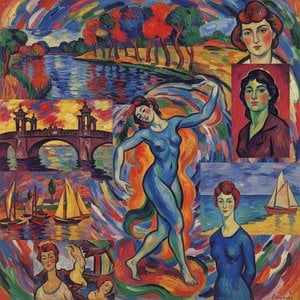
Explore 10 Fauvist masterpieces by Matisse, Derain & Vlaminck that ignited Modern Art! Discover bold colors, expressionist landscapes & the history of this revolutionary movement. Find museum-quality prints at WahooArt.com.

Explore the vibrant revolution of Fauvism. Discover how masters like Henri Matisse liberated color from reality to express pure emotion. An expert guide into the 'Wild Beasts' of modern art history for collectors and enthusiasts.

MoMAの至宝25選:ゴッホ、ピカソ、ウォーホル…名画に秘められた物語を紐解きます。印象派から現代アートまで、美術史を彩る傑作をWahooArtで。複製画やインテリアアートも豊富にご用意。今すぐコレクションをご覧ください。
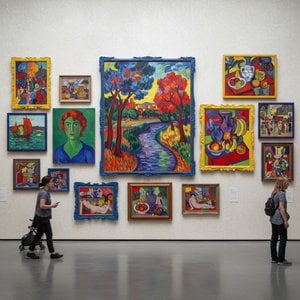
鮮烈な色彩が時代を席巻!フォーヴィズムを代表する10大名作を徹底解剖。マティスら巨匠の技と情熱に触れ、アートの新たな世界を発見。WahooArt.comで至高の美術館級レプリカと洗練されたインテリアアイデアを見つけよう。

アンリ・マティスの傑作25選🎨 色彩と情熱が織りなす世界を旅する。フォーヴィスム代表の巨匠、マティスの絵画の魅力と歴史を紐解きます。WahooArtで高品質なアートプリントや複製画を見つけ、インテリアに芸術的な輝きを✨ Explore the full collection online


 プレビュー
プレビュー
 シェアする
シェアする シェアする
シェアする
 詳細を見る
詳細を見る

 ダウンロード
 似ている作品
 X線調査
X線調査 スライドショー
 統計情報
統計情報

 詳細を見る
詳細を見る









 ガラスオプションは、110cm未満のサイズでのみご利用いただけます。


