
x


迅速な制作と多彩な仕上げオプションを備えた、ミュージアムクオリティのジークレーまたはキャンバスプリント。 ( 手描きの絵画を購入 画像を購入)





























作品のオリジナル比率に合わせた、当店の規定サイズからお選びください。

特定のフレームやスペースに合わせて、ご自身でサイズを指定することも可能です。選択されたサイズが元の画像の比率と一致しない場合、作品をトリミングするか、鏡面反射または単色での塗りつぶしによって画像を拡張いたします。制作を開始する前に、ご確認用のデジタルモックアップをお送りいたします。
画面上のプレビューには、実際のトリミングや拡張は反映されませんのでご注意ください。最終的な構図を正確に確認できるのは、モックアップのみとなります。
カスタムサイズも承っておりますが、元の比率を維持するためには、あらかじめ用意されたリストからサイズを選択することをお勧めいたします。

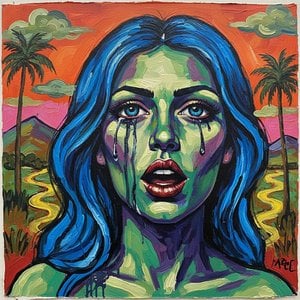
untitled (2727)
複製画のサイズ
Henri Émile Benoît Matisse (1869-1954) stands as a monumental figure in the annals of modern art, an artist whose unwavering devotion to color—a bold departure from prevailing artistic conventions—forever altered the landscape of painting. Born in Le Cateau-Cambrésis, France, his early life was marked by legal aspirations and a brief illness that unexpectedly steered him toward a lifelong passion for visual expression.
Matisse’s artistic journey began serendipitously following an appendicitis attack in 1889. Convalescence provided the catalyst for discovering painting with encouragement from his mother, igniting within him a creative fervor he would never relinquish. Unlike many of his peers pursuing traditional paths, Matisse embraced the bohemian spirit, enrolling at the Académie Julian and later honing his skills at the École Nationale des Beaux-Arts under Gustave Moreau—institutions that fostered an appreciation for both classical influences and burgeoning modernist ideas.
His mastery of color wasn’t merely decorative; it served as a conduit for conveying emotion and capturing the essence of his subjects. Matisse's canvases pulsate with energy, imbued with hues that defy conventional representation—a deliberate strategy designed to bypass rational perception and tap into primal feelings.
“untitled (2727)” exemplifies this revolutionary aesthetic. The painting’s composition centers around a vase brimming with pink and red flowers, meticulously arranged on a tabletop alongside a diminutive sculpture. Matisse's technique – characterized by loose brushstrokes and flattened forms – prioritizes expressive color over realistic depiction. This stylistic choice aligns perfectly with the Fauvist movement’s rejection of illusionism and its embrace of pure pigment as a primary artistic tool.
The artwork’s historical context is crucial to understanding Matisse's significance. Emerging in the early 20th century, Fauvism challenged the established order of Parisian art academies, asserting that color could communicate emotion more effectively than form alone. Matisse’s unwavering commitment to this principle solidified his position as a champion of artistic innovation and profoundly influenced subsequent generations of artists.


1869 - 1954 , フランス
Embark on a journey through the vibrant world of Fauvism. Discover how masters like Henri Matisse revolutionized art through bold colors and raw emotion in this expert-led guide to one of modern art's most powerful movements.


最新の美術ニュース、限定オファー、そしてインテリアのアイデアをいち早くお届けします。
お客様のプロジェクトについてお聞かせください。当社の美術専門家が、お客様に合わせた3つのパーソナライズされた芸術提案をご提供いたします。
あなたにぴったりの3作品を無料で厳選いたします


 プレビュー
プレビュー
 シェアする
シェアする シェアする
シェアする
 詳細を見る
詳細を見る

 ダウンロード
 似ている作品
 X線調査
X線調査 スライドショー
 詳細を見る
詳細を見る









 ガラスオプションは、110cm未満のサイズでのみご利用いただけます。


