

当社のアーティストが、お客様のご希望のサイズと額縁に合わせて、キャンバスに手描きで制作する油彩画です。 ( プリント版に切り替え デジタル画像販売へ切り替え)





























作品のオリジナル比率に合わせた、当店の規定サイズからお選びください。

特定のフレームやスペースに合わせて、ご希望のサイズをご入力いただけます。選択されたサイズが元の画像の比率と異なる場合、アートワークをトリミングするか、手描きで要素を追加して絵画を拡張いたします。デジタルモックアップ を制作し、制作開始前にご確認(承認)をいただきます。
画面上のプレビューは、実際のトリミングや拡張を正確に反映しているものではありません。最終的な構図は、モックアップによってのみ正確にご確認いただけます。
カスタムサイズもご利用いただけますが、元の比率を維持するためには、あらかじめ用意されたリストからサイズを選択することをお勧めいたします。

untitled (2265)
複製画サイズ一覧
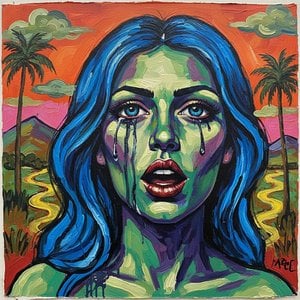
Henri Matisse, a titan amongst Fauvist painters and arguably the most influential artist of his generation, gifted us with “Untitled (2265),” a deceptively simple portrait that belies its profound depth. Painted sometime between 1906 and 1913—a period marked by Matisse’s fervent embrace of Fauvism—this artwork transcends mere representation; it embodies the very essence of Matisse's revolutionary approach to color and form.
Matisse’s decision to eschew traditional shading techniques wasn't arbitrary; it stemmed from a belief that color alone could convey emotion and atmosphere more effectively than grayscale realism. He meticulously studied the work of Impressionists like Monet and Cézanne, recognizing their pioneering use of light and color but ultimately rejecting their adherence to naturalistic observation. Instead, Matisse sought to liberate color from its subservient role in depicting reality, transforming it into an independent element capable of generating feeling.
“Untitled (2265)” emerged during a pivotal moment in art history—the early 20th century—when artists were actively challenging established norms and experimenting with new artistic languages. Matisse’s Fauvist movement represented a bold reaction against the prevailing stylistic trends of the time, signaling a decisive break from Impressionism and Post-Impressionism.
Beyond its formal qualities—color palette, brushstrokes, composition—the painting possesses a subtle symbolic dimension. The woman’s gaze inward suggests a preoccupation with inner thoughts and feelings, reflecting Matisse’s own philosophical concerns about the human condition. The floral wallpaper serves as an additional element of visual richness, subtly reinforcing the theme of beauty and contemplation.


1869 - 1954 , フランス
Embark on a journey through the vibrant world of Fauvism. Discover how masters like Henri Matisse revolutionized art through bold colors and raw emotion in this expert-led guide to one of modern art's most powerful movements.

Explore the vibrant revolution of Fauvism. Discover how masters like Matisse liberated color to redefine modern art. Dive into an expert-led journey through the 'Wild Beasts' movement and learn how to bring this bold, expressive energy into your personal collection.

 設置イメージを確認
 送る
送る シェア
シェア
 詳細情報
詳細情報 ガイドを表示

 画像をダウンロード
 似ている作品
 X線調査
X線調査 スライドショー
 統計情報
統計情報
 続きを読む
続きを読む









 ガラスオプションは、110cm未満のサイズでのみご利用いただけます。


