
当社のアーティストが、お客様のご希望のサイズと額縁に合わせて、キャンバスに手描きで制作する油彩画です。 ( プリント版に切り替え デジタル画像販売へ切り替え)





























作品のオリジナル比率に合わせた、当店の規定サイズからお選びください。

特定のフレームやスペースに合わせて、ご希望のサイズをご入力いただけます。選択されたサイズが元の画像の比率と異なる場合、アートワークをトリミングするか、手描きで要素を追加して絵画を拡張いたします。デジタルモックアップ を制作し、制作開始前にご確認(承認)をいただきます。
画面上のプレビューは、実際のトリミングや拡張を正確に反映しているものではありません。最終的な構図は、モックアップによってのみ正確にご確認いただけます。
カスタムサイズもご利用いただけますが、元の比率を維持するためには、あらかじめ用意されたリストからサイズを選択することをお勧めいたします。

Three Sisters
複製画のサイズ
Henri Matisse’s “Three Sisters,” painted in 1925, isn't merely a depiction of three women seated together; it’s an embodiment of Matisse’s signature style—bold color palettes juxtaposed with fluid, expressive brushstrokes that capture the essence of human connection and quiet contemplation. Created during his prolific period in Antibes, France, this artwork exemplifies the artist’s unwavering commitment to simplifying forms while amplifying emotional resonance.
Matisse firmly established himself as a pioneer of Fauvism—a movement that rejected academic conventions and championed pure color as its primary expressive tool. In “Three Sisters,” Matisse abandons tonal realism, opting instead for vibrant hues – reds, yellows, blues – applied with thick impasto technique. This deliberate layering of pigment creates palpable texture and luminosity, inviting the viewer to immerse themselves in a sensory experience that prioritizes feeling over precise observation.
The arrangement of the figures is deceptively simple yet profoundly impactful. The women are positioned on chairs, creating a sense of groundedness and stability against the backdrop of a muted grey wall. However, Matisse skillfully disrupts this equilibrium with splashes of color—particularly in the scarves worn by the sisters—which inject energy and dynamism into the scene. These bold accents symbolize vitality and warmth, hinting at the bonds of familial affection.
While Matisse drew inspiration from Impressionist predecessors like Monet and Renoir, he decisively moved beyond their focus on capturing fleeting moments of light. He was deeply influenced by Japanese prints—particularly those featuring bold compositions and flattened perspectives—which encouraged him to experiment with unconventional spatial arrangements. Furthermore, the painting reflects Matisse’s fascination with African sculpture, evident in the inclusion of a stylized terracotta figurine positioned prominently in the composition. This element underscores Matisse's belief that art should transcend cultural boundaries and communicate universal emotions.
"Three Sisters" continues to captivate audiences today because it speaks directly to our desire for beauty, tranquility, and human connection. Matisse’s masterful use of color and brushstroke—combined with his subtle exploration of symbolism—creates a timeless masterpiece that transcends stylistic trends. Reproductions offer an opportunity to experience this remarkable artwork's emotional depth and artistic brilliance within the comfort of your own home.


1869 - 1954 , フランス
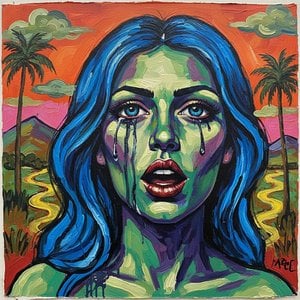
Embark on a journey through the vibrant world of Fauvism. Discover how masters like Henri Matisse revolutionized art through bold colors and raw emotion in this expert-led guide to one of modern art's most powerful movements.

Discover the ethereal beauty of Impressionistic portraiture. Explore how masters capture light and emotion through exquisite hand-painted oil reproductions, perfect for discerning collectors seeking timeless elegance and museum-quality artistry for luxury interiors.

Explore the ethereal beauty of Impressionist landscapes. Discover how masters like Monet captured fleeting light through color and texture, and learn to curate these timeless, luminous masterpieces for your home collection.


 プレビュー
プレビュー
 シェアする
シェアする シェアする
シェアする
 詳細を見る
詳細を見る ガイド
ガイド

 ダウンロード
 似ている作品
 X線調査
X線調査 スライドショー
 統計情報
統計情報
 詳細を見る
詳細を見る









 ガラスオプションは、110cm未満のサイズでのみご利用いただけます。


