

スピーディーな制作と多彩な仕上げオプションが魅力の、ミュージアムクオリティなジークレー・キャンバスプリント。 ( 手描きの複製画を注文する デジタル画像販売へ切り替え)





























作品のオリジナル比率に合わせた、当店の規定サイズからお選びください。

額縁や壁のスペースに合わせて、ご希望の幅と高さを入力してください。プリントはカットすることは可能ですが、元の画像より大きくすることはできないため、異なる比率のサイズを選択された場合は、画像の一部が欠けることになります。印刷を開始する前に、内容を確認していただくためのデジタルモックアップをお送りいたします。このページに表示されている画像は、実際のカット後の状態を示すものではありません。実際の仕上がりはモックアップにてご確認ください。
the moraccans
複製画サイズ一覧
Henri Matisse's “The Moroccans,” painted in 1916 during his transformative sojourn in Morocco, isn’t merely a depiction of a street scene; it’s an immersive experience—a vibrant distillation of color, form, and the artist’s burgeoning fascination with North African culture. This captivating work, currently residing within the esteemed collection of the Museum of Modern Art (MoMA) in New York City, represents a pivotal moment in Matisse's artistic evolution, marking his transition from traditional academic painting towards the bold experimentation that would define his Fauvist period.
The scene unfolds with an almost hallucinatory intensity. A central figure, a man seated on the ground, is rendered in a simplified, almost mask-like fashion—his back turned to the viewer, inviting speculation about his thoughts and experiences. Before him lies a captivating arrangement of oranges, their brilliant hues echoing throughout the composition. These aren’t simply fruits; they become symbolic anchors, radiating warmth and vitality against the cooler tones of the surrounding architecture. Behind this tableau, glimpses of a bustling street reveal a series of buildings, hinting at a vibrant urban life, while a mosque's minaret punctuates the skyline.
“The Moroccans” is firmly rooted in the principles of Cubism, though Matisse’s interpretation diverges significantly from Picasso’s more analytical approach. Rather than dissecting objects into geometric fragments, Matisse employs a flattened perspective and overlapping planes to create an illusion of depth—a sense of being enveloped within the scene. The colors themselves are paramount; they aren't used descriptively but rather expressively, creating a symphony of reds, yellows, greens, and browns that pulsate with energy. This deliberate departure from naturalistic representation is characteristic of Fauvism, where color becomes the primary subject matter.
Matisse’s technique is remarkably loose and gestural. He employs broad brushstrokes and vibrant washes of paint, creating a sense of movement and spontaneity. The surface of the canvas isn't meticulously rendered; instead, it’s alive with texture and visual rhythm. This tactile quality invites the viewer to engage with the painting on a visceral level, experiencing its energy directly.
The choice of subject matter—a Moroccan street scene—was deeply significant for Matisse. Morocco represented an escape from the constraints of European artistic conventions and a gateway to a world brimming with exotic beauty and sensory stimulation. The oranges themselves are laden with symbolism, representing abundance, fertility, and even sacrifice – all potent themes within Moroccan culture. The man seated on the ground could be interpreted as a contemplative figure, lost in thought or perhaps observing the vibrant life unfolding before him. The overall composition suggests a moment of quiet contemplation amidst the bustling activity of the street.
“The Moroccans” transcends its literal subject matter to evoke a powerful emotional response. It’s not simply a representation of a place; it's an evocation of atmosphere—a feeling of warmth, vibrancy, and exotic allure. The painting’s bold colors and dynamic composition create a sense of immediacy, drawing the viewer into the scene and inviting them to lose themselves in its sensory richness. It is a testament to Matisse’s ability to capture not just what he saw, but also what he *felt*—a profound connection to the world around him.
Today, “The Moroccans” stands as a cornerstone of modern art, demonstrating Matisse's revolutionary approach to color and form. Reproductions offer a chance to bring this captivating vision into your own space, injecting a dose of vibrant energy and exotic allure into any room.
マティス作「the moraccans」は、moroccan scene, color palette, figures, terrace, orange, patterned surface, composition, matisseを描き出し、Calmな情緒を湛えています。主題と雰囲気が相まって、作品の物語を形作っています。
マティス作「the moraccans」に描かれているテーマには、moroccan scene, color palette, figures, terrace, orange, patterned surface, composition, matisseなどがあります。これらが合わさることで、本作の主題を構成しています。
マティス作「the moraccans」はLandscape形式です。この形式は、構図の比率を表しています。


1869 - 1954 , フランス
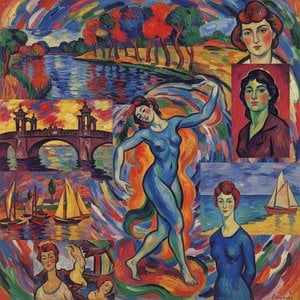
Explore 10 Fauvist masterpieces by Matisse, Derain & Vlaminck that ignited Modern Art! Discover bold colors, expressionist landscapes & the history of this revolutionary movement. Find museum-quality prints at WahooArt.com.

Explore the vibrant revolution of Fauvism. Discover how masters like Henri Matisse liberated color from reality to express pure emotion. An expert guide into the 'Wild Beasts' of modern art history for collectors and enthusiasts.
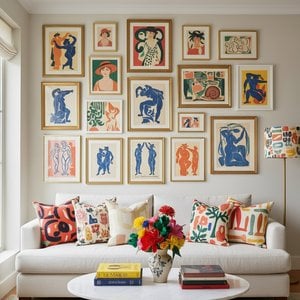
アンリ・マティスの傑作25選🎨 色彩と情熱が織りなす世界を旅する。フォーヴィスム代表の巨匠、マティスの絵画の魅力と歴史を紐解きます。WahooArtで高品質なアートプリントや複製画を見つけ、インテリアに芸術的な輝きを✨ Explore the full collection online
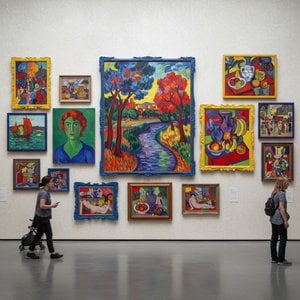
鮮烈な色彩が時代を席巻!フォーヴィズムを代表する10大名作を徹底解剖。マティスら巨匠の技と情熱に触れ、アートの新たな世界を発見。WahooArt.comで至高の美術館級レプリカと洗練されたインテリアアイデアを見つけよう。
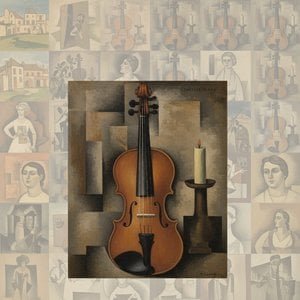
ジョルジュ・ブラックの傑作25選。キュビスムを代表する画家、その革新的な色彩と技法に迫ります。名画から知られざる逸品まで、美術史に残る作品群をWahooArt.comで鑑賞。お部屋を彩るアートプリントも多数ご用意。今すぐオンラインでコレクションをご覧ください。

 設置イメージを確認
 送る
送る シェア
シェア
 詳細情報
詳細情報 ガイドを表示

 画像をダウンロード
 似ている作品
 X線調査
X線調査 スライドショー
 統計情報
統計情報

 続きを読む
続きを読む









 ガラスオプションは、110cm未満のサイズでのみご利用いただけます。


