
 Acrylic On CanvasWallArtFauvism
 1905Modern
 55.0 x 46.0 cm
当社のアーティストが、お客様のご希望のサイズと額縁に合わせて、キャンバスに手描きで制作する油彩画です。 ( プリント版に切り替え デジタル画像販売へ切り替え)





























作品のオリジナル比率に合わせた、当店の規定サイズからお選びください。

特定のフレームやスペースに合わせて、ご希望のサイズをご入力いただけます。選択されたサイズが元の画像の比率と異なる場合、アートワークをトリミングするか、手描きで要素を追加して絵画を拡張いたします。デジタルモックアップ を制作し、制作開始前にご確認(承認)をいただきます。
画面上のプレビューは、実際のトリミングや拡張を正確に反映しているものではありません。最終的な構図は、モックアップによってのみ正確にご確認いただけます。
カスタムサイズもご利用いただけますが、元の比率を維持するためには、あらかじめ用意されたリストからサイズを選択することをお勧めいたします。

The Gypsy
複製画のサイズ
Henri Matisse’s “The Gypsy,” painted in 1905, stands as an emblem of Fauvism—a movement that irrevocably altered the course of modern art. More than just a depiction of a woman resting peacefully under the desert moon, it's a profound exploration of color and emotion, encapsulating the spirit of its time and cementing Matisse’s place among the pioneers of artistic innovation.
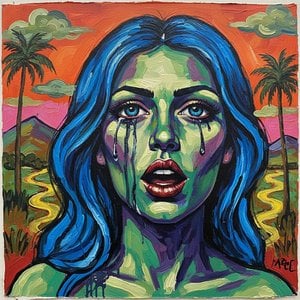
The painting depicts a woman lying on her side, eyes closed in repose. Her serene expression is accentuated by the subtle interplay of light and shadow, guiding the viewer’s gaze towards her face – a focal point brimming with tranquility. A necklace adorns her neck, adding a detail that subtly reinforces the theme of ornamentation and beauty. In the background, a single red flower punctuates the landscape, amplifying the color palette and injecting an element of symbolic richness into the scene.
Beyond its aesthetic brilliance, “The Gypsy” resonates with deeper meanings rooted in Matisse’s personal beliefs and artistic vision. Influenced by Symbolist ideas—particularly those exploring dreams and subconsciousness—Matisse sought to capture not merely what he saw but what he felt. The woman embodies vulnerability and contemplation, inviting viewers to contemplate themes of rest, spirituality, and the transformative power of imagination.
"The Gypsy" continues to captivate audiences today with its audacious color palette and evocative atmosphere. It serves as a testament to Matisse's unwavering commitment to artistic experimentation and his profound ability to translate emotion into visual form—a timeless masterpiece that embodies the spirit of Fauvist innovation.


1869 - 1954 , フランス
Embark on a journey through the vibrant world of Fauvism. Discover how masters like Henri Matisse revolutionized art through bold colors and raw emotion in this expert-led guide to one of modern art's most powerful movements.

Explore the vibrant world of Fauvism with our expert guide. Discover how Matisse and Derain revolutionized art through bold colors and expressive strokes. Perfect for classic art enthusiasts seeking to deepen their passion for modern masterpieces.

Explore the vibrant revolution of Fauvism. Discover how masters like Matisse liberated color to redefine modern art. Dive into an expert-led journey through the 'Wild Beasts' movement and learn how to bring this bold, expressive energy into your personal collection.


 プレビュー
プレビュー
 シェアする
シェアする シェアする
シェアする
 詳細を見る
詳細を見る

 ダウンロード
 似ている作品
 X線調査
X線調査 スライドショー
 統計情報
統計情報 詳細を見る
詳細を見る









 ガラスオプションは、110cm未満のサイズでのみご利用いただけます。


