
当社のアーティストが、お客様のご希望のサイズと額縁に合わせて、キャンバスに手描きで制作する油彩画です。 ( プリント版に切り替え デジタル画像販売へ切り替え)





























作品のオリジナル比率に合わせた、当店の規定サイズからお選びください。

特定のフレームやスペースに合わせて、ご希望のサイズをご入力いただけます。選択されたサイズが元の画像の比率と異なる場合、アートワークをトリミングするか、手描きで要素を追加して絵画を拡張いたします。デジタルモックアップ を制作し、制作開始前にご確認(承認)をいただきます。
画面上のプレビューは、実際のトリミングや拡張を正確に反映しているものではありません。最終的な構図は、モックアップによってのみ正確にご確認いただけます。
カスタムサイズもご利用いただけますが、元の比率を維持するためには、あらかじめ用意されたリストからサイズを選択することをお勧めいたします。

Still Life with Pineapples
複製画のサイズ
Henri Matisse, a titan of Fauvist art and arguably the most influential painter of the 20th century, possessed an unwavering conviction that color could convey emotion as powerfully as form. His canvases pulsate with vibrancy—a deliberate rejection of Impressionism's subtle gradations—and ‘Still Life with Pineapples,’ created in 1925, exemplifies this philosophy perfectly. This deceptively simple composition transcends mere representation; it’s an invitation to experience a moment frozen in time, saturated with feeling.
The painting’s historical context is crucial to understanding its significance. Produced during Matisse's prolific period following his return from Morocco—where he was profoundly influenced by Berber art—the artwork reflects a fascination with vibrant color palettes and simplified forms. It aligns seamlessly with the broader artistic movement of Fauvism, which sought to liberate painting from academic constraints and prioritize emotional expression.
Beyond its aesthetic qualities, ‘Still Life with Pineapples’ carries symbolic weight. The pineapple itself represents optimism and good fortune—a visual affirmation of vitality and joy. Coupled with the fruits—symbols of nourishment and seasonal bounty—the composition speaks to themes of celebration and appreciation for the natural world. Matisse's intention wasn’t simply to depict objects; he aimed to evoke a feeling, capturing a fleeting moment of serene beauty.
Ultimately, ‘Still Life with Pineapples’ stands as a testament to Matisse’s artistic vision—a bold declaration that color could transform observation into experience. Its enduring appeal lies in its ability to transport viewers back to a time when art prioritized emotion and spontaneity, cementing its place as one of the most captivating still life paintings of the era.


1869 - 1954 , フランス
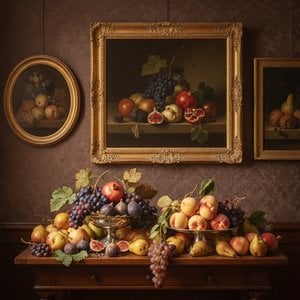
Discover the profound beauty of fruit still life paintings. Explore the rich symbolism, Baroque mastery, and timeless allure of nature's bounty through an art-historical lens, perfect for collectors and enthusiasts of classical fine art.

Explore the profound beauty of fruit arrangement masterpieces. From Dutch Golden Age opulence to Baroque chiaroscuro, discover the art history, symbolism, and timeless elegance of classical still life paintings for the discerning collector.

Explore the vibrant world of Fauvism with our expert guide. Discover how Matisse and Derain revolutionized art through bold colors and expressive strokes. Perfect for classic art enthusiasts seeking to deepen their passion for modern masterpieces.

Embark on a journey through the vibrant world of Fauvism. Discover how masters like Henri Matisse revolutionized art through bold colors and raw emotion in this expert-led guide to one of modern art's most powerful movements.


 プレビュー
プレビュー
 シェアする
シェアする シェアする
シェアする
 詳細を見る
詳細を見る ガイド
ガイド

 ダウンロード
 似ている作品
 X線調査
X線調査 スライドショー
 統計情報
統計情報
 詳細を見る
詳細を見る









 ガラスオプションは、110cm未満のサイズでのみご利用いただけます。


