

スピーディーな制作と多彩な仕上げオプションが魅力の、ミュージアムクオリティなジークレー・キャンバスプリント。 ( 手描きの複製画を注文する デジタル画像販売へ切り替え)





























作品のオリジナル比率に合わせた、当店の規定サイズからお選びください。

特定のフレームやスペースに合わせて、ご自身でサイズを指定することも可能です。選択されたサイズが元の画像の比率と一致しない場合、作品をトリミングするか、鏡面反射または単色での塗りつぶしによって画像を拡張いたします。制作を開始する前に、ご確認用のデジタルモックアップをお送りいたします。
画面上のプレビューには、実際のトリミングや拡張は反映されませんのでご注意ください。最終的な構図を正確に確認できるのは、モックアップのみとなります。
カスタムサイズも承っておりますが、元の比率を維持するためには、あらかじめ用意されたリストからサイズを選択することをお勧めいたします。

Still Life
複製画サイズ一覧
Henri Matisse’s “Still Life with Blue Jug” (1905), housed at The San Francisco Museum of Modern Art, stands as a cornerstone of Fauvist art—a movement that irrevocably altered the course of painting in the early 20th century. More than just an arrangement of fruit and earthenware; it embodies Matisse’s revolutionary approach to representation, prioritizing expressive color over meticulous detail.
The deliberate use of color is paramount to understanding “Still Life.” Matisse employed a palette dominated by intense blues, reds, and yellows – colors chosen not for their optical accuracy but for their ability to convey mood and emotion. The vibrant hues pulsate with energy, creating an immersive experience for the viewer.
Beyond its aesthetic qualities, the painting speaks to broader themes of beauty and contemplation. Matisse’s masterful simplification invites viewers to focus on the fundamental elements of form and color—a deliberate rejection of representational illusion. It's a testament to his belief that art should stimulate the senses and evoke feelings rather than merely mirroring reality.
“Still Life” continues to resonate today as a symbol of artistic liberation and a celebration of color's transformative power. Its enduring appeal lies in its ability to transport us back to a pivotal moment in art history—a time when artists dared to break free from tradition and forge their own path toward expressive innovation.

1869 - 1954 , フランス
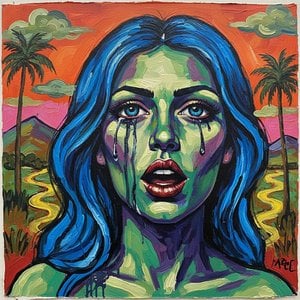
Embark on a journey through the vibrant world of Fauvism. Discover how masters like Henri Matisse revolutionized art through bold colors and raw emotion in this expert-led guide to one of modern art's most powerful movements.

Explore the profound beauty of fruit arrangement masterpieces. From Dutch Golden Age opulence to Baroque chiaroscuro, discover the art history, symbolism, and timeless elegance of classical still life paintings for the discerning collector.

 設置イメージを確認
 送る
送る シェア
シェア
 詳細情報
詳細情報 ガイドを表示

 画像をダウンロード
 似ている作品
 X線調査
X線調査 スライドショー
 統計情報
統計情報
 続きを読む
続きを読む









 ガラスオプションは、110cm未満のサイズでのみご利用いただけます。


