

 Oil On CanvasWallArtFauvism
 1927Modern
 54.0 x 65.0 cm
スピーディーな制作と多彩な仕上げオプションが魅力の、ミュージアムクオリティなジークレー・キャンバスプリント。 ( 手描きの複製画を注文する デジタル画像販売へ切り替え)





























作品のオリジナル比率に合わせた、当店の規定サイズからお選びください。

特定のフレームやスペースに合わせて、ご自身でサイズを指定することも可能です。選択されたサイズが元の画像の比率と一致しない場合、作品をトリミングするか、鏡面反射または単色での塗りつぶしによって画像を拡張いたします。制作を開始する前に、ご確認用のデジタルモックアップをお送りいたします。
画面上のプレビューには、実際のトリミングや拡張は反映されませんのでご注意ください。最終的な構図を正確に確認できるのは、モックアップのみとなります。
カスタムサイズも承っておりますが、元の比率を維持するためには、あらかじめ用意されたリストからサイズを選択することをお勧めいたします。

Odalisque in grey culottes
複製画サイズ一覧
Henri Matisse's 1927 painting, “Odalisque in grey culottes,” is more than just a depiction of the reclining female form; it’s a vibrant exploration of color, line, and the very essence of visual pleasure. Housed within the esteemed Musée de l'Orangerie in Paris, this oil on canvas (measuring 54 x 65 cm) represents a pivotal moment in Matisse’s artistic evolution, showcasing his masterful ability to synthesize influences while forging a uniquely personal aesthetic language. The work doesn’t shout for attention; rather, it invites quiet contemplation, drawing the viewer into a world of luxurious textures and harmonious dissonance.
Matisse's choice of subject matter – the odalisque – is steeped in artistic tradition. Historically, these depictions of reclining women within Ottoman harems were often laden with exoticism and overt sensuality. However, Matisse transcends mere imitation. While acknowledging this historical context, he strips away much of the narrative weight, focusing instead on the aesthetic qualities of form and color. The figure isn’t presented as an object of desire but rather as a study in shapes and tones. This approach is deeply rooted in his earlier involvement with Fauvism – a movement characterized by its radical use of intense, non-naturalistic color. Though Matisse moved beyond the unrestrained palette of his Fauvist period, the emphasis on color as a primary means of conveying emotion remains powerfully present. Here, the colors are bold yet harmoniously integrated, creating a vibrant interplay that dances across the canvas. The flattened planes of color, rather than traditional modeling, define the form, emphasizing its two-dimensionality and contributing to the painting’s overall sense of decorative elegance.
What truly sets “Odalisque in grey culottes” apart is Matisse's extraordinary use of pattern and composition. The background isn’t a realistic depiction of an interior but rather a tapestry-like arrangement of blues, greens, yellows, and reds. These colors don’t blend seamlessly; they exist as distinct areas, contributing to a sense of vibrancy and rhythmic movement. Bold outlines further emphasize the shapes and forms within the composition, creating a visual structure that is both dynamic and serene. The odalisque herself, draped in grey culottes, becomes part of this overall pattern, her body echoing the curves and angles of the surrounding décor. This deliberate simplification and abstraction prioritize visual harmony over strict representational accuracy, inviting viewers to experience pure visual pleasure. The inclusion of seemingly mundane objects – a vase, bowls, bottles – adds a touch of domesticity, grounding the exotic subject matter in a relatable reality.
“Odalisque in grey culottes” stands as a testament to Matisse's enduring legacy. It exemplifies his ability to distill complex emotions and experiences into pure visual form, solidifying his place as one of the most important figures in modern art. The painting resonates with other works from his later period, such as “A Nude Lying on her Back,” “Odalisque, Blue Harmony,” and “Reclining Nude, back,” all sharing a similar emphasis on simplified forms, vibrant colors, and a sense of relaxed sensuality. More than just a beautiful image, this artwork is an invitation to slow down, to appreciate the interplay of color and form, and to experience the joy of seeing – a hallmark of Matisse’s artistic philosophy.


1869 - 1954 , フランス
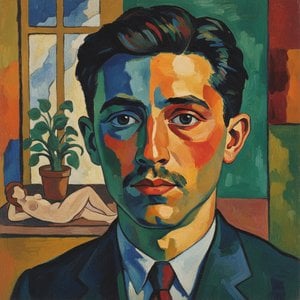
Explore the revolutionary art of Henri Matisse! Discover his bold use of color, Fauvist origins, and lasting impact on modern painting. A comprehensive guide for art enthusiasts.
アンリ・マティスの傑作25選🎨 色彩と情熱が織りなす世界を旅する。フォーヴィスム代表の巨匠、マティスの絵画の魅力と歴史を紐解きます。WahooArtで高品質なアートプリントや複製画を見つけ、インテリアに芸術的な輝きを✨ Explore the full collection online

Explore the revolutionary Fauvism movement & Henri Matisse's bold use of color! Discover key characteristics, iconic artworks, and its lasting impact on modern art history with WahooArt.
鮮烈な色彩が時代を席巻!フォーヴィズムを代表する10大名作を徹底解剖。マティスら巨匠の技と情熱に触れ、アートの新たな世界を発見。WahooArt.comで至高の美術館級レプリカと洗練されたインテリアアイデアを見つけよう。
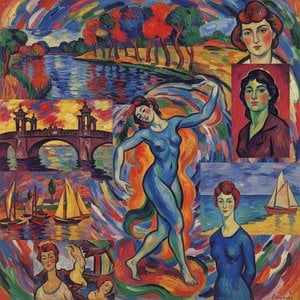
Explore 10 Fauvist masterpieces by Matisse, Derain & Vlaminck that ignited Modern Art! Discover bold colors, expressionist landscapes & the history of this revolutionary movement. Find museum-quality prints at WahooArt.com.

 設置イメージを確認
 送る
送る シェア
シェア
 詳細情報
詳細情報 ガイドを表示

 画像をダウンロード
 似ている作品
 X線調査
X線調査 スライドショー
 統計情報
統計情報 続きを読む
続きを読む









 ガラスオプションは、110cm未満のサイズでのみご利用いただけます。


