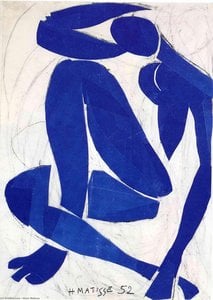
スピーディーな制作と多彩な仕上げオプションが魅力の、ミュージアムクオリティなジークレー・キャンバスプリント。 ( 手描きの複製画を注文する デジタル画像販売へ切り替え)





























作品のオリジナル比率に合わせた、当店の規定サイズからお選びください。

額縁や壁のスペースに合わせて、ご希望の幅と高さを入力してください。プリントはカットすることは可能ですが、元の画像より大きくすることはできないため、異なる比率のサイズを選択された場合は、画像の一部が欠けることになります。印刷を開始する前に、内容を確認していただくためのデジタルモックアップをお送りいたします。このページに表示されている画像は、実際のカット後の状態を示すものではありません。実際の仕上がりはモックアップにてご確認ください。
Nude
複製画サイズ一覧
Henri Matisse's "Nude," a captivating work from around 1909, offers a glimpse into the artist’s evolving exploration of form and color during his pivotal Fauvist period. This painting isn’t merely a depiction of a reclining figure; it’s an invitation to pause, to consider the interplay between interior emotion and external observation. The scene unfolds within a simple yet evocative domestic setting – a room punctuated by a window framing a distant ocean vista and suggestive of a life lived in relative tranquility. The woman herself is presented with a remarkable degree of abstraction, her form rendered through bold, flattened planes of color rather than meticulous detail. This deliberate simplification speaks to Matisse’s desire to capture the essence of his subject – not just its appearance, but its feeling—a core tenet of Fauvist philosophy.
Matisse's use of color is undeniably central to the painting’s impact. Departing from traditional representational techniques, he employs a vibrant, almost jarring palette – blues, pinks, yellows, and greens—to create an intensely subjective experience for the viewer. These aren’t colors that simply describe reality; they are imbued with emotional weight, each hue radiating its own distinct energy. The application of paint itself is loose and expressive, characterized by broad brushstrokes and a disregard for precise lines. This technique, characteristic of Fauvism, prioritizes visual sensation over realistic depiction, creating an immediate and powerful impact on the eye. The surfboard, a seemingly incongruous element within this intimate scene, further emphasizes this departure from naturalism, hinting at exotic locales and perhaps even Matisse’s own fascination with travel and the allure of the unknown.
The pose of the nude figure is particularly significant. She appears to be gazing out the window, a gesture that invites us to share in her contemplation. The slight turn of her head and the subtle curve of her breast suggest a quiet intimacy—a moment of private reflection. Some art historians interpret this posture as representing a desire for escape or a yearning for something beyond the confines of the room. The presence of the two chairs, one closer to the figure and another further away, adds to this sense of spatial ambiguity and invites us to consider the relationship between the subject, her surroundings, and perhaps even the viewer. The potted plant introduces an element of nature, grounding the scene while simultaneously reinforcing the theme of domesticity.
“Nude” is a pivotal work in Matisse's artistic development. Following his recovery from illness, he embraced color with unprecedented fervor, rejecting academic conventions and forging a new path for modern art. This period saw him experimenting with various techniques – including collage (as evidenced by the “Blue Nudes” series) – and pushing the boundaries of representation. Matisse’s exploration of line and form during this time was deeply influenced by Post-Impressionist artists like Paul Gauguin, whose use of flattened planes and symbolic color had paved the way for Matisse's radical approach. The painting reflects a shift towards greater abstraction while retaining a strong connection to the human figure – a hallmark of Matisse’s enduring legacy. Works such as “Pink Nude, or Seated Nude” from the same year demonstrate this evolution beautifully.
WahooArt offers meticulously crafted hand-painted reproductions of Henri Matisse's "Nude," allowing you to bring this iconic masterpiece into your home and experience its vibrant colors and evocative atmosphere firsthand. Explore our collection today and discover a truly exceptional piece of art history.


1869 - 1954 , フランス

Explore the vibrant revolution of Fauvism. Discover how masters like Matisse liberated color to redefine modern art. Dive into an expert-led journey through the 'Wild Beasts' movement and learn how to bring this bold, expressive energy into your personal collection.
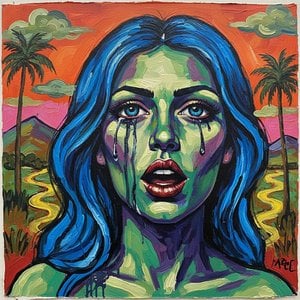
Embark on a journey through the vibrant world of Fauvism. Discover how masters like Henri Matisse revolutionized art through bold colors and raw emotion in this expert-led guide to one of modern art's most powerful movements.

Explore the vibrant world of Fauvism with our expert guide. Discover how Matisse and Derain revolutionized art through bold colors and expressive strokes. Perfect for classic art enthusiasts seeking to deepen their passion for modern masterpieces.

 設置イメージを確認
 送る
送る シェア
シェア
 詳細情報
詳細情報 ガイドを表示

 画像をダウンロード
 似ている作品
 X線調査
X線調査 スライドショー
 Q&A
Q&A 統計情報
統計情報
 続きを読む
続きを読む









 ガラスオプションは、110cm未満のサイズでのみご利用いただけます。