
 キャンバスにアクリル絵具ウォールアートFauvism
 1907モダン
 73.0 x 60.0 cm
迅速な制作と多彩な仕上げオプションを備えた、ミュージアムクオリティのジークレーまたはキャンバスプリント。 ( 手描きの絵画を購入 デジタル画像販売へ切り替え)





























作品のオリジナル比率に合わせた、当店の規定サイズからお選びください。

特定のフレームやスペースに合わせて、ご自身でサイズを指定することも可能です。選択されたサイズが元の画像の比率と一致しない場合、作品をトリミングするか、鏡面反射または単色での塗りつぶしによって画像を拡張いたします。制作を開始する前に、ご確認用のデジタルモックアップをお送りいたします。
画面上のプレビューには、実際のトリミングや拡張は反映されませんのでご注意ください。最終的な構図を正確に確認できるのは、モックアップのみとなります。
カスタムサイズも承っておりますが、元の比率を維持するためには、あらかじめ用意されたリストからサイズを選択することをお勧めいたします。

Music (Sketch)
複製画のサイズ
Henri Matisse, a titan of modern art, remains an artist whose influence continues to resonate across generations. “Music (Sketch),” created in 1907 during his formative years as a Fauvist painter, offers a glimpse into the revolutionary aesthetic he championed – a bold departure from traditional representation that prioritized color and expressive form above meticulous detail.
Understanding Fauvism: The movement’s genesis can be traced back to Louis Vauxcelles' scathing critique of Matisse’s canvases at the Salon d’Automne in Paris. Vauxcelles famously declared them “fauves,” meaning “wild beasts,” capturing the essence of Fauvist art perfectly – a deliberate rejection of academic conventions and an embrace of unrestrained chromatic intensity.
"Music (Sketch)" is a deceptively simple painting measuring 73 x 60 cm. At first glance, it presents four nude figures arranged dynamically across the canvas—a violinist dominates the left side, while others occupy positions behind him. The artist’s masterful use of charcoal and oil paint creates an illusion of movement, mirroring the rhythm and energy inherent in musical performance.
Technique: Matisse employed loose brushstrokes and a flattened perspective to achieve this effect, characteristic of his Fauvist style. Color is applied boldly and deliberately, eschewing subtle gradations in favor of saturated hues that pulsate with vitality. The palette leans heavily on reds, yellows, and blues—colors chosen not for their literal depiction but for their emotional impact.
The figures themselves are imbued with symbolic significance. They represent humanity’s engagement with art and music – a celebration of creativity and beauty. The violinist embodies musical expression, while the postures of the other subjects convey contemplation and repose. Matisse's intention wasn't merely to portray a scene; he sought to evoke feelings of joy and liberation.
Historical Context: Created during a period of artistic experimentation and intellectual ferment, “Music (Sketch)” reflects the broader cultural anxieties surrounding modernity. It stands as a testament to Matisse’s unwavering conviction in the transformative power of color—a belief that would solidify his legacy as one of the most influential artists of the 20th century.
Matisse’s artistic explorations extended far beyond “Music (Sketch).” Consider his masterful depictions of Odalisque and Spanish Still Life, showcasing similar stylistic hallmarks. Furthermore, delve into his Expressionist work "Red Interior. Still Life on a Blue Table" to appreciate the breadth of his creative vision.
To experience Matisse’s artistic brilliance firsthand, explore high-quality reproductions available at WahooArt.com and discover how this iconic sketch continues to inspire collectors and designers alike.


1869 - 1954 , フランス
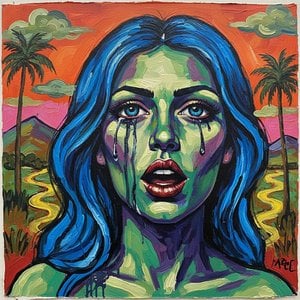
Embark on a journey through the vibrant world of Fauvism. Discover how masters like Henri Matisse revolutionized art through bold colors and raw emotion in this expert-led guide to one of modern art's most powerful movements.

Explore the vibrant world of Fauvism with our expert guide. Discover how Matisse and Derain revolutionized art through bold colors and expressive strokes. Perfect for classic art enthusiasts seeking to deepen their passion for modern masterpieces.

Explore the profound emotional depth of Expressionist painting. From the bold colors of Emil Nolde to the distorted forms of Kirchner, discover how this movement redefined art through raw feeling and visceral texture in our expert guide to art history.

Explore the vibrant revolution of Fauvism. Discover how masters like Matisse liberated color to redefine modern art. Dive into an expert-led journey through the 'Wild Beasts' movement and learn how to bring this bold, expressive energy into your personal collection.


 プレビュー
プレビュー
 シェアする
シェアする シェアする
シェアする
 詳細を見る
詳細を見る ガイド
ガイド

 ダウンロード
 似ている作品
 X線調査
X線調査 スライドショー
 統計情報
統計情報 詳細を見る
詳細を見る









 ガラスオプションは、110cm未満のサイズでのみご利用いただけます。


