
当社のアーティストが、お客様のご希望のサイズと額縁に合わせて、キャンバスに手描きで制作する油彩画です。 ( プリント版に切り替え デジタル画像販売へ切り替え)





























作品のオリジナル比率に合わせた、当店の規定サイズからお選びください。

特定のフレームやスペースに合わせて、ご希望のサイズをご入力いただけます。選択されたサイズが元の画像の比率と異なる場合、アートワークをトリミングするか、手描きで要素を追加して絵画を拡張いたします。デジタルモックアップ を制作し、制作開始前にご確認(承認)をいただきます。
画面上のプレビューは、実際のトリミングや拡張を正確に反映しているものではありません。最終的な構図は、モックアップによってのみ正確にご確認いただけます。
カスタムサイズもご利用いただけますが、元の比率を維持するためには、あらかじめ用意されたリストからサイズを選択することをお勧めいたします。

L'Arbre de Vie
複製画のサイズ
Henri Matisse’s “L’Arbre de Vie,” painted in 1949, stands as a testament to the artist’s unwavering commitment to expressive color and simplified form—principles that cemented his place among the titans of modern art. This seemingly unassuming depiction of a tree transcends mere botanical representation; it embodies a profound meditation on life itself, reflecting Matisse's deeply held beliefs about spirituality and artistic liberation.
Born in Le Cateau-Cambrésis in 1869, Henri Émile Benoît Matisse’s journey to artistic prominence began unexpectedly. Initially pursuing law studies in Paris after secondary school, a debilitating appendicitis attack forced him to reconsider his ambitions—a fortuitous circumstance that propelled him toward the transformative embrace of painting.
Initially drawn to Impressionism and Neo-Impressionism, Matisse swiftly abandoned these stylistic constraints, forging ahead with Fauvist experimentation. Influenced by artists like Georges Seurat and Paul Cézanne, he championed a radical departure from academic conventions, prioritizing color above all else. This bold decision—to prioritize hue over meticulous detail—became the cornerstone of his artistic vision.
The historical context surrounding “L’Arbre de Vie” is inextricably linked to Matisse's engagement with Jewish mysticism—Kabbalah—which profoundly shaped his artistic philosophy. Seeking solace amidst the anxieties of wartime Europe, he envisioned the tree as a symbol of resilience and regeneration—a visual embodiment of spiritual renewal.
More than just an aesthetically pleasing composition, “L’Arbre de Vie” resonates with viewers on an emotional level. Its harmonious blend of color and form invites contemplation, prompting reflection on themes of growth, harmony, and the enduring beauty of nature. It exemplifies Matisse's unwavering belief that art could serve as a conduit for spiritual experience—a legacy that continues to inspire artists and collectors alike.
Consider commissioning a meticulously crafted reproduction of this iconic artwork – a beautiful addition to any interior space and a captivating reminder of Matisse’s enduring artistic vision. Explore similar masterpieces by Toulouse-Lautrec and delve into the rich tapestry of Symbolist art at Musée Nissim de Camondo for further inspiration.


1869 - 1954 , フランス

Explore the vibrant revolution of Fauvism. Discover how masters like Matisse liberated color to redefine modern art. Dive into an expert-led journey through the 'Wild Beasts' movement and learn how to bring this bold, expressive energy into your personal collection.
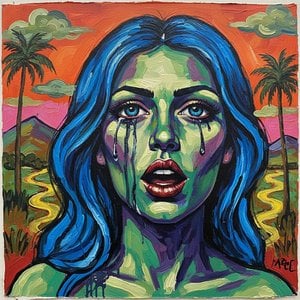
Embark on a journey through the vibrant world of Fauvism. Discover how masters like Henri Matisse revolutionized art through bold colors and raw emotion in this expert-led guide to one of modern art's most powerful movements.

Explore the vibrant world of Fauvism with our expert guide. Discover how Matisse and Derain revolutionized art through bold colors and expressive strokes. Perfect for classic art enthusiasts seeking to deepen their passion for modern masterpieces.


 プレビュー
プレビュー
 シェアする
シェアする シェアする
シェアする
 詳細を見る
詳細を見る ガイド
ガイド

 ダウンロード
 似ている作品
 X線調査
X線調査 スライドショー
 統計情報
統計情報

 詳細を見る
詳細を見る









 ガラスオプションは、110cm未満のサイズでのみご利用いただけます。


