
 Oil On CanvasWallArtFauvism
 1900Modern
 73.0 x 55.0 cm
迅速な制作と多彩な仕上げオプションを備えた、ミュージアムクオリティのジークレーまたはキャンバスプリント。 ( 手描きの絵画を購入 デジタル画像販売へ切り替え)





























作品のオリジナル比率に合わせた、当店の規定サイズからお選びください。

特定のフレームやスペースに合わせて、ご自身でサイズを指定することも可能です。選択されたサイズが元の画像の比率と一致しない場合、作品をトリミングするか、鏡面反射または単色での塗りつぶしによって画像を拡張いたします。制作を開始する前に、ご確認用のデジタルモックアップをお送りいたします。
画面上のプレビューには、実際のトリミングや拡張は反映されませんのでご注意ください。最終的な構図を正確に確認できるのは、モックアップのみとなります。
カスタムサイズも承っておりますが、元の比率を維持するためには、あらかじめ用意されたリストからサイズを選択することをお勧めいたします。

Interior With Harmonium
複製画のサイズ
Henri Matisse’s "Interior With Harmonium" (1900) is more than just a depiction of a domestic scene; it's a vibrant manifesto of early 20th-century modern art. Housed within the esteemed Matisse Museum in Nice, France, this painting exemplifies Matisse's pioneering role in the Fauvist movement, characterized by its bold use of color and simplified forms. The artwork invites viewers into a cozy interior space where music and everyday life intertwine, offering a captivating glimpse into the artist’s evolving style.
The painting centers around a harmonium, an instrument that adds a touch of elegance and musicality to the scene. Two delicate pink flowers adorn its surface, introducing a playful element to the composition. Strategically placed chairs flank the room—one near the left side and another towards the right—suggesting a space designed for conversation and enjoyment. A modern addition, a cell phone resting atop the harmonium, provides an intriguing juxtaposition of historical context and contemporary life, subtly reminding us that this scene exists across time.
The composition is deliberately simplified, eschewing traditional perspective in favor of flattened planes and bold color relationships. This approach emphasizes the decorative qualities of the painting, transforming a commonplace interior into a visually striking work of art. The overall effect is one of tranquility and inviting warmth, drawing the viewer into the heart of Matisse’s artistic vision.
"Interior With Harmonium" stands as a prime example of Fauvism, a movement that emerged in the early 1900s and championed bold, non-naturalistic colors. Matisse, alongside André Derain, was a leading figure in this revolutionary artistic shift. The term "Fauves," meaning “wild beasts,” was initially used derisively to describe their work due to its unconventional use of color.
In this painting, Matisse employs vibrant hues—pinks, greens, and yellows—not to accurately represent the colors of the objects but to express emotion and create a visual impact. The brushstrokes are loose and expressive, further contributing to the painting's dynamic energy. This deliberate departure from traditional artistic conventions marked a significant turning point in art history, paving the way for new forms of expression.
Created in 1900, "Interior With Harmonium" reflects a period of rapid social and cultural change. The rise of industrialization and urbanization was transforming European society, and artists were seeking new ways to capture the essence of modern life. Matisse’s painting offers a respite from this fast-paced world, presenting an intimate scene of domestic tranquility.
The emotional impact of the artwork lies in its ability to evoke feelings of warmth, comfort, and serenity. The harmonious arrangement of colors and forms creates a sense of visual balance, while the presence of the harmonium suggests a space filled with music and joy. "Interior With Harmonium" is not merely a depiction of a room; it's an invitation to experience a moment of quiet contemplation and artistic beauty.


1869 - 1954 , フランス
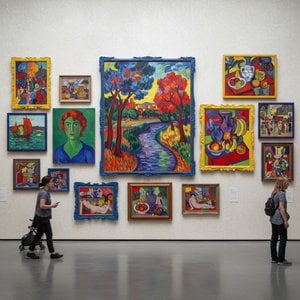
鮮烈な色彩が時代を席巻!フォーヴィズムを代表する10大名作を徹底解剖。マティスら巨匠の技と情熱に触れ、アートの新たな世界を発見。WahooArt.comで至高の美術館級レプリカと洗練されたインテリアアイデアを見つけよう。

Explore the revolutionary Fauvism movement & Henri Matisse's bold use of color! Discover key characteristics, iconic artworks, and its lasting impact on modern art history with WahooArt.
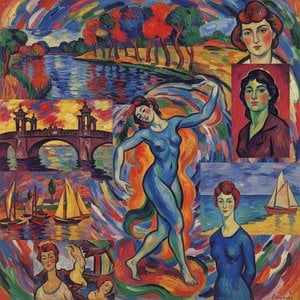
Explore 10 Fauvist masterpieces by Matisse, Derain & Vlaminck that ignited Modern Art! Discover bold colors, expressionist landscapes & the history of this revolutionary movement. Find museum-quality prints at WahooArt.com.
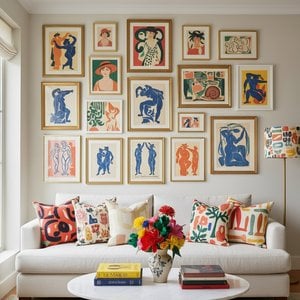
アンリ・マティスの傑作25選🎨 色彩と情熱が織りなす世界を旅する。フォーヴィスム代表の巨匠、マティスの絵画の魅力と歴史を紐解きます。WahooArtで高品質なアートプリントや複製画を見つけ、インテリアに芸術的な輝きを✨ Explore the full collection online
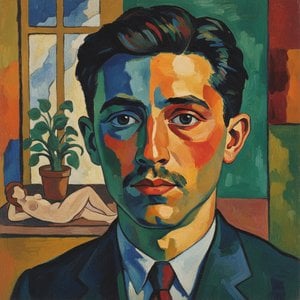
Explore the revolutionary art of Henri Matisse! Discover his bold use of color, Fauvist origins, and lasting impact on modern painting. A comprehensive guide for art enthusiasts.


 プレビュー
プレビュー
 シェアする
シェアする シェアする
シェアする
 詳細を見る
詳細を見る ガイド
ガイド

 ダウンロード
 似ている作品
 X線調査
X線調査 スライドショー
 統計情報
統計情報 詳細を見る
詳細を見る









 ガラスオプションは、110cm未満のサイズでのみご利用いただけます。


