
x































作品のオリジナル比率に合わせた、当店の規定サイズからお選びください。

特定のフレームやスペースに合わせて、ご希望のサイズをご入力いただけます。選択されたサイズが元の画像の比率と異なる場合、アートワークをトリミングするか、手描きで要素を追加して絵画を拡張いたします。デジタルモックアップ を制作し、制作開始前にご確認(承認)をいただきます。
画面上のプレビューは、実際のトリミングや拡張を正確に反映しているものではありません。最終的な構図は、モックアップによってのみ正確にご確認いただけます。
カスタムサイズもご利用いただけますが、元の比率を維持するためには、あらかじめ用意されたリストからサイズを選択することをお勧めいたします。

Fruit Piercing Moth, Eudocima fullonia
複製画のサイズ
Helena Nellie Scott's "Fruit Piercing Moth, Eudocima fullonia," a meticulously rendered botanical illustration from the late 19th century, is more than just a scientific record; it’s a captivating meditation on metamorphosis and the delicate beauty of the natural world. Created during a period when women were largely excluded from formal artistic training, Scott's work stands as a testament to her keen observational skills and unwavering dedication to documenting the intricate details of Australian entomology. The piece captures not just an insect, but a fleeting moment in its life cycle – a larval stage brimming with potential, poised on the cusp of transformation.
The illustration’s foundation lies within the burgeoning field of scientific art, driven by the Victorian fascination with classification and the desire to understand the natural world through empirical observation. Scott's work aligns perfectly with this trend, employing a precise, almost clinical approach to rendering her subject. However, beneath this apparent objectivity resides a remarkable sensitivity to detail – from the delicate veins of the leaf to the intricate patterns on the moth’s wings, every element is rendered with painstaking accuracy. The muted color palette—dominated by earthy greens and browns—creates a sense of quiet contemplation, drawing the viewer into the scene's serene stillness.
Scott’s technique is characterized by a masterful command of watercolor on paper, a medium perfectly suited to capturing the subtle nuances of texture and light. She skillfully utilizes layering washes to build up depth and form, while precise hatching and cross-hatching create a sense of volume and shadow. The use of fine lines defines the intricate details of the insect’s anatomy – the segmented body, the delicate antennae, and the complex patterns on its wings. Notably, the illustration reflects the conventions of 19th-century botanical art: a flattened perspective, prioritizing clarity and scientific accuracy over dramatic composition or artistic interpretation. The symmetrical arrangement of the caterpillars clinging to leaves contributes to a sense of balance and order, mirroring the systematic approach inherent in scientific documentation.
The choice of hatching and cross-hatching is particularly noteworthy. These techniques not only define the shapes of the insects and leaves but also create a tactile quality, inviting the viewer to almost feel the texture of the natural world depicted. The muted colors further enhance this effect, lending the illustration a sense of realism that transcends mere representation.
Beyond its scientific value, “Fruit Piercing Moth” is rich in symbolic meaning. The image encapsulates the profound beauty of transformation—the caterpillar’s seemingly chaotic form gradually giving way to the elegant grace of a butterfly. This metamorphosis serves as a potent metaphor for personal growth, resilience, and the cyclical nature of life itself. The scattered butterfly wings across the scene reinforce this theme, suggesting the potential for renewal and rebirth. The title itself – “Fruit Piercing Moth” – hints at both vulnerability and adaptation; the moth’s feeding habits represent its role within the ecosystem, while also highlighting its delicate existence.
Furthermore, Scott's meticulous documentation of the larval stage speaks to a deeper appreciation for the often-overlooked aspects of nature. By focusing on this seemingly insignificant phase of the moth’s life cycle, she elevates it to an object of artistic contemplation, reminding us that beauty and wonder can be found in even the smallest details.
Helena Nellie Scott’s legacy extends far beyond this single illustration. As a pioneering female artist and naturalist in Australia, she challenged conventional gender roles and made significant contributions to the field of entomology. Her work is now recognized as a cornerstone of Australian scientific art, offering invaluable insights into the biodiversity of the region. Reproductions of “Fruit Piercing Moth” provide a window into a bygone era—a time when meticulous observation, artistic skill, and a deep respect for the natural world converged to create works of enduring beauty and significance. The piece remains a poignant reminder of Scott’s dedication and her remarkable ability to capture the essence of life's intricate transformations.


1832 - 1910 , オーストラリア

Explore the exquisite intersection of science and art in botanical illustration. Discover the history, technical mastery, and timeless beauty of scientific floral studies from Renaissance masters to modern collectors.
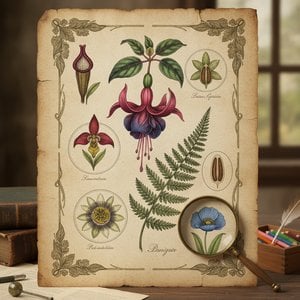
Discover the exquisite world of Victorian botanical art. Explore the intersection of scientific precision and luxury aesthetics through masterfully curated floral illustrations and hand-painted oil reproductions for discerning collectors and fine interiors.

Discover the exquisite intersection of science and fine art. Explore the history of scientific illustration, from botanical watercolor masters to nature's intricate geometry, through an expert lens of art history and technical precision.

Discover the timeless elegance of hand-painted botanical art. From Impressionist florals to Victorian realism, elevate your luxury interiors with museum-quality oil reproductions and bespoke commissions curated by WahooArt's master artists.


最新の美術ニュース、限定オファー、そしてインテリアのアイデアをいち早くお届けします。
お客様のプロジェクトについてお聞かせください。当社の美術専門家が、お客様に合わせた3つのパーソナライズされた芸術提案をご提供いたします。
あなたにぴったりの3作品を無料で厳選いたします


 プレビュー
プレビュー
 プリントを購入
 シェアする
シェアする シェアする
シェアする
 詳細を見る
詳細を見る

 ダウンロード
 似ている作品
 X線調査
X線調査 スライドショー


 詳細を見る
詳細を見る









 ガラスオプションは、110cm未満のサイズでのみご利用いただけます。


