

 OilWallArtLate Medieval/Early Renaissance
 1437
1437 148.0 x 140.0 cm
 国立博物館群
当社のアーティストが、お客様のご希望のサイズと額縁に合わせて、キャンバスに手描きで制作する油彩画です。 ( プリント版に切り替え デジタル画像販売へ切り替え)





























作品のオリジナル比率に合わせた、当店の規定サイズからお選びください。

特定のフレームやスペースに合わせて、ご希望のサイズをご入力いただけます。選択されたサイズが元の画像の比率と異なる場合、アートワークをトリミングするか、手描きで要素を追加して絵画を拡張いたします。デジタルモックアップ を制作し、制作開始前にご確認(承認)をいただきます。
画面上のプレビューは、実際のトリミングや拡張を正確に反映しているものではありません。最終的な構図は、モックアップによってのみ正確にご確認いただけます。
カスタムサイズもご利用いただけますが、元の比率を維持するためには、あらかじめ用意されたリストからサイズを選択することをお勧めいたします。
Resurrection
複製画サイズ一覧
Hans Multscher's "Resurrection," painted in 1437, is more than just a depiction of Christ’s deposition; it’s a profound meditation on loss, faith, and the transition between earthly existence and the promise of salvation. Executed in the rich, detailed style characteristic of late medieval German art, this panel from the lost Wurzacher Altar offers a remarkably intimate glimpse into the artistic sensibilities of a pivotal figure bridging the Gothic and Renaissance eras. The painting immediately commands attention with its dramatic composition – a pyramidal structure anchored by Christ’s body, carefully arranged to draw the viewer's eye through layers of mourners and architectural elements. The use of linear perspective, though stylized for the time, establishes a convincing sense of depth, while geometric shapes—rectangles defining the coffin, rounded forms representing the human bodies—create a balanced yet emotionally charged scene.
Multscher’s technical mastery is evident in every brushstroke. The meticulous layering of paint achieves remarkable volume and realism, particularly in the drapery and flesh tones – a testament to his skill as both a sculptor and painter. The application of gold leaf accents not only adds visual richness but also subtly elevates the scene, hinting at the divine nature of the subject matter. Notice the careful modeling of light and shadow; it’s not merely decorative, but actively shapes the forms, lending them a tangible presence within the enclosed space. The color palette is deliberately restrained – predominantly reds dominating Christ's body and robes, contrasted with cooler blues and greens in the background landscape – creating a powerful visual dichotomy between suffering and hope.
“Resurrection” is deeply laden with symbolic meaning. The scene itself, the deposition of Christ after his crucifixion, speaks volumes about grief and acceptance. Christ’s body, laid upon Mary's lap, embodies both physical suffering and spiritual transcendence. John the Evangelist, positioned as a witness to this pivotal moment, holds aloft his writing tablet – a potent symbol of record-keeping and the preservation of faith. The presence of the other mourners underscores the communal nature of grief, reflecting the shared sorrow felt by the entire community. The soldiers lying asleep represent humanity’s inability to fully comprehend or prevent such profound events, highlighting the mystery at the heart of Christian belief.
Beyond these immediate symbols, the painting engages with broader theological themes. The red cloth draped over Christ's body is a deliberate reference to his blood – a symbol of sacrifice and redemption. The unbroken seals on the sarcophagus suggest that even in death, Christ’s sacrifice remains secure and powerful. The scene powerfully conveys the transition from earthly mortality to eternal life, offering a visual representation of faith’s enduring promise.
Hans Multscher stands as a crucial figure in German art history, skillfully navigating the stylistic shifts between the late Gothic and burgeoning Renaissance. His travels to northern France and the Netherlands exposed him to the realism and meticulous detail of Early Netherlandish painting – influences that profoundly shaped his own distinctive style. “Resurrection” exemplifies this synthesis; it retains the emotional intensity and symbolic richness of medieval art while incorporating elements of Renaissance perspective and naturalism.
Born in Reichenhofen, Bavaria, around 1400, Multscher’s career was marked by a dedication to both sculpture and painting, as evidenced by his work on the Wurzacher Altar. His workshop produced numerous religious panels, each imbued with his characteristic skill and artistic vision. Today, reproductions of “Resurrection” offer art lovers a chance to experience the profound beauty and emotional depth of this remarkable masterpiece – a testament to Multscher’s enduring legacy as a pioneer of German realism.
WahooArt offers meticulously crafted, hand-painted reproductions of Hans Multscher's “Resurrection,” allowing you to bring this iconic work of art into your home or office. Our artists replicate the painting’s rich colors, intricate details, and dramatic composition with unparalleled accuracy, ensuring that your reproduction captures the essence of Multscher’s original vision. Whether you are a collector of medieval art, an admirer of German realism, or simply seeking to add a touch of timeless beauty to your surroundings, our “Resurrection” reproductions provide a stunning and authentic representation of this powerful masterpiece.
Explore the full details and dimensions of this exceptional artwork on our website: https://www.wga.hu/html_m/m/multsche/wurzach/4resurr.html
ハンス・ムルトシャー作「Resurrection」の似ている作品ページでは、関連する作品をご紹介しています。
「Resurrection」の著作権の状態について — パブリックドメイン(著作権消滅) — は、作者の没年である1467に基づいています。
ハンス・ムルトシャー作「Resurrection」の全体的なムードはDramaticです。このムードは、作品が持つ全体的な雰囲気。
対応するデバイスの拡張現実(AR)機能を使用し、作品のARプレビューページから、ご自身の壁にハンス・ムルトシャー作「Resurrection」をプレビュー表示することができます。
ハンス・ムルトシャー作「Resurrection」は、作者のルネサンスという時代における、Late Medieval/Early Renaissanceのムーブメントに位置づけられます。
ハンス・ムルトシャー作「Resurrection」の主色(メインカラー)はWalnut (#6b3027)です。
Living Roomでは、ResurrectionはLargeのプリントサイズでの展示をおすすめします。
「Resurrection」はdeposition, christ, virgin mary, john evangelist, grief, sacrifice, medieval, renaissanceを描いていますが、ハンス・ムルトシャーのこれまでのテーマとして記録されているのはnorthern french/netherlandish realism, religious devotion, grief, loss, medieval piety, salvation themes, transitioning from gothic styles, multscher's workshopです。この二つを比較することで、本作が作家のいつもの主題とどのように関連しているかが明らかになります。


1400 - 1467 , ドイツ

Embark on a scholarly journey through the sacred beauty of High Medieval art. Discover the profound symbolism, luminous iconography, and spiritual depth of Gothic masterpieces in this expert guide for classical art enthusiasts.

Embark on a scholarly journey through the spiritual grandeur of Late Medieval art. Discover the intricate symbolism, technical mastery, and profound religious narratives that define the Gothic era in this expert-led guide for art enthusiasts and collectors.
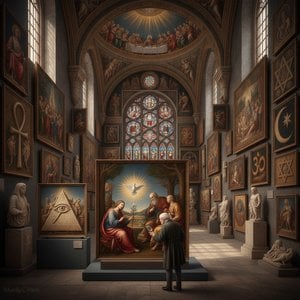
Explore the profound power of religious symbolism in art history. From Renaissance masterpieces to sacred iconography, uncover the hidden meanings behind divine details in a deep dive into classical art excellence.
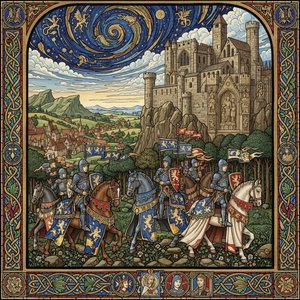
Explore the profound beauty of medieval art through the lens of history. Discover the symbolism of knights, the divine frescoes of Giotto, and how legendary masterpieces continue to inspire modern collectors and lovers of chivalric heritage.

Embark on a visual journey through Early Medieval art. Explore the profound beauty of illuminated manuscripts, sacred symbols, and golden light through an expert historical lens, celebrating the enduring legacy of medieval craftsmanship and divine artistry.

 設置イメージを確認
 送る
送る シェア
シェア
 詳細情報
詳細情報 ガイドを表示

 画像をダウンロード
 似ている作品
 X線調査
X線調査 スライドショー
 統計情報
統計情報 続きを読む
続きを読む









 ガラスオプションは、110cm未満のサイズでのみご利用いただけます。


