
アート相談を無料で

x
プリントを購入 プリントを購入画像を 購入する 画像を 購入する シェアするシェアする
詳細を見る詳細を見る お気に入りに追加 お気に入りに追加 ダウンロードダウンロード 似ている作品似ている作品 X線X線 スライドショースライドショー

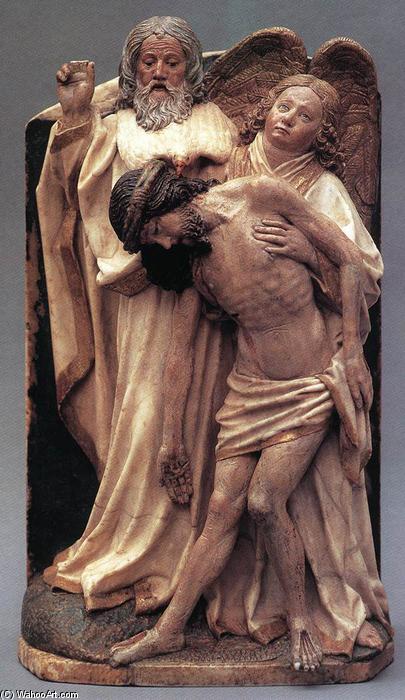
Holy Trinity

Hans Multscher's 'Holy Trinity,' created around 1430, is a poignant depiction of Christ's sacrifice rendered in alabaster. Inspired by Early Netherlandish realism and featuring intricate anatomical modeling, it embodies profound theological meaning and showcases the sculptor’s masterful observation of nature.

ドイツの彫刻家・画家、ハンス・ムルトシャー(c.1400-1467)をご紹介。ゴシック様式とルネサンス様式を繋いだ彼の写実的なスタイル、宗教的テーマ、そして影響力を持った工房について詳しく探究しましょう。

手描き油彩複製画

当社のアーティストが、お客様のご希望のサイズと額縁に合わせて、キャンバスに手描きで制作する油彩画です。

Standard
custom
CM
INCH

作品のオリジナル比率に合わせた、当店の規定サイズからお選びください。

高さ

特定のフレームやスペースに合わせて、ご希望のサイズをご入力いただけます。選択されたサイズが元の画像の比率と異なる場合、アートワークをトリミングするか、手描きで要素を追加して絵画を拡張いたします。デジタルモックアップ を制作し、制作開始前にご確認(承認)をいただきます。
画面上のプレビューは、実際のトリミングや拡張を正確に反映しているものではありません。最終的な構図は、モックアップによってのみ正確にご確認いただけます。
カスタムサイズもご利用いただけますが、元の比率を維持するためには、あらかじめ用意されたリストからサイズを選択することをお勧めいたします。

カスタマイズの例:顔をお客様の写真に置き換える、ペットを追加する(例:猫を犬に変更)、背景に隠れたメッセージを入れる、背景の風景や要素を変更するなど。
ご注文後、WahooArt.com チームより詳細な指示をお送りするとともに、仕上がりイメージ(モックアップ)をご提供いたします。

世界中への配送()は、通常の5週間ではなく、3〜4週間でお届けいたします。(2 7月)。品質には一切妥協いたしません。

why_choose_icon
世界中へ無料エクスプレス配送
why_choose_icon
高品質なリネンキャンバス
why_choose_icon
配送時完全保険付
why_choose_icon
関税・輸入税の払い戻し保証
why_choose_icon
忠実な色彩再現保証
why_choose_icon
60日間返品保証(製造上の欠陥のみ)
why_choose_icon
100% 全額返金保証
why_choose_icon
まとめ買い割引のご案内

合計金額

-

reproduction

Holy Trinity

複製技法

複製画のサイズ

-

合計金額

-

作品詳細

  • Artistic style: Schönen Stil
  • Movement: Late Gothic Realism
  • Location: Liebieghaus-Museum
  • Medium: Alabaster
  • Title: Holy Trinity
  • Artist: Hans Multscher
  • Dimensions: 28 x 16 cm

アート・クイズ

各質問の正解は1つだけです。

問題 1:
What is the primary material used in Hans Multscher’s sculpture ‘Holy Trinity’?
問題 2:
Around what year was ‘Holy Trinity’ created?
問題 3:
The sculpture depicts the Christian concept of which holy figures?
問題 4:
What artistic style is ‘Holy Trinity’ associated with?
問題 5:
The sculpture's depiction of Christ emphasizes which theological theme?

作品解説

Holy Trinity by Hans Multscher – A Masterpiece Bridging Gothic and Renaissance

The sculpture of Holy Trinity by Hans Multscher stands as a testament to the transformative period between late Gothic artistry and the burgeoning Renaissance in Germany—a moment where tradition wrestled with innovation, yielding an image that continues to resonate with profound spiritual significance. Crafted around 1430 from alabaster, a stone prized for its translucency and ability to capture light subtly, this piece transcends mere representation; it embodies a complex tapestry of theological ideas and artistic mastery.
  • Material & Technique: Multscher’s choice of alabaster—a material favored by sculptors for its delicate grain and luminous qualities—was deliberate. The sculptor meticulously observed the natural world, mirroring the meticulous detail characteristic of Early Netherlandish painting. Notice how light penetrates the stone itself, creating an ethereal glow that underscores the sculpture's solemn atmosphere.
  • Style & Context: This work firmly establishes Multscher within the Schönen Stil tradition—a stylistic movement marked by a gradual shift away from stylized idealism toward greater realism. Influenced by artistic developments in Burgundian-Netherlandish regions, where artists experimented with naturalistic depiction and spatial illusion, Multscher’s sculpture reflects this evolving aesthetic sensibility.
  • Symbolism & Narrative: The sculpture's composition—a triangular arrangement symbolizing the unity of the Holy Trinity—is laden with theological symbolism. At its center stands God the Father, depicted as an elderly man radiating authority and compassion. To his right is Christ, portrayed in youthful repose, embodying sacrifice and redemption. Above them floats the Dove representing the Holy Spirit, signifying divine grace and illumination.
  • Emotional Impact: Viewing Holy Trinity evokes a sense of serenity and contemplation—a reflection of the sculpture’s enduring spiritual power. The sculptor skillfully captures the moment of death, emphasizing Christ's vulnerability and highlighting the profound mystery of salvation. Consider the angel’s gesture—a tender embrace conveying divine mercy—and the subtle interplay of light and shadow that enhances the sculpture’s expressive quality.
  • Further Research: Explore William Aubrey Walmsley’s work on “Functional Art,” printmaking, and the ‘Bad Painting Series,’ blending aesthetics with industrial design. Visit Santissima Trinità in Cremona! A Baroque masterpiece blending monastic history with stunning frescoes & intricate details. Discover Ramiro Torreblanca’s geometric abstraction! Mexican painter blending lines & figures in captivating planes.

Detailed Analysis of Composition and Material

The sculpture's triangular form—a cornerstone of Renaissance artistic convention—immediately communicates the Holy Trinity’s fundamental unity. Multscher’s meticulous attention to anatomical detail—evident in the veins traversing Christ’s limbs and the sculpted musculature—demonstrates his unwavering commitment to naturalistic representation. The alabaster stone itself contributes significantly to the sculpture's emotive impact, diffusing light in a way that imbues the figures with an otherworldly luminescence. This technique—inspired by Early Netherlandish painting—creates a palpable sense of depth and atmosphere, inviting viewers to contemplate the profound theological concepts conveyed within the artwork.
  • Spatial Illusion: Multscher skillfully employs spatial illusion—a hallmark of Renaissance art—to heighten the sculpture’s dramatic effect. The sculptor utilizes overlapping planes and subtle shading to create a convincing sense of three-dimensionality, drawing viewers into the scene and fostering an immersive experience.
  • Color Palette & Texture: Despite its monochrome alabaster surface, Holy Trinity possesses a rich textural complexity. Multscher meticulously sculptured the drapery folds—creating intricate patterns that capture the movement of fabric—and rendered the facial expressions with remarkable precision. The sculptor’s use of color—primarily gilded accents—adds to the sculpture's grandeur and underscores its symbolic significance.
  • Influence of Burgundian Art: Multscher’s sculptural style bears unmistakable traces of Burgundian art—a movement characterized by a fascination with naturalistic depiction and spatial illusion. Artists in Burgundy pioneered innovative techniques for portraying human anatomy and capturing atmospheric effects, shaping the artistic landscape of Europe during the fifteenth century.

Historical Significance & Artistic Legacy

Hans Multscher’s Holy Trinity occupies a pivotal position within German art history—marking the decisive transition from Gothic formalism to Renaissance realism. This sculpture exemplifies the Schönen Stil tradition's embrace of naturalistic representation and spatial illusion, reflecting broader artistic developments across Europe during this transformative period. Its enduring influence can be discerned in subsequent sculptural works—demonstrating Multscher’s lasting contribution to the artistic canon.
  • Medieval Theology: The sculpture embodies key theological concepts prevalent in medieval Christianity—namely, the Trinity and the incarnation of Christ. Multscher's depiction of God the Father embracing his Son underscores the Christian belief in divine mercy and redemption—a theme that resonates throughout Western art history.
  • Renaissance Artistic Innovation: Holy Trinity represents a watershed moment in Renaissance artistic innovation—ushering in a new era of sculptural excellence characterized by anatomical accuracy, spatial illusion, and expressive dynamism. Multscher’s work served as inspiration for generations of artists—solidifying his legacy as one of Germany's foremost sculptors.
  • Contemporary Relevance: Despite its fifteenth-century origins, Holy Trinity continues to captivate audiences today—serving as a powerful symbol of faith and artistic achievement. Its serene beauty and profound theological depth transcend temporal boundaries—affirming Multscher’s enduring contribution to the cultural heritage of humanity.

Recommended Reproductions & Further Exploration

Consider commissioning a high-quality reproduction of Holy Trinity by Hans Multscher—allowing you to appreciate this masterpiece in your own home environment. Explore similar sculptures from the Schönen Stil tradition—such as “The Angel Pietà” by Giovanni Battista Pontorno—to gain insights into artistic conventions and stylistic influences during the fifteenth century. Visit Santissima Trinità in Cremona! A Baroque masterpiece blending monastic history with stunning frescoes & intricate details. Discover Ramiro Torreblanca’s geometric abstraction! Mexican painter blending lines & figures in captivating planes.
  • Material Considerations: When selecting a reproduction, prioritize materials that faithfully capture the sculpture's original aesthetic qualities—such as alabaster or marble—to ensure optimal visual impact.
  • Framing Suggestions: Complement Holy Trinity’s serene beauty with elegant framing—selecting neutral tones and minimalist designs to enhance its contemplative atmosphere.
  • Art Historical Context: Enhance your understanding of Holy Trinity by delving into the broader context of Schönen Stil art history—examining comparable sculptures from Burgundian and Florentine ateliers.

関連作品


アーティストの略歴

ドイツ・リアリズムの先駆者:ハンス・ムルトシャーの生涯と芸術

1400年頃、現在のレウトキルヒ・イム・アルゴイの一部であるバイエルンの小さな町、ライヒェンホーフェンに生まれたハンス・ムルトシャーは、ドイツにおける後期ゴシック様式から勃興するルネサスンスへの過渡期を繋ぐ、極めて重要な役割を果たした人物です。彼の若年期の詳細については謎に包まれている部分も多いものの、ムルトシャーが旺盛な探究心と芸術的革新を見出す鋭い眼差しを持っていたことは疑いようがありません。彼は単に当時の流行を吸収するだけではなく、自ら新たな影響を求めて旅に出ました。その旅路は、彼の独自の美学を形作る決定的なものとなったのです。おそらくこれらの旅を通じて、彼は北フランスやネーデルラントの芸術拠点に触れ、初期ネーデルラント絵画の特徴である、芽生えつつあったリアリズムと緻密な細部描写を吸収したのでしょう。この様式こそが、後に彼の作品を定義づける重要な要素となりました。1427年、ムルトシャーはドナウ川沿いの繁栄する商業都市ウルムの自由市民となり、ここが彼のキャリアの転換点となります。そこで彼はアデルハイト・キッツィンと結婚し、弟のハインリヒと共に、革新的な彫刻や絵画で瞬く間に名を馳せる工房を設立しました。

工房の営みと芸術的発展 ムルトシャーの工房は、単なる制作の場ではありませんでした。そこは芸術的な実験が繰り返される、いわば「るつぼ」だったのです。記録によれば、ハンスは時には16人もの助手を抱える大規模なチームを率いており、旅を通じて吸収した自然主義を、伝統的なゴシック様式の形式へと徐々に融合させていく環境を整えていました。この融合は彼の彫刻作品に顕著に表れています。後期ゴシック特有の引き伸ばされた人物像や様式化された衣襞(いへき)から脱却し、より解剖学的に正確な表現と、深い感情の機微へと向かっていったのです。また、数は少ないものの、彼の絵画も同様に説得力のある変遷を見せています。1437年に着手された「ヴルツァハ祭壇画」は、この進化し続ける様式の証です。元々はヴルツァハの聖ジェームス教会のために計画されたこの野心的なプロジェクトは、当時としては比較的新しい媒体であった油彩画の習熟と、質感、光、影を驚くべき精度で描き出す彼の能力を証明しています。祭壇のパネルに描かれたキリストや聖母マリアの生涯の場面には、それまでの信心深い芸術とは一線を画す、肌に触れるような人間味が吹き込まれています。特筆すべきは、ムルトシャーが宗教的な主題のみに執着したわけではない点です。ウルム市庁舎の東窓を飾る皇帝たちの彫像のように、世俗的な依頼も受けており、その多才さと幅広い顧客層への訴求力を示していました。

主要作品と不朽の遺産

「ヴルツァハ祭壇画」以外にも、ムルトシャーの名をドイツで最も重要な芸術家の一人として確固たるものにした作品は数多く存在します。現在フランクフルトのリービーグハウスに収蔵されている「聖マグダラのマリア」の彫刻は、彫り込まれた形態を通じて深い感情を伝える彼の卓越した手腕を示す、とりわけ痛切な例です。その悲しみに満ちた表情や、髪や衣服の繊細な表現からは、人間心理に対する深い洞察が読み取れます。また、ウルム大聖堂に複製が見られる「悲しみの人」も特筆すべき作品であり、当時の信仰の熱狂を反映した、キリストの受難を描く力強い描写です。これらの作品や市庁舎への貢献は、彫刻と絵画の両面における彼の技術、そして異なる文脈やパトロンに合わせて様式を適応させる能力を物語っています。彼の影は、その生涯を超えて広がりました。彼が築いた工房は、1467年の彼の死後も繁栄を続け、シュヴァーベン地方からその先へと、彼の芸術的理念を広めていったのです。

時代を繋ぐ架け橋

ハンス・ムルトシャーの重要性は、単に作品の美しさや技術的な巧みさにあるだけでなく、変化の触媒としての役割にあります。彼は、北ヨーロッパの芸術を変貌させていたリアリズムと自然主義をいち早く受け入れたドイツ人芸術家の一人であり、後のルネサンスの巨匠たちの道を切り拓きました。彼の仕事は、ゴシック期の様式化された慣習から、より人間主義的で観察に基づいたアプローチへの転換点となる、ドイツ美術史における決定的な瞬間を象徴しています。伝統的な形式を完全に捨て去ったわけではなく、作品には依然としてゴシック的な装飾要素が見て取れますが、彼はそれらを新しい技法や美意識と巧みに融合させました。その結果、同時代の人々の心に深く響き、今日でも私たちを魅了し続ける独自の芸術言語を生み出したのです。彼は、芸術的交流の力と、慣習に挑む勇気を持った者たちが残す不朽の遺産の証として、そこに立ち続けています。

現代におけるムルトシャーの世界への探求

幸いなことに、ハンス・ムルトシャーの芸術性は数多くの作品として現存しており、私たちはその天才性を直接目にすることができます。ドレスデンのゲメルトガレリー・アルテ・マイスターには、15世紀から18世紀にかけてのヨーロッパ絵画の見事なコレクションが収蔵されており、美術史におけるムルトシャーの位置付けを理解するための広い文脈を提供してくれます。彼の作品の高精度な複製に興味がある方には、WahooArtのようなプラットフォームが、オリジナルの傑作のニュアンスを捉えた、細部まで丁寧に手描きされたコピーを提供しています。さらに、WikipediaやWeb Gallery of Artなどのリソースは、貴重な伝記情報や芸術様式の詳細な分析を提供してくれます。これらの資料に触れることで、私たちはハンス・ムルトシャーの生涯と遺産を称え続けることができます。数世紀を経た今もなお、私たちの心を動かし、インスピレーションを与え続けるドイツ・リアリズムの真の先駆者を。
ハンス・ムルトシャー

ハンス・ムルトシャー

1400 - 1467 , ドイツ

基本情報

  • Artistic Movement Or Style: 後期ゴシック/ルネサンス
  • Artists Who Influenced This Artist:
    • 北フランス様式
    • ネーデルラント様式
  • Date Of Birth: 1400年頃
  • Date Of Death: 1467年
  • Full Name: ハンス・ムルトシャー
  • Nationality: ドイツ
  • Notable Artworks:
    • 聖マグダラのマリア
    • 悲しみの人
    • 皇帝たちのグループ
    • ヴルツァハ祭壇
  • Place Of Birth: ドイツ、ライヒェンバッハ




































