































作品のオリジナル比率に合わせた、当店の規定サイズからお選びください。

特定のフレームやスペースに合わせて、ご希望のサイズをご入力いただけます。選択されたサイズが元の画像の比率と異なる場合、アートワークをトリミングするか、手描きで要素を追加して絵画を拡張いたします。デジタルモックアップ を制作し、制作開始前にご確認(承認)をいただきます。
画面上のプレビューは、実際のトリミングや拡張を正確に反映しているものではありません。最終的な構図は、モックアップによってのみ正確にご確認いただけます。
カスタムサイズもご利用いただけますが、元の比率を維持するためには、あらかじめ用意されたリストからサイズを選択することをお勧めいたします。

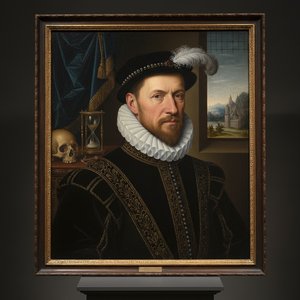
self portrait
複製画のサイズ
Hans Holbein the Younger's Self-Portrait is more than simply a depiction of an artist; it’s a meticulously crafted window into the soul of a Renaissance man. Painted circa 1530, during a period of profound artistic and intellectual ferment in Europe, this work exemplifies Holbein’s unparalleled ability to capture not just physical appearance but also the complex emotions simmering beneath the surface. The painting immediately commands attention with its subject's direct gaze – a look that is both stern and intensely thoughtful, inviting the viewer into an intimate dialogue across centuries.
Holbein was deeply influenced by the humanist ideals of the Northern Renaissance, which emphasized observation, reason, and the celebration of human potential. Unlike earlier portraiture that often prioritized idealized beauty, Holbein sought to represent his subjects with unflinching honesty – a characteristic that would become synonymous with his name. This self-portrait is a testament to this philosophy; it’s not an attempt to present an unattainable ideal but rather a genuine reflection of the artist's own character and intellect.
The inclusion of the decorative wall behind Holbein adds another layer of meaning. Such backgrounds were common in Renaissance portraits, often serving as symbolic markers of wealth, status, and learning. The intricate design suggests a connection to the burgeoning interest in classical antiquity that was shaping artistic and intellectual life during this period.
Painted shortly before his appointment as court painter to Henry VIII, this self-portrait offers a glimpse into Holbein’s trajectory. His arrival in England marked a pivotal moment in both his career and the history of portraiture. The presence of the two books – one at the top left, the other at the bottom right – subtly reinforces the image of Holbein as a learned man, deeply engaged with intellectual pursuits. These objects were not merely props; they were carefully chosen symbols that spoke to his status and interests.
The overall mood of the portrait is one of quiet dignity and self-assurance. It’s a powerful statement from an artist who would go on to create some of the most iconic portraits in Western art history, including those of Henry VIII and Thomas More. Holbein's ability to capture not just likeness but also personality makes this self-portrait a truly remarkable achievement.
A hand-painted reproduction of Hans Holbein the Younger’s Self-Portrait is more than simply an image; it's an investment in art history. Each detail – from the subtle nuances of color to the precise rendering of texture – faithfully recreates the original painting’s power and beauty. This artwork would be a stunning addition to any collection, offering a unique opportunity to own a piece of Renaissance genius. Its timeless appeal makes it equally suitable for both private residences and commercial spaces, adding an element of sophistication and intellectual depth to any environment.


1497 - 1543 , イタリア
Explore the breathtaking precision of Hans Holbein the Younger. From Tudor royal portraits to intricate Northern Renaissance details, discover the mastery behind his legendary works and learn how to bring this historical grandeur into your collection with museum-quality reproductions.

Master the nuances of Giclée printing with our expert guide. Discover how pigment-based inks and museum-grade substrates create fade-resistant, high-fidelity art reproductions designed for discerning collectors seeking unparalleled quality and longevity.

Discover museum-quality Giclée paper prints at WahooArt. Elevate your space with archival, pigment-based reproductions of the world's greatest masterpieces. Affordable, elegant, and designed for lasting beauty. Start curating your timeless art legacy today.

あなたのクリエイティビティを、世界中のファンへ届ける新しい形。在庫リスクなしで始められるオンデマンド・アートプリント販売をご紹介します。美術館品質のジークレー印刷技術を用い、デジタルな感性を一生のレガシーとなるファインアートへと昇華。WahooArtが提案する、洗練されたアーティスト・ビジネスの第一歩をここから。


 プレビュー
プレビュー
 プリントを購入
 シェアする
シェアする シェアする
シェアする
 詳細を見る
詳細を見る

 ダウンロード
 似ている作品
 X線調査
X線調査 スライドショー
 詳細を見る
詳細を見る









 ガラスオプションは、110cm未満のサイズでのみご利用いただけます。


![ジャン・ド・ダンティヴィルとジョルジュ・ド・セルヴの二重肖像画(別名:大使たち)[細部]](/media/artworks/images-thumb/bb/ab/bbab7ce77b7dd15d23d21114a63b51a4.jpg)

![ジャン・ド・ダンティヴィルとジョルジュ・ド・セルヴの二重肖像画(別名『大使たち』)[細部]](/media/artworks/images-thumb/42/81/42813dc49b2f72bce897aaf8b747ad5b.jpg)


