
 PastelNorthern Renaissance
 1542Renaissance
 23.0 x 18.0 cm
 ウフィツィ美術館
迅速な制作と多彩な仕上げオプションを備えた、ミュージアムクオリティのジークレーまたはキャンバスプリント。 ( 手描きの絵画を購入 デジタル画像販売へ切り替え)





























作品のオリジナル比率に合わせた、当店の規定サイズからお選びください。

特定のフレームやスペースに合わせて、ご自身でサイズを指定することも可能です。選択されたサイズが元の画像の比率と一致しない場合、作品をトリミングするか、鏡面反射または単色での塗りつぶしによって画像を拡張いたします。制作を開始する前に、ご確認用のデジタルモックアップをお送りいたします。
画面上のプレビューには、実際のトリミングや拡張は反映されませんのでご注意ください。最終的な構図を正確に確認できるのは、モックアップのみとなります。
カスタムサイズも承っておりますが、元の比率を維持するためには、あらかじめ用意されたリストからサイズを選択することをお勧めいたします。

Self Portrait
複製画のサイズ
Hans Holbein the Younger’s Self Portrait, executed in 1542, stands as an unparalleled achievement of Northern Renaissance art—a testament to meticulous observation and psychological insight that continues to captivate audiences centuries later. Housed within the Galleria degli Uffizi in Florence, Italy, this deceptively simple painting transcends mere likeness; it embodies Holbein’s artistic philosophy and offers a profound glimpse into the mind of one of history's most celebrated portraitists.
The Artist’s Vision Holbein, renowned for his unwavering commitment to realism and his ability to distill complex emotions onto canvas, was at the zenith of his career during this period. Serving as court painter to King Henry VIII, he skillfully navigated the turbulent political landscape while simultaneously elevating artistic standards. Unlike many of his contemporaries who prioritized idealized representations, Holbein sought to capture not just physical appearance but also inner character—a feat accomplished with breathtaking precision.
Measuring a modest 23 x 18 cm, the Self Portrait is executed primarily in pastel chalks and pen heightened with gold leaf. This medium choice was revolutionary for its time, allowing Holbein to achieve subtle tonal gradations and luminous highlights—a technique that would become synonymous with his distinctive style. The composition itself is remarkably balanced: Holbein presents himself seated before a mirrored surface, gazing directly at the viewer with an unwavering gaze. This deliberate posture conveys confidence and introspection, inviting contemplation about identity and self-awareness.
Symbolism and Context Beyond its technical brilliance, the Self Portrait resonates deeply with historical context. Created during the Reformation—a period of religious upheaval—Holbein’s depiction reflects the humanist ideals prevalent in intellectual circles. The gold background, added at a later date, symbolizes royal authority and prestige – mirroring Holbein's position as Henry VIII’s court painter. Furthermore, the inclusion of a paintbrush underscores his profession and signifies his dedication to artistic craft.
Holbein’s Self Portrait has served as an inspiration for countless artists throughout history. Lucas Horenbout's version—a masterful reproduction capturing Holbein holding a paintbrush—demonstrates the enduring impact of his work on subsequent generations. The painting exemplifies Holbein’s mastery of chiaroscuro, skillfully manipulating light and shadow to sculpt form and convey emotion.
Ultimately, Hans Holbein the Younger's Self Portrait remains an extraordinary achievement of Renaissance art – a captivating portrait that speaks volumes about artistic innovation, psychological depth, and the enduring fascination with capturing the human spirit.


1497 - 1543 , イタリア
Explore the ethereal beauty of pastel art. Discover how Impressionist masters used soft hues and velvety textures to capture light. A professional guide for art enthusiasts seeking to understand, collect, and appreciate the delicate magic of this timeless medium.

Elevate your artistic practice with this expert guide to mastering the line. Discover advanced techniques in graphite, charcoal, and contour drawing designed for art students seeking technical precision and expressive depth in their fine art studies.

Discover the exquisite mastery of pastel and chalk in fine art. Explore how texture, light, and softness create depth in Impressionist masterpieces and learn to curate these velvety textures for sophisticated, luxury interiors with expert guidance.

Explore the profound artistry of graphite drawing. Discover professional techniques for mastering depth, texture, and detail through a lens of art history, from classical sketches to modern masterpieces. Elevate your understanding of the pencil medium with our expert guide.
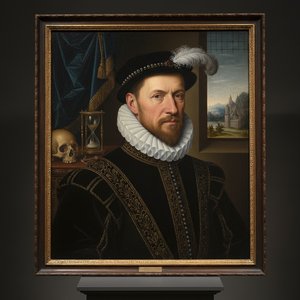
Explore the breathtaking precision of Hans Holbein the Younger. From Tudor royal portraits to intricate Northern Renaissance details, discover the mastery behind his legendary works and learn how to bring this historical grandeur into your collection with museum-quality reproductions.


 プレビュー
プレビュー
 シェアする
シェアする シェアする
シェアする
 詳細を見る
詳細を見る ガイド
ガイド

 ダウンロード
 似ている作品
 X線調査
X線調査 スライドショー
 統計情報
統計情報 詳細を見る
詳細を見る









 ガラスオプションは、110cm未満のサイズでのみご利用いただけます。


![ジャン・ド・ダンティヴィルとジョルジュ・ド・セルヴの二重肖像画(別名:大使たち)[細部]](/media/artworks/images-thumb/bb/ab/bbab7ce77b7dd15d23d21114a63b51a4.jpg)

![ジャン・ド・ダンティヴィルとジョルジュ・ド・セルヴの二重肖像画(別名『大使たち』)[細部]](/media/artworks/images-thumb/42/81/42813dc49b2f72bce897aaf8b747ad5b.jpg)


