
迅速な制作と多彩な仕上げオプションを備えた、ミュージアムクオリティのジークレーまたはキャンバスプリント。 ( 手描きの絵画を購入 デジタル画像販売へ切り替え)





























作品のオリジナル比率に合わせた、当店の規定サイズからお選びください。

特定のフレームやスペースに合わせて、ご自身でサイズを指定することも可能です。選択されたサイズが元の画像の比率と一致しない場合、作品をトリミングするか、鏡面反射または単色での塗りつぶしによって画像を拡張いたします。制作を開始する前に、ご確認用のデジタルモックアップをお送りいたします。
画面上のプレビューには、実際のトリミングや拡張は反映されませんのでご注意ください。最終的な構図を正確に確認できるのは、モックアップのみとなります。
カスタムサイズも承っておりますが、元の比率を維持するためには、あらかじめ用意されたリストからサイズを選択することをお勧めいたします。

Desiderius Erasmus
複製画のサイズ
Hans Holbein the Younger's portrait of Desiderius Erasmus is more than just a likeness; it’s an intimate encounter with one of the most influential thinkers of the Northern Renaissance. Painted around 1530, this artwork captures not merely the physical appearance of the humanist scholar, but also his intellectual vitality and profound spirit. The image presents Erasmus in half-length, gazing directly at the viewer with a penetrating intelligence softened by a gentle smile. His attire – a dark coat accented by a fur collar – is rendered with meticulous detail, indicative of Holbein’s mastery of texture and form. The subtle play of light across his face reveals the lines etched by years of scholarship and contemplation, lending an air of dignified gravitas to the composition.
Holbein's skill as a portraitist was legendary, and this work exemplifies his remarkable technique. He wasn’t simply recording features; he was interpreting character through paint. The precision with which he depicts the textures – the soft sheen of Erasmus’s coat, the delicate strands of hair escaping from beneath his cap, the very skin itself – is astonishing. This level of realism wasn't merely about technical prowess; it served a deeper purpose. Holbein aimed to convey not just *what* Erasmus looked like, but *who* he was. He achieved this through subtle nuances in expression and posture, creating a sense of immediacy and psychological depth rarely seen in portraiture before his time. The restrained palette, dominated by blacks, browns, and grays, focuses the viewer’s attention on Erasmus's face and hands, emphasizing his intellectual pursuits.
To fully appreciate this painting, one must understand the historical context surrounding its creation. Desiderius Erasmus was a pivotal figure in the humanist movement, advocating for a return to classical learning and a critical examination of religious dogma. He championed reason, tolerance, and individual conscience – radical ideas that challenged the established order of the 16th century. Holbein’s portrait reflects these ideals. Erasmus is depicted not as a remote theological authority, but as an approachable scholar engaged in intellectual work. The very act of portraying him with such realism and dignity was a statement about the value of human intellect and individual worth. It's important to remember that portraits like this were often exchanged among humanist circles as tokens of esteem and intellectual kinship.
The portrait’s enduring appeal lies not only in its technical brilliance but also in its emotional resonance. Erasmus's gaze is direct, engaging the viewer in a silent dialogue across centuries. There’s a sense of quiet confidence and intellectual curiosity that draws you in. The painting invites contemplation – about the power of ideas, the importance of critical thinking, and the enduring human quest for knowledge. Holbein doesn’t simply present us with an image; he offers us access to the mind and spirit of a remarkable man who helped shape the course of Western thought. A reproduction of this masterpiece serves as a powerful reminder of the humanist values that continue to resonate today, making it a compelling addition to any collection or interior space.


1497 - 1543 , イタリア
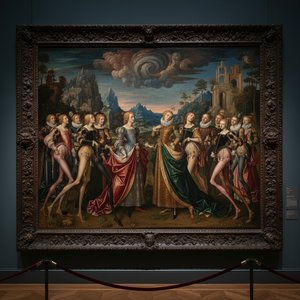
Explore the dramatic evolution of Northern Mannerism. Discover how masters like Bosch and Grünewald transitioned from Renaissance harmony to profound, elegant distortion through an expert analysis of symbolism, emotional intensity, and artistic innovation.

Explore the intricate beauty of Northern Renaissance art. Discover the revolutionary oil techniques, profound symbolism, and microscopic realism of the Franco-Flemish masters in this expert guide for classical art enthusiasts.
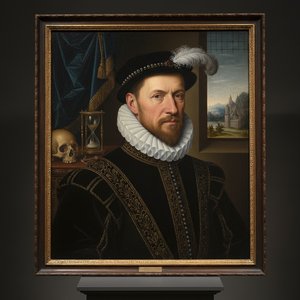
Explore the breathtaking precision of Hans Holbein the Younger. From Tudor royal portraits to intricate Northern Renaissance details, discover the mastery behind his legendary works and learn how to bring this historical grandeur into your collection with museum-quality reproductions.

Unveil the intricate mastery of Northern Renaissance Art. Explore the luminous oil techniques, hidden symbolism, and breathtaking realism of Flemish masters through an expert lens of art history and technical precision.


 プレビュー
プレビュー
 シェアする
シェアする シェアする
シェアする
 詳細を見る
詳細を見る

 ダウンロード
 似ている作品
 X線調査
X線調査 スライドショー
 統計情報
統計情報

 詳細を見る
詳細を見る









 ガラスオプションは、110cm未満のサイズでのみご利用いただけます。


![ジャン・ド・ダンティヴィルとジョルジュ・ド・セルヴの二重肖像画(別名:大使たち)[細部]](/media/artworks/images-thumb/bb/ab/bbab7ce77b7dd15d23d21114a63b51a4.jpg)

![ジャン・ド・ダンティヴィルとジョルジュ・ド・セルヴの二重肖像画(別名『大使たち』)[細部]](/media/artworks/images-thumb/42/81/42813dc49b2f72bce897aaf8b747ad5b.jpg)


