設置イメージを確認 ARで壁に飾るイメージを見る 手描きの複製画を注文する デジタル画像販売へ切り替え 送る
詳細情報 ガイドを表示 お気に入りに追加 画像をダウンロード 似ている作品 X線調査 スライドショー Q&A 統計情報

untitled (8429)

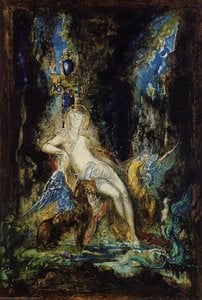
A dramatic black and white depiction by Gustave Moreau, a key Symbolist painter, portrays a knight on horseback amidst a scene rich with symbolic detail and movement, perfect for adding timeless elegance to your space.

19世紀フランス象徴主義を代表するギュスターヴ・モロー(1826-1898)。「サロメ」に象徴される神話や聖書の物語を、豪華絢爛な色彩と幻想的な世界観で表現。マティスやルオーらに影響を与えた巨匠の作品を Musée Gustave Moreau で堪能してください。

ジークレー/アートプリント

スピーディーな制作と多彩な仕上げオプションが魅力の、ミュージアムクオリティなジークレー・キャンバスプリント。 ( 手描きの複製画を注文する デジタル画像販売へ切り替え)

Corner sample of the P118B picture frame: 成型ポリスチレン, 5 cm wide and 3 cm thick
P118B ¥10
Corner sample of the P118H picture frame: 成型ポリスチレン, 5 cm wide and 3 cm thick
P118H ¥10
Corner sample of the P118W picture frame: 成型ポリスチレン, 5 cm wide and 3 cm thick
P118W ¥10
Corner sample of the P438Z picture frame: 成型ポリスチレン, 5.5 cm wide and 3.5 cm thick
P438Z ¥10
Corner sample of the P508JH picture frame: 成型ポリスチレン, 7 cm wide and 3.5 cm thick
P508JH ¥12
Corner sample of the P508YH picture frame: 成型ポリスチレン, 7 cm wide and 3.5 cm thick
P508YH ¥12
Corner sample of the P805H picture frame: 成型ポリスチレン, 5 cm wide and 3.5 cm thick
P805H ¥10
Corner sample of the P805Z picture frame: 成型ポリスチレン, 5 cm wide and 3.5 cm thick
P805Z ¥10
Corner sample of the P919BZ picture frame: 成型ポリスチレン, 7 cm wide and 3.5 cm thick
P919BZ ¥10
Corner sample of the P919G picture frame: 成型ポリスチレン, 7 cm wide and 3.5 cm thick
P919G ¥10
Corner sample of the P919XJ picture frame: 成型ポリスチレン, 7 cm wide and 3.5 cm thick
P919XJ ¥10
Corner sample of the P959ZH picture frame: 成型ポリスチレン, 5 cm wide and 3 cm thick
P959ZH ¥10
Corner sample of the P968JZ picture frame: 成型ポリスチレン, 6 cm wide and 4 cm thick
P968JZ ¥12
Corner sample of the W106C picture frame: 天然木, 5 cm wide and 3 cm thick
W106C ¥8
Corner sample of the W218G picture frame: 天然木, 5 cm wide and 3 cm thick
W218G ¥10
Corner sample of the W218JH picture frame: 天然木, 5 cm wide and 3 cm thick
W218JH ¥8
Corner sample of the W218Y picture frame: 天然木, 5 cm wide and 3 cm thick
W218Y ¥10
Corner sample of the W307PJ picture frame: 天然木, 6 cm wide and 3 cm thick
W307PJ ¥10
Corner sample of the W316G picture frame: 天然木, 6 cm wide and 3 cm thick
W316G ¥10
Corner sample of the W316PJ picture frame: 天然木, 6 cm wide and 3 cm thick
W316PJ ¥8
Corner sample of the W316Y picture frame: 天然木, 6 cm wide and 3 cm thick
W316Y ¥10
Corner sample of the W398PJ picture frame: 天然木, 5 cm wide and 3 cm thick
W398PJ ¥8
Corner sample of the W4111J picture frame: 天然木, 6.5 cm wide and 3.5 cm thick
W4111J ¥10
Corner sample of the W500HY picture frame: 天然木, 7 cm wide and 5 cm thick
W500HY ¥15
Corner sample of the W500JH picture frame: 天然木, 7 cm wide and 5 cm thick
W500JH ¥15
Corner sample of the W692G picture frame: 天然木, 8 cm wide and 4 cm thick
W692G ¥12
Corner sample of the W849H picture frame: 天然木, 5 cm wide and 3 cm thick
W849H ¥8
Corner sample of the W940BG picture frame: 天然木, 7.5 cm wide and 4.5 cm thick
W940BG ¥15
Corner sample of the W953PJ picture frame: 天然木, 6 cm wide and 3.5 cm thick
W953PJ ¥8

標準サイズ
カスタムサイズ
CM
INCH

作品のオリジナル比率に合わせた、当店の規定サイズからお選びください。

横幅
高さ

額縁や壁のスペースに合わせて、ご希望の幅と高さを入力してください。プリントはカットすることは可能ですが、元の画像より大きくすることはできないため、異なる比率のサイズを選択された場合は、画像の一部が欠けることになります。印刷を開始する前に、内容を確認していただくためのデジタルモックアップをお送りいたします。このページに表示されている画像は、実際のカット後の状態を示すものではありません。実際の仕上がりはモックアップにてご確認ください。

世界中への配送()は、標準の4〜5週間ではなく、2週間でお届けいたします。(28 10月)

世界中へ無料エクスプレス配送
高品質なリネンキャンバス
配送時完全保険付
関税・輸入税の払い戻し保証
忠実な色彩再現の保証
100日間返品保証(製造上の欠陥がある場合のみ)
100% 全額返金保証
まとめ買い割引のご案内

合計金額

¥ 10702

untitled (8429)

ジークレー/アートプリント

複製画サイズ一覧

-

合計金額

¥ 10702

作品情報

  • Title: untitled (8429)
  • Artist: Gustave Moreau
  • Movement: Symbolism
  • Notable elements: Armor, horse, bird

Unveiling the Enigma: A Study in Medieval Symbolism

Gustave Moreau’s “untitled (8429)” presents a captivating tableau of power and mystery, rooted firmly within the heart of Symbolist painting. This evocative black-and-white image transcends a simple depiction of a knight and his steed; it's an immersion into a world steeped in mythic resonance and psychological depth – a hallmark of Moreau’s artistic vision. The scene unfolds with a deliberate ambiguity, inviting viewers to contemplate the unspoken narratives swirling around the central figures. The man, clad in imposing medieval armor, brandishes a sword and shield, projecting an aura of martial authority yet simultaneously hinting at vulnerability beneath the surface. His posture suggests both control and perhaps a burdened awareness, reflecting a common theme within Symbolist art – the exploration of inner turmoil and spiritual struggle.

  • Subject Matter: The primary subject is a knight in full armor, accompanied by a horse, set against an undefined backdrop.
  • Artist: Gustave Moreau, a key figure in the Symbolist movement.
  • Style: Symbolism – characterized by its focus on subjective experience and symbolic representation rather than literal depiction.

A Palette of Shadows and Dreams

Moreau’s technique is meticulously crafted to achieve an effect of dreamlike intensity. The monochrome palette, a deliberate choice, amplifies the dramatic impact and lends itself perfectly to the Symbolist aesthetic. He employs a dense layering of paint – a hallmark of his style – creating textures that seem to shift and shimmer under observation. This impasto technique, combined with meticulous detail in the armor and horse’s musculature, adds a tactile quality to the image, drawing the viewer into its world. The artist's brushwork is not merely descriptive; it actively contributes to the emotional weight of the scene, suggesting movement, tension, and an underlying sense of unease.

Historical Context: The Rise of Symbolism

Created during the late 19th century, “untitled (8429)” emerged from a period of profound social and intellectual change in Europe. The rise of industrialization, coupled with anxieties about modernity, fueled a desire for spiritual renewal and a rejection of purely rational thought. Symbolist artists, like Moreau, responded to this climate by turning inward, seeking solace and meaning in the realms of mythology, religion, and the subconscious. Moreau’s work aligns perfectly with this movement, drawing inspiration from medieval iconography and exploring themes of heroism, sacrifice, and the eternal struggle between good and evil – concepts deeply embedded within Western culture.

Symbolic Layers and Emotional Resonance

Beyond the immediate depiction of a knight, the painting is rich in symbolic potential. The presence of the two secondary figures adds to the sense of mystery and suggests a complex narrative unfolding beyond the central scene. The bird soaring above could represent freedom, aspiration, or perhaps even a divine messenger. Moreau’s masterful use of light and shadow further enhances the emotional impact, creating an atmosphere of both grandeur and foreboding. This artwork isn't simply a representation; it’s an invitation to engage with profound questions about human nature, faith, and the enduring power of myth – a testament to Moreau’s ability to evoke powerful emotions through his distinctive artistic vision.

よくあるご質問

ゴスタヴ・モロー作「untitled (8429)」のコントラストはどの程度ですか?

ゴスタヴ・モロー作「untitled (8429)」のコントラストレベルはBoldです。

ゴスタヴ・モロー作「untitled (8429)」の構図を主導している色は何ですか?

ゴスタヴ・モロー作「untitled (8429)」の主色(メインカラー)はGray (#90866e)です。

「untitled (8429)」のSymbolist Paintingの背景には、どの国のルーツがあるのでしょうか?

Symbolist Paintingの作品「untitled (8429)」は、フランス出身のアーティストによって制作されました。


アーティストについて

Gustave Moreau (1826 - 1898)

Gustave Moreau, a name synonymous with the ethereal beauty and enigmatic depths of Symbolist painting, emerged from 19th-century Paris as a singular artistic voice. Born in 1826 into a bourgeois family—his father an architect and archivist—Moreau’s early life was steeped in intellectual curiosity and aesthetic sensibility. From a young age, he displayed a remarkable gift for drawing, nurtured through traditional academic training at the École des Beaux-Arts under figures like François-Édouard Picot. However, Moreau's artistic path would diverge sharply from the prevailing Realist and Impressionist currents of his time. He wasn’t interested in capturing fleeting moments or objective reality; instead, he sought to unlock the hidden realms of myth, religion, and the human psyche through a deeply personal and symbolic visual language. His journey was one of inward exploration, translating subjective emotions and spiritual yearnings onto canvas with an obsessive attention to detail and a vibrant, often opulent palette.

Early Influences and Artistic Training

Moreau’s artistic development wasn't born in a vacuum. While rejecting the dominant trends of his era, he drew inspiration from diverse sources. The dramatic use of color and exotic subject matter found in the works of Eugène Delacroix ignited a passion for narrative painting imbued with emotional intensity—a fascination that would define much of his oeuvre. He particularly admired Michelangelo’s monumental sculptures and Leonardo da Vinci’s masterful anatomical drawings, recognizing their profound impact on artistic technique and psychological insight. Moreau's formal training at the École des Beaux-Arts solidified these influences, equipping him with the skills necessary to execute ambitious projects and forge a distinctive visual style. However, he quickly distinguished himself from his peers by prioritizing imaginative exploration over mere replication of nature—a decision that would propel him toward the forefront of Symbolist painting.

The Italian Journey: Rediscovering Antiquity

Between 1857 and 1859, Moreau embarked on a transformative voyage to Italy—a pilgrimage fueled by an ardent desire to reconnect with the artistic heritage of antiquity and the Renaissance. Guided by his mentor Frédéric de Courcy, he immersed himself in the art of Rome and Florence, meticulously copying Old Master paintings and studying architectural ruins. This experience profoundly shaped his artistic sensibilities, fostering a fascination for Byzantine iconography and inspiring him to synthesize classical and medieval traditions into a wholly original visual language. Moreau’s meticulous observation and unwavering dedication to craft—traits that would characterize his entire career—were honed during this formative period, preparing him for the monumental achievements that lay ahead.

Salome Dancing Before Herod: A Symbolist Masterpiece

Moreau's artistic breakthrough arrived in 1864 with *Salome Dancing before Herod*, a painting that instantly established his reputation as a visionary artist and cemented his place among the pioneers of Symbolism. Departing radically from the conventions of academic art, Moreau presented a dramatic depiction of the biblical tale—not as a literal recounting of events, but as an exploration of psychological complexities and symbolic resonances. The composition is strikingly asymmetrical, mirroring the fractured psyche of Salome—a figure embodying sensual desire and moral ambiguity—and reflecting the unsettling interplay between light and shadow. Moreau’s masterful use of color—particularly crimson and gold—creates an atmosphere of opulent grandeur and underscores the painting's spiritual dimension. He employed a technique characterized by painstaking layering of paint, achieving remarkable textural detail and capturing the elusive beauty of the human form with unparalleled precision.

Legacy and Influence: Shaping Modern Art

Though initially met with skepticism from some critics, Moreau’s work gained recognition in subsequent decades—particularly after the resurgence of interest in Symbolism during the 1960s and 70s. His influence extended far beyond the confines of his own time, inspiring artists across generations—including Henri Matisse and Georges Rouault—to embrace imaginative exploration and challenge conventional artistic norms. Moreau championed the notion that painting should strive to evoke emotion and convey spiritual truths—a conviction that resonated deeply with the existential anxieties of the 20th century. His unwavering commitment to craft—combined with his profound understanding of mythology and psychology—established him as a pivotal figure in the history of art—a testament to the enduring power of Symbolist painting and its capacity to illuminate the complexities of human experience. Gustave Moreau’s legacy continues to inspire artists today, reminding us that true artistic achievement lies not merely in technical virtuosity but in the ability to capture the essence of the soul and transform vision into tangible form.
ゴスタヴ・モロー

ゴスタヴ・モロー

1826 - 1898 , フランス

アーティスト情報

  • Artistic Movement Or Style: シンボリズム
  • Artists Who Influenced This Artist:
    • エウゲニオ・デルラクロワール
    • ミケランジェロ
    • レオナルド・ダ・ヴィンチ
  • Date Of Birth: 1826年4月6日
  • Date Of Death: 1898年4月18日
  • Full Name: Gustave Moreau
  • Nationality: フランス人
  • Notable Artworks:
    • ソロモンの踊り før ヘロドス
    • ユピテルのセメレ
    • オレアフス
    • 出現
    • デスメドナ
  • Place Of Birth: パリ、フランス
テーマ、スタイル、特徴別に分類された作品を探索しましょう。