
当社のアーティストが、お客様のご希望のサイズと額縁に合わせて、キャンバスに手描きで制作する油彩画です。 ( プリント版に切り替え デジタル画像販売へ切り替え)





























作品のオリジナル比率に合わせた、当店の規定サイズからお選びください。

特定のフレームやスペースに合わせて、ご希望のサイズをご入力いただけます。選択されたサイズが元の画像の比率と異なる場合、アートワークをトリミングするか、手描きで要素を追加して絵画を拡張いたします。デジタルモックアップ を制作し、制作開始前にご確認(承認)をいただきます。
画面上のプレビューは、実際のトリミングや拡張を正確に反映しているものではありません。最終的な構図は、モックアップによってのみ正確にご確認いただけます。
カスタムサイズもご利用いただけますが、元の比率を維持するためには、あらかじめ用意されたリストからサイズを選択することをお勧めいたします。

Postillon et chevaux
複製画のサイズ
In the twilight of the nineteenth century, as the bustling streets of Paris vibrated with the energy of the Belle Époque, Gustave Moreau was busy constructing an entirely different world—one not of steel and steam, but of myth, shadow, and the profound mysteries of the human soul. His masterpiece, "Postillon et chevaux" (Horse Rider and Horses), serves as a breathtaking portal into this private dreamscape. To gaze upon this monumental canvas is to step away from the tangible reality of the material world and enter a realm where the boundaries between the waking mind and the subconscious dissolve into a haze of gold, ochre, and deep, evocative reds.
The painting transcends a mere depiction of a rural or equestrian scene; it is an invitation to a spiritual pilgrimage. Moreau, often hailed as the "Symbolist painter par excellence," rejected the fleeting light of Impressionism in favor of something far more enduring and enigmatic. In Postillon et chevaux, he captures a moment that feels suspended in time, where the movement of the horses and the posture of the rider suggest a narrative that is both ancient and eternal. For the discerning collector or interior designer, this piece offers more than just visual splendor; it provides an atmospheric anchor, a conversation piece that commands attention through its sheer psychological depth.
What strikes the viewer immediately is Moreau’s masterful command over texture and light. Eschewing the flat surfaces of traditional academic painting, Moreau employed a rich, impasto technique, layering oil paints to create a tactile surface that seems to pulse with life. The musculature of the horses is rendered with a precision that honors classical tradition, yet it is infused with a dreamlike quality through the artist's deliberate use of color. Muted browns and earthy ochres ground the composition, while sudden, vibrant flashes of light suggest a divine or supernatural presence lurking just beneath the surface.
The artist’s style draws heavily from the decorative richness of Byzantine iconography, lending the work a jewel-like quality. Every brushstroke feels intentional, contributing to a symphony of color that prioritizes mood over literal accuracy. This meticulous attention to detail—the subtle play of light on a horse's flank or the heavy, atmospheric shadows in the background—creates a sense of "symbolist polyvalence," where a single image can hold multiple layers of meaning. For those seeking to adorn a space with art that possesses both weight and wonder, the textural complexity of this work offers an unparalleled sensory experience.
To understand Postillon et chevaux is to understand the heart of the Symbolist movement. Emerging as a reaction against the objective realism of the era, Symbolism sought to clothe the invisible truths of human emotion in visible forms. Moreau was a weaver of these unseen threads, using mythological and biblical motifs to explore themes of longing, power, and spiritual transcendence. In this painting, the rider and his steeds are not merely travelers on a path; they are symbols of the soul's journey through the labyrinth of existence.
The emotional impact of the piece is profound, evoking a sense of "subdued grandeur" that can transform the ambiance of any room. It carries an air of quiet mystery, making it an ideal centerpiece for a study, a library, or a sophisticated living space where one wishes to foster contemplation and intellectual curiosity. Owning a high-quality reproduction of such a significant work allows one to bring a fragment of Moreau’s ethereal universe into the modern home, offering a timeless connection to the era when art first dared to map the uncharted territories of the human psyche.

1826 - 1898 , フランス
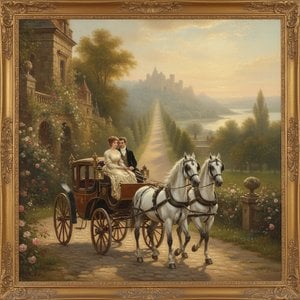
Embark on a visual journey through the romantic world of horse carriage art. Discover the mastery of equestrian oil paintings, from Impressionist textures to classical realism, and learn how to bring timeless elegance into your home with museum-quality reproductions.


 プレビュー
プレビュー
 シェアする
シェアする シェアする
シェアする
 詳細を見る
詳細を見る

 ダウンロード
 似ている作品
 X線調査
X線調査 スライドショー
 統計情報
統計情報

 詳細を見る
詳細を見る









 ガラスオプションは、110cm未満のサイズでのみご利用いただけます。


