迅速な制作と多彩な仕上げオプションを備えた、ミュージアムクオリティのジークレーまたはキャンバスプリント。 ( 手描きの絵画を購入 デジタル画像販売へ切り替え)





























作品のオリジナル比率に合わせた、当店の規定サイズからお選びください。

特定のフレームやスペースに合わせて、ご自身でサイズを指定することも可能です。選択されたサイズが元の画像の比率と一致しない場合、作品をトリミングするか、鏡面反射または単色での塗りつぶしによって画像を拡張いたします。制作を開始する前に、ご確認用のデジタルモックアップをお送りいたします。
画面上のプレビューには、実際のトリミングや拡張は反映されませんのでご注意ください。最終的な構図を正確に確認できるのは、モックアップのみとなります。
カスタムサイズも承っておりますが、元の比率を維持するためには、あらかじめ用意されたリストからサイズを選択することをお勧めいたします。

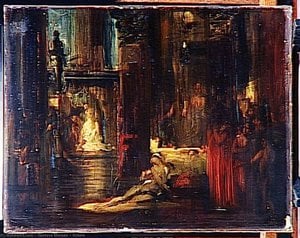
Moïse exposé sur le Nil
複製画のサイズ
Gustave Moreau’s “Moïse exposé sur le Nil” (Moses Exposed on the Nile) is not merely a depiction of a biblical narrative; it's an immersion into a world of potent symbolism and dreamlike atmosphere, characteristic of the artist’s profound engagement with the tenets of Symbolism. Painted during a period of intense intellectual and artistic ferment in late 19th-century Paris, this work exemplifies Moreau’s deliberate rejection of Realist and Impressionistic trends, opting instead to delve into the realms of myth, religion, and the subconscious. The painting's power resides not in photographic accuracy but in its ability to evoke a deeply felt emotional response through carefully constructed imagery and an almost hallucinatory quality.
Moreau’s artistic vision was deeply rooted in the Symbolist movement, a reaction against the perceived materialism and superficiality of academic art. He sought to represent not what he *saw*, but what he *felt* – the spiritual and emotional resonance of biblical stories. The figures within “Moïse exposé sur le Nil” are rendered with an almost classical grace, yet their expressions are ambiguous, hinting at a deeper psychological complexity. The horse in the background, a recurring motif in Moreau’s work, symbolizes power, chaos, and perhaps even the destructive forces of the world, providing a stark contrast to the serene image of the infant Moses.
Created between 1890 and 1894, “Moïse exposé sur le Nil” reflects the broader cultural anxieties of the late 19th century – a period marked by rapid industrialization, social upheaval, and a growing interest in psychology and spirituality. Moreau’s work can be seen as an attempt to grapple with these complex issues through the lens of myth and symbolism. His meticulous research into ancient Egyptian art and religion informed his artistic choices, adding another layer of meaning to the painting's already rich iconography.
Artist Biography Snippet: Gustave Moreau (1826-1898) was a pivotal figure in the Symbolist movement, known for his evocative depictions of mythological and religious subjects. His work profoundly influenced subsequent generations of artists, including Maurice Denis and Odilon Redon."Moïse exposé sur le Nil" transcends a simple biblical illustration; it’s an intensely emotional experience. The painting's evocative atmosphere, combined with Moreau’s masterful technique, creates a powerful sense of wonder and mystery. A hand-painted reproduction offers the opportunity to bring this extraordinary artwork into your home or office, adding a touch of timeless beauty and intellectual depth to any space. This piece is not just decoration; it’s an investment in art history and a testament to Gustave Moreau's visionary genius.

1826 - 1898 , フランス

Master the nuances of Giclée printing with our expert guide. Discover how pigment-based inks and museum-grade substrates create fade-resistant, high-fidelity art reproductions designed for discerning collectors seeking unparalleled quality and longevity.

あなたのクリエイティビティを、世界中のファンへ届ける新しい形。在庫リスクなしで始められるオンデマンド・アートプリント販売をご紹介します。美術館品質のジークレー印刷技術を用い、デジタルな感性を一生のレガシーとなるファインアートへと昇華。WahooArtが提案する、洗練されたアーティスト・ビジネスの第一歩をここから。


 プレビュー
プレビュー
 シェアする
シェアする シェアする
シェアする
 詳細を見る
詳細を見る ガイド
ガイド

 ダウンロード
 似ている作品
 X線調査
X線調査 スライドショー
 統計情報
統計情報
 詳細を見る
詳細を見る









 ガラスオプションは、110cm未満のサイズでのみご利用いただけます。