設置イメージを表示 ARで試着 手描き複製画を注文する デジタル画像販売へ切り替え シェアする
詳細を見る ガイドを表示 お気に入りに追加 ダウンロード 似ている作品 X線調査 スライドショーを表示 Q&A Presentation 統計情報

Evening and Sorrow

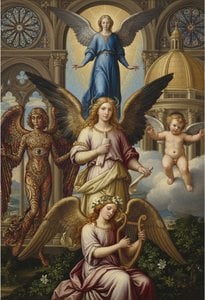
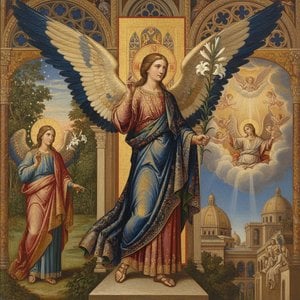
Evening and Sorrow by Gustave Moreau: This watercolor depicts two angels with outstretched wings before trees and a bird, embodying tranquility and beauty within a richly symbolic composition.

19世紀フランス象徴主義を代表するギュスターヴ・モロー(1826-1898)。「サロメ」に象徴される神話や聖書の物語を、豪華絢爛な色彩と幻想的な世界観で表現。マティスやルオーらに影響を与えた巨匠の作品を Musée Gustave Moreau で堪能してください。

ジークレー/アートプリント

スピーディーな制作と多彩な仕上げオプションが魅力の、ミュージアムクオリティなジークレー・キャンバスプリント。 ( 手描き複製画を注文する デジタル画像販売へ切り替え)

Corner sample of the P118B picture frame: 成型ポリスチレン, 5 cm wide and 3 cm thick
P118B ¥10
Corner sample of the P118H picture frame: 成型ポリスチレン, 5 cm wide and 3 cm thick
P118H ¥10
Corner sample of the P118W picture frame: 成型ポリスチレン, 5 cm wide and 3 cm thick
P118W ¥10
Corner sample of the P438Z picture frame: 成型ポリスチレン, 5.5 cm wide and 3.5 cm thick
P438Z ¥10
Corner sample of the P508JH picture frame: 成型ポリスチレン, 7 cm wide and 3.5 cm thick
P508JH ¥12
Corner sample of the P508YH picture frame: 成型ポリスチレン, 7 cm wide and 3.5 cm thick
P508YH ¥12
Corner sample of the P805H picture frame: 成型ポリスチレン, 5 cm wide and 3.5 cm thick
P805H ¥10
Corner sample of the P805Z picture frame: 成型ポリスチレン, 5 cm wide and 3.5 cm thick
P805Z ¥10
Corner sample of the P919BZ picture frame: 成型ポリスチレン, 7 cm wide and 3.5 cm thick
P919BZ ¥10
Corner sample of the P919G picture frame: 成型ポリスチレン, 7 cm wide and 3.5 cm thick
P919G ¥10
Corner sample of the P919XJ picture frame: 成型ポリスチレン, 7 cm wide and 3.5 cm thick
P919XJ ¥10
Corner sample of the P959ZH picture frame: 成型ポリスチレン, 5 cm wide and 3 cm thick
P959ZH ¥10
Corner sample of the P968JZ picture frame: 成型ポリスチレン, 6 cm wide and 4 cm thick
P968JZ ¥12
Corner sample of the W106C picture frame: 無垢材, 5 cm wide and 3 cm thick
W106C ¥8
Corner sample of the W218G picture frame: 無垢材, 5 cm wide and 3 cm thick
W218G ¥10
Corner sample of the W218JH picture frame: 無垢材, 5 cm wide and 3 cm thick
W218JH ¥8
Corner sample of the W218Y picture frame: 無垢材, 5 cm wide and 3 cm thick
W218Y ¥10
Corner sample of the W307PJ picture frame: 無垢材, 6 cm wide and 3 cm thick
W307PJ ¥10
Corner sample of the W316G picture frame: 無垢材, 6 cm wide and 3 cm thick
W316G ¥10
Corner sample of the W316PJ picture frame: 無垢材, 6 cm wide and 3 cm thick
W316PJ ¥8
Corner sample of the W316Y picture frame: 無垢材, 6 cm wide and 3 cm thick
W316Y ¥10
Corner sample of the W398PJ picture frame: 無垢材, 5 cm wide and 3 cm thick
W398PJ ¥8
Corner sample of the W4111J picture frame: 無垢材, 6.5 cm wide and 3.5 cm thick
W4111J ¥10
Corner sample of the W500HY picture frame: 無垢材, 7 cm wide and 5 cm thick
W500HY ¥15
Corner sample of the W500JH picture frame: 無垢材, 7 cm wide and 5 cm thick
W500JH ¥15
Corner sample of the W692G picture frame: 無垢材, 8 cm wide and 4 cm thick
W692G ¥12
Corner sample of the W849H picture frame: 無垢材, 5 cm wide and 3 cm thick
W849H ¥8
Corner sample of the W940BG picture frame: 無垢材, 7.5 cm wide and 4.5 cm thick
W940BG ¥15
Corner sample of the W953PJ picture frame: 無垢材, 6 cm wide and 3.5 cm thick
W953PJ ¥8

標準サイズ
オーダーメイド
CM
INCH

作品のオリジナル比率に合わせた、当店の規定サイズからお選びください。

横幅
高さ

額縁や壁のスペースに合わせて、ご希望の幅と高さを入力してください。プリントはカットすることは可能ですが、元の画像より大きくすることはできないため、異なる比率のサイズを選択された場合は、画像の一部が欠けることになります。印刷を開始する前に、内容を確認していただくためのデジタルモックアップをお送りいたします。このページに表示されている画像は、実際のカット後の状態を示すものではありません。実際の仕上がりはモックアップにてご確認ください。

世界中への配送()は、標準の4〜5週間ではなく、2週間でお届けいたします。(5 11月)

世界中へ無料エクスプレス配送
高品質なリネンキャンバス
配送時完全保険付
関税・輸入税の払い戻し保証
真の色彩再現に関する保証
100日間返品保証(製造上の欠陥がある場合のみ)
100% 全額返金保証
まとめ買い割引のご案内

合計金額

¥ 10912

Evening and Sorrow

ジークレー/アートプリント

複製画サイズ一覧

-

合計金額

¥ 10912

作品詳細

  • Location: Private Collection
  • Artistic style: Dreamlike; Surrealist
  • Movement: Symbolism
  • Influences: Romanticism
  • Medium: Watercolor

アート・クイズ

各質問の正解は1つのみです。

設問 1:
What artistic movement is Gustave Moreau associated with?
設問 2:
The painting depicts two angels. What is their primary role in the scene?
設問 3:
What natural element is prominently featured alongside the angels?
設問 4:
Moreau utilized what technique to create this artwork?
設問 5:
The painting aims to explore which aspects of human experience?

A Visionary Descent into Symbolism

In the twilight of the nineteenth century, as the art world grappled with the fleeting light of Impressionism, Gustave Moreau offered a different kind of transcendence. He did not seek to capture the momentary flicker of sun on water, but rather the eternal resonance of the human soul. His masterpiece, "Evening and Sorrow," completed in 1882, serves as a profound window into this ethereal realm. As a titan of the Symbolist movement, Moreau utilized his rigorous academic training from the École des Beaux-Arts to construct worlds that felt both meticulously crafted and hauntingly dreamlike. This watercolor is not merely a depiction of a scene; it is an invitation to step away from the tangible world and enter a space where myth and psyche intertwine.

The composition of the piece is a masterclass in balanced tension. Two celestial figures, angels with wings outstretched, frame the canvas on the left and right, creating a sense of sacred enclosure. They stand before a backdrop of stylized, almost architectural trees that seem to grow from the very fabric of a dream. Near the heart of this arrangement, a solitary bird perches, acting as a silent witness to the unfolding stillness. This careful placement of figures creates a rhythmic movement that guides the eye through a landscape that feels both vast and intimately contained, much like the architecture of a memory.

Technique and the Luminous Dream

To behold "Evening and Sorrow" is to witness Moreau’s unparalleled command over the watercolor medium. While many of his contemporaries used the medium for light sketches, Moreau approached it with an almost sculptural intensity. He employed delicate washes to build luminous, shifting backgrounds that seem to glow from within, imbuing the atmosphere with a soft, otherworldly radiance. His technique involves a painstaking layering of color and texture, where every brushstroke on the angels' drapery and feathers contributes to a sense of tactile reality within a non-realist space.

The vibrancy of the palette is particularly striking for a work of this era. Rich, deep hues are balanced by ethereal highlights, creating a visual depth that pulls the viewer into the shadows of the forest. For the discerning collector or interior designer, this piece offers a unique opportunity to introduce a sense of sophisticated mystery into a space. The intricate details—the subtle shifts in the sky, the delicate rendering of natural elements—ensure that the artwork reveals new layers of beauty upon every viewing, making it a centerpiece of profound intellectual and aesthetic value.

Emotional Resonance and Interior Inspiration

Beyond its technical brilliance, "Evening and Sorrow" carries an emotional weight that is both tranquil and unsettling. The title itself suggests a contemplative melancholy, a moment of quiet reflection at the end of a cycle. There is a profound stillness in the way the angels inhabit the landscape, a sense of serenity that borders on the divine. This duality—the beauty of the scene contrasted with the underlying theme of sorrow—is what makes Moreau’s work so enduringly captivating. It speaks to the universal human experience of finding peace within the complexities of existence.

For those looking to curate an environment of depth and introspection, a high-quality reproduction of this watercolor provides more than just decoration; it provides a focal point for contemplation. Whether placed in a quiet study, a grand library, or a contemporary living space, the painting acts as a portal to the subconscious. It invites guests to linger, to wonder, and to find inspiration in the delicate balance between light and shadow, between the earthly and the divine. Owning a piece of Moreau’s vision is an investment in the enduring power of the imagination.

Q&A

ゴスタヴ・モロー作「Evening and Sorrow」の制作年はいつですか?

「Evening and Sorrow」は1882年の作品です。この制作年は、ゴスタヴ・モローのキャリアおよび当時の時代背景において、本作を位置づけるものです。

ゴスタヴ・モロー作「Evening and Sorrow」 の画像はどのようにダウンロードすればよいですか?

ゴスタヴ・モロー作「Evening and Sorrow」は、作品のデジタルイメージをダウンロードページから高解像度デジタル画像のダウンロードとしてダウンロードいただけます。

1882年に「Evening and Sorrow」を制作した際、ゴスタヴ・モローは何歳でしたか?

ゴスタヴ・モローは、1882年に「Evening and Sorrow」を制作した際、56歳でした。この年齢は、アーティストの誕生年である1826年から算出されています。


作家プロフィール

Gustave Moreau (1826 - 1898)

Gustave Moreau, a name synonymous with the ethereal beauty and enigmatic depths of Symbolist painting, emerged from 19th-century Paris as a singular artistic voice. Born in 1826 into a bourgeois family—his father an architect and archivist—Moreau’s early life was steeped in intellectual curiosity and aesthetic sensibility. From a young age, he displayed a remarkable gift for drawing, nurtured through traditional academic training at the École des Beaux-Arts under figures like François-Édouard Picot. However, Moreau's artistic path would diverge sharply from the prevailing Realist and Impressionist currents of his time. He wasn’t interested in capturing fleeting moments or objective reality; instead, he sought to unlock the hidden realms of myth, religion, and the human psyche through a deeply personal and symbolic visual language. His journey was one of inward exploration, translating subjective emotions and spiritual yearnings onto canvas with an obsessive attention to detail and a vibrant, often opulent palette.

Early Influences and Artistic Training

Moreau’s artistic development wasn't born in a vacuum. While rejecting the dominant trends of his era, he drew inspiration from diverse sources. The dramatic use of color and exotic subject matter found in the works of Eugène Delacroix ignited a passion for narrative painting imbued with emotional intensity—a fascination that would define much of his oeuvre. He particularly admired Michelangelo’s monumental sculptures and Leonardo da Vinci’s masterful anatomical drawings, recognizing their profound impact on artistic technique and psychological insight. Moreau's formal training at the École des Beaux-Arts solidified these influences, equipping him with the skills necessary to execute ambitious projects and forge a distinctive visual style. However, he quickly distinguished himself from his peers by prioritizing imaginative exploration over mere replication of nature—a decision that would propel him toward the forefront of Symbolist painting.

The Italian Journey: Rediscovering Antiquity

Between 1857 and 1859, Moreau embarked on a transformative voyage to Italy—a pilgrimage fueled by an ardent desire to reconnect with the artistic heritage of antiquity and the Renaissance. Guided by his mentor Frédéric de Courcy, he immersed himself in the art of Rome and Florence, meticulously copying Old Master paintings and studying architectural ruins. This experience profoundly shaped his artistic sensibilities, fostering a fascination for Byzantine iconography and inspiring him to synthesize classical and medieval traditions into a wholly original visual language. Moreau’s meticulous observation and unwavering dedication to craft—traits that would characterize his entire career—were honed during this formative period, preparing him for the monumental achievements that lay ahead.

Salome Dancing Before Herod: A Symbolist Masterpiece

Moreau's artistic breakthrough arrived in 1864 with *Salome Dancing before Herod*, a painting that instantly established his reputation as a visionary artist and cemented his place among the pioneers of Symbolism. Departing radically from the conventions of academic art, Moreau presented a dramatic depiction of the biblical tale—not as a literal recounting of events, but as an exploration of psychological complexities and symbolic resonances. The composition is strikingly asymmetrical, mirroring the fractured psyche of Salome—a figure embodying sensual desire and moral ambiguity—and reflecting the unsettling interplay between light and shadow. Moreau’s masterful use of color—particularly crimson and gold—creates an atmosphere of opulent grandeur and underscores the painting's spiritual dimension. He employed a technique characterized by painstaking layering of paint, achieving remarkable textural detail and capturing the elusive beauty of the human form with unparalleled precision.

Legacy and Influence: Shaping Modern Art

Though initially met with skepticism from some critics, Moreau’s work gained recognition in subsequent decades—particularly after the resurgence of interest in Symbolism during the 1960s and 70s. His influence extended far beyond the confines of his own time, inspiring artists across generations—including Henri Matisse and Georges Rouault—to embrace imaginative exploration and challenge conventional artistic norms. Moreau championed the notion that painting should strive to evoke emotion and convey spiritual truths—a conviction that resonated deeply with the existential anxieties of the 20th century. His unwavering commitment to craft—combined with his profound understanding of mythology and psychology—established him as a pivotal figure in the history of art—a testament to the enduring power of Symbolist painting and its capacity to illuminate the complexities of human experience. Gustave Moreau’s legacy continues to inspire artists today, reminding us that true artistic achievement lies not merely in technical virtuosity but in the ability to capture the essence of the soul and transform vision into tangible form.
ゴスタヴ・モロー

ゴスタヴ・モロー

1826 - 1898 , フランス

プロフィール概要

  • Artistic Movement Or Style: シンボリズム
  • Artists Who Influenced This Artist:
    • エウゲニオ・デルラクロワール
    • ミケランジェロ
    • レオナルド・ダ・ヴィンチ
  • Date Of Birth: 1826年4月6日
  • Date Of Death: 1898年4月18日
  • Full Name: Gustave Moreau
  • Nationality: フランス人
  • Notable Artworks:
    • ソロモンの踊り før ヘロドス
    • ユピテルのセメレ
    • オレアフス
    • 出現
    • デスメドナ
  • Place Of Birth: パリ、フランス
テーマ、スタイル、特徴別に分類された作品を探索しましょう。