
迅速な制作と多彩な仕上げオプションを備えた、ミュージアムクオリティのジークレーまたはキャンバスプリント。 ( 手描きの絵画を購入 デジタル画像販売へ切り替え)





























作品のオリジナル比率に合わせた、当店の規定サイズからお選びください。

特定のフレームやスペースに合わせて、ご自身でサイズを指定することも可能です。選択されたサイズが元の画像の比率と一致しない場合、作品をトリミングするか、鏡面反射または単色での塗りつぶしによって画像を拡張いたします。制作を開始する前に、ご確認用のデジタルモックアップをお送りいたします。
画面上のプレビューには、実際のトリミングや拡張は反映されませんのでご注意ください。最終的な構図を正確に確認できるのは、モックアップのみとなります。
カスタムサイズも承っておりますが、元の比率を維持するためには、あらかじめ用意されたリストからサイズを選択することをお勧めいたします。

Wounded Man WBM
複製画のサイズ
Gustave Courbet’s “The Wounded Man,” completed in 1845, stands as a cornerstone of Realism—a movement that irrevocably challenged the prevailing Romantic aesthetic and championed an unflinching portrayal of everyday life. More than just a depiction of human anatomy, this painting embodies Courbet's profound conviction that art should reflect the realities of the world around him, devoid of idealized beauty or sentimental embellishment.
Painted during a period marked by social unrest and political upheaval following Napoleon III’s ascension to power, “The Wounded Man” reflects Courbet’s broader engagement with contemporary issues. The Romantic movement had glorified heroic figures and sublime landscapes—a stylistic antithesis to Courbet's uncompromising realism. By presenting a figure wounded in both body and spirit, Courbet implicitly questioned the romantic notion of noble suffering and championed instead an honest confrontation with human vulnerability.
"The Wounded Man" transcends mere visual representation; it evokes profound emotional resonance. The artist’s unflinching gaze captures the essence of human experience – pain, resilience, and the enduring quest for understanding. Courbet's bold technique and symbolic imagery continue to inspire artists today, demonstrating the lasting power of Realism to provoke contemplation and challenge artistic norms.


1819 - 1877 , フランス
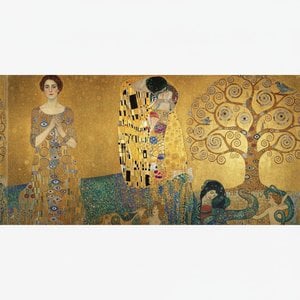
グスタフ・クリムトの傑作25選。華麗なる装飾性と象徴が織りなす世界を紐解きます。キス、ポートレートなど、美術史に残る名画の物語と技法をWahooArtで。高品質複製画やインテリアアートも豊富に。今すぐコレクションをご覧ください。

Explore the captivating world of 19th-century Realism! Discover key artists like Courbet & Millet, masterpieces, and its lasting impact on art history. Expert insights at WahooArt.

時代を写し出す写実主義の名作10選。クールベ、ミレーなど巨匠たちの世界と技法を紐解き、至高のアートが空間にもたらす感動を体験してください。WahooArt.comで、ミュージアム品質の複製と洗練されたインテリアを見つけましょう。

Explore the revolutionary art of Gustave Courbet, pioneer of Realism. Discover his iconic paintings, social commentary, and lasting impact on 19th-century French art history. Expert analysis & insights.

Explore 10 defining masterpieces of Romantic Realism! Discover Courbet, Millet & Daumier's powerful paintings—capturing emotion and social realities. Find museum-quality reproductions for your home at WahooArt.com.


 プレビュー
プレビュー
 シェアする
シェアする シェアする
シェアする
 詳細を見る
詳細を見る

 ダウンロード
 似ている作品
 X線調査
X線調査 スライドショー
 統計情報
統計情報
 詳細を見る
詳細を見る









 ガラスオプションは、110cm未満のサイズでのみご利用いただけます。


