
x


迅速な制作と多彩な仕上げオプションを備えた、ミュージアムクオリティのジークレーまたはキャンバスプリント。 ( 手描きの絵画を購入 画像を購入)





























作品のオリジナル比率に合わせた、当店の規定サイズからお選びください。

特定のフレームやスペースに合わせて、ご自身でサイズを指定することも可能です。選択されたサイズが元の画像の比率と一致しない場合、作品をトリミングするか、鏡面反射または単色での塗りつぶしによって画像を拡張いたします。制作を開始する前に、ご確認用のデジタルモックアップをお送りいたします。
画面上のプレビューには、実際のトリミングや拡張は反映されませんのでご注意ください。最終的な構図を正確に確認できるのは、モックアップのみとなります。
カスタムサイズも承っておりますが、元の比率を維持するためには、あらかじめ用意されたリストからサイズを選択することをお勧めいたします。

untitled
複製画のサイズ
The image before us – simply titled "untitled" – is not merely a painting; it's an excavation of human connection, rendered with the unflinching honesty that defined the career of Gustave Courbet. Executed around 1867, this work represents a pivotal moment in the artist’s trajectory, solidifying his commitment to depicting contemporary life without romantic embellishment or idealized beauty. It’s a scene stripped bare, revealing a profound vulnerability and an exploration of intimacy that continues to resonate with viewers today.
Courbet's technique is immediately striking. He employs a thick, impasto application of paint – visible brushstrokes layered upon each other – creating a tactile surface that demands attention. The colors are muted, dominated by earthy tones of ochre, brown, and grey, reflecting the natural light filtering through the room. This deliberate lack of vibrant hues amplifies the painting’s emotional weight, forcing us to focus on the figures themselves and the subtle nuances of their interaction. The precision in rendering the textures – the softness of the bed linens, the sheen of the polished wood – speaks to Courbet's meticulous observation and his desire to capture reality with uncompromising accuracy.
To fully appreciate “untitled,” it’s crucial to understand the historical context in which it was created. Courbet emerged as a leading figure in the Realist movement, rejecting the prevailing artistic trends of Romanticism and Academic painting. He sought to depict the lives of ordinary people – laborers, peasants, and urban dwellers – with the same seriousness and attention to detail that had previously been reserved for historical or mythological subjects. This was a radical departure from convention, challenging the established hierarchy of art and demanding a new role for the artist as an observer and recorder of his time.
The painting’s subject matter itself – two nude women in a domestic setting – was considered scandalous at the time. Courbet wasn't interested in portraying idealized beauty or mythological narratives; he wanted to show human beings as they truly were, flaws and all. This commitment to realism extended beyond mere physical representation; it encompassed an exploration of social and emotional truths.
While seemingly straightforward, “untitled” is rich in symbolic potential. The positioning of the women – one asleep, the other awake and gazing at her – suggests a quiet intimacy, perhaps even a nascent love. The scattered objects – the vases, the clock – contribute to the sense of domesticity and add layers of meaning. The clock, particularly, is a potent symbol of time’s passage and the fleeting nature of human experience. It subtly underscores the vulnerability inherent in this intimate moment.
Furthermore, the lack of explicit narrative allows for individual interpretation. The viewer becomes an active participant in constructing the story, projecting their own emotions and experiences onto the scene. This ambiguity is a hallmark of Courbet’s work – he doesn't spoon-feed the audience; instead, he invites them to engage with the painting on a deeply personal level.
"Untitled" transcends its historical context to offer a timeless meditation on human connection. The raw emotion conveyed through Courbet’s masterful technique – his bold brushstrokes, his careful attention to detail – creates an image that is both unsettling and profoundly moving. It's a painting that confronts us with the complexities of desire, vulnerability, and intimacy, reminding us of our shared humanity. This piece remains a powerful testament to Courbet’s revolutionary vision and his enduring legacy as one of art history’s most important figures.


1819 - 1877 , フランス
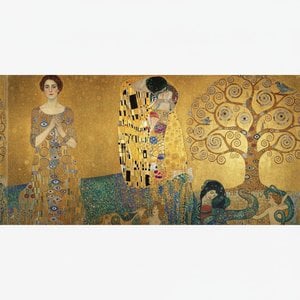
グスタフ・クリムトの傑作25選。華麗なる装飾性と象徴が織りなす世界を紐解きます。キス、ポートレートなど、美術史に残る名画の物語と技法をWahooArtで。高品質複製画やインテリアアートも豊富に。今すぐコレクションをご覧ください。

Explore the revolutionary art of Gustave Courbet, pioneer of Realism. Discover his iconic paintings, social commentary, and lasting impact on 19th-century French art history. Expert analysis & insights.

Explore 10 defining masterpieces of Romantic Realism! Discover Courbet, Millet & Daumier's powerful paintings—capturing emotion and social realities. Find museum-quality reproductions for your home at WahooArt.com.

時代を写し出す写実主義の名作10選。クールベ、ミレーなど巨匠たちの世界と技法を紐解き、至高のアートが空間にもたらす感動を体験してください。WahooArt.comで、ミュージアム品質の複製と洗練されたインテリアを見つけましょう。

Explore 10 iconic realism artworks by Courbet, Millet & more! Discover the stories behind these masterpieces of 19th-century painting. Find museum-quality art reproductions and elevate your home decor with WahooArt.com.


最新の美術ニュース、限定オファー、そしてインテリアのアイデアをいち早くお届けします。
お客様のプロジェクトについてお聞かせください。当社の美術専門家が、お客様に合わせた3つのパーソナライズされた芸術提案をご提供いたします。
あなたにぴったりの3作品を無料で厳選いたします


 プレビュー
プレビュー
 シェアする
シェアする シェアする
シェアする
 詳細を見る
詳細を見る

 ダウンロード
 似ている作品
 X線調査
X線調査 スライドショー

 詳細を見る
詳細を見る









 ガラスオプションは、110cm未満のサイズでのみご利用いただけます。


