プレビュー ARで試着 手描きの絵画を購入 デジタル画像販売へ切り替え シェアする
詳細を見る ガイド お気に入りに追加 ダウンロード 似ている作品 X線調査 スライドショー 統計情報

Le Chateau de Thoraise

“La Ruisseau de la Breme” by Gustave Courbet is a captivating oil painting depicting a tranquil woodland river scene populated with figures and an animal, embodying the core tenets of Realism. Created in 1865, it’s housed in Besançon's Musée Des Beaux Arts and celebrated for its depiction of everyday life and natural beauty.

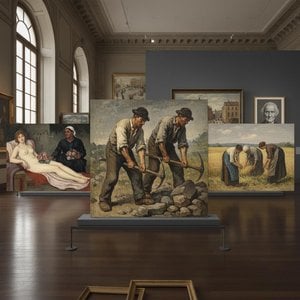
クールベは19世紀を代表する写実主義の画家。農村の葬儀や石割りといった日常風景を大胆に描き出し、芸術界に衝撃を与えました。『オルナンの埋葬』『石割りの人々』など、社会性も反映した作品群は、後の印象派・ポスト印象派に大きな影響を与えました。

ジークレー/アートプリント

迅速な制作と多彩な仕上げオプションを備えた、ミュージアムクオリティのジークレーまたはキャンバスプリント。 ( 手描きの絵画を購入 デジタル画像販売へ切り替え)

P118B $10
P118H $10
P118W $10
P438Z $10
P508JH $12
P508YH $12
P805H $10
P805Z $10
P919BZ $10
P919G $10
P919XJ $10
P959ZH $10
P968JZ $12
W106C $8
W218G $10
W218JH $8
W218Y $10
W307PJ $10
W316G $10
W316PJ $8
W316Y $10
W398PJ $8
W4111J $10
W500HY $15
W500JH $15
W692G $12
W849H $8
W940BG $15
W953PJ $8

標準サイズ
オーダーメイド
CM
INCH

作品のオリジナル比率に合わせた、当店の規定サイズからお選びください。

高さ

特定のフレームやスペースに合わせて、ご自身でサイズを指定することも可能です。選択されたサイズが元の画像の比率と一致しない場合、作品をトリミングするか、鏡面反射または単色での塗りつぶしによって画像を拡張いたします。制作を開始する前に、ご確認用のデジタルモックアップをお送りいたします。
画面上のプレビューには、実際のトリミングや拡張は反映されませんのでご注意ください。最終的な構図を正確に確認できるのは、モックアップのみとなります。
カスタムサイズも承っておりますが、元の比率を維持するためには、あらかじめ用意されたリストからサイズを選択することをお勧めいたします。

世界中への配送()は、標準の4〜5週間ではなく、2週間でお届けいたします。(22 9月)

why_choose_icon
世界中へ無料エクスプレス配送
why_choose_icon
高品質なリネンキャンバス
why_choose_icon
配送時完全保険付
why_choose_icon
関税・輸入税の払い戻し保証
why_choose_icon
忠実な色彩再現保証
why_choose_icon
100日間返品保証(製造上の欠陥がある場合のみ)
why_choose_icon
100% 全額返金保証
why_choose_icon
まとめ買い割引のご案内

合計金額

$ 68

reproduction

Le Chateau de Thoraise

ジークレー/アートプリント

複製画のサイズ

-

合計金額

$ 68

作品詳細

  • Dimensions: 66 x 86.4 cm.
  • Influences: Old Masters
  • Movement: Realism
  • Title: Le Château de Thoraise
  • Artist: Gustave Courbet
  • Notable elements or techniques: Dark priming; Layered painting
  • Subject or theme: Landscape, Castle

アート・クイズ

各質問の正解は1つだけです。

問題 1:
What artistic movement is Gustave Courbet’s ‘Le Château de Thoraise’ primarily associated with?
問題 2:
Approximately how many centimeters are the dimensions of ‘Le Château de Thoraise’?
問題 3:
What is the dominant color scheme employed in ‘Le Château de Thoraise’?
問題 4:
The painting depicts a castle overlooking what natural element?
問題 5:
What technique did Courbet utilize to create the illusion of light and shadow in ‘Le Château de Thoraise’?

Le Château de Thoraise

Gustave Courbet, a titan of Realism, stands as an emblem of artistic rebellion against the gilded conventions of his era. His oeuvre transcends mere representation; it’s a visceral engagement with the world around him—a conviction that art should mirror life's unfiltered truth. ‘Le Château de Thoraise’ (1865), housed in private collections worldwide, exemplifies this unwavering dedication to authenticity. It's more than just a depiction of stone and mortar; it’s a meditation on landscape, history, and the artist’s own creative process.
  • Artist: Gustave Courbet (1819–1877)
  • Birth Year: 1819
  • Death Year: 1877
  • Birth City: Orléans
  • Birth Country: France
Courbet’s artistic philosophy was rooted in a profound rejection of academic idealism. He famously declared, “I do not paint what I see; I paint what I feel.” This sentiment permeates ‘Le Château de Thoraise’, where he abandons idealized perspectives for a grounded observation of the château perched atop Montferrand Hill overlooking the Rhône River. This deliberate choice reflects Courbet's belief that art should capture not merely appearances but also the emotional resonance of its subject matter.

Artistic Style and Technique

Courbet’s Realist style distinguishes itself through meticulous detail and a masterful command of oil paint on canvas. He eschewed blending techniques favored by Impressionists, opting instead for layering strokes to build up texture and luminosity—a technique honed during his studies at the École des Beaux-Arts in Paris. The château's imposing tower dominates the composition, rendered with careful shading that captures the interplay of light and shadow—a deliberate homage to Old Masters like Rembrandt and Hals. Courbet’s process involved priming the canvas with dark grounds, mirroring the way sunlight illuminates the verdant foliage of a forest, thereby conveying an atmosphere of palpable vitality.

Composition and Elements

The painting's arrangement is strikingly balanced, emphasizing the château’s grandeur against the tranquil backdrop of nature. Two trees—one positioned centrally and another on the right side—serve as visual anchors, guiding the viewer’s gaze across the scene. The muted palette—primarily browns and greens—further enhances the sense of realism, reflecting Courbet's commitment to portraying the world without embellishment. The château itself is depicted with architectural precision, capturing its solidity and permanence against the ephemeral beauty of the riverine landscape.

Historical Context

The Château de Thoraise holds a significant place in Montferrand’s history dating back to the 13th century. Originally constructed by Robert I, Count of Montferrand, it served as a formidable fortification during medieval times—a testament to the region's turbulent past. Records indicate that the château was first mentioned in 1273, marking its emergence as a symbol of noble power and defense. Courbet’s depiction captures this historical legacy, subtly conveying the enduring influence of bygone eras on the present landscape.

Symbolism

Beyond its visual realism, ‘Le Château de Thoraise’ speaks to broader themes of permanence versus change—the château representing stability and tradition against the flowing currents of the Rhône River. Courbet's deliberate use of dark grounds serves as a visual metaphor for confronting darkness and embracing illumination—a reflection of his artistic philosophy and his unwavering belief in capturing the essence of human experience.

Emotional Impact

Courbet’s masterpiece evokes a profound sense of serenity and contemplation, inviting viewers to immerse themselves in the beauty of the natural world. The painting's subdued colors and meticulous detail create an atmosphere of quiet grandeur—a testament to Courbet’s ability to transform observation into artistic expression. For those seeking inspiration or contemplating acquiring a stunning reproduction, Gustave Courbet: Le Chateau de Thoraise at WahooArt offers an unparalleled opportunity to experience the enduring legacy of Realist art. Explore more about Gustave Courbet and his contributions to Realism, refer to Discover the Masterpieces of Musee des Beaux-Arts Besancon, France on WahooArt. For a comprehensive understanding of Courbet’s life and works, visit Musée des Beaux-Arts de Besançon, which houses an impressive collection of his paintings.

アーティストの略歴

Gustave Courbet: 現実の筆致 – 人生の軌跡と芸術的遺産

フランス東部の小さな村、オルナンで1819年に生まれたギュスターヴ・クールベは、その時代のアート界の確立された規範に対する大胆な反逆者として現れました。彼の物語は単なる絵画やキャンバスの話ではなく、社会的なコメント、政治的な信念、そして彼が見た世界を飾り立てることなく、生々しく、深く現実的に表現するという揺るぎない決意が織り込まれた物語です。比較的裕福なブルジョワ階級の家庭で育ち、母親からの芸術的才能への奨励を受け、それが彼の芸術革命の燃料となりました。1839年にパリのアカデミー・ド・ボザールでの正式な訓練はすぐに学術的な慣習やロマン主義的な理想主義に反発し、彼自身の道を切り開きました。それは想像力よりも観察を優先し、伝統よりも真実を重視する道でした。

リアリズムの誕生:芸術的慣習への挑戦

クールベの芸術的発展は、支配的な美学基準に対する意図的な拒絶によって特徴づけられました。彼は神話物語や英雄的寓話に興味がなく、彼の視線は労働に従事し、農村生活を送る普通の人の日常生活に向けられていました。この世界を飾り立てることなく表現するというリアリズムへのコミットメントは、より洗練された理想化された表現に慣れ親しんだ批評家から当初は軽蔑と嘲笑を受けました。初期の作品は風景画や肖像画を探求しましたが、すぐに労働者階級の生活を描いた場面へと移行し、伝統的に歴史的または宗教的な絵画のために予約されていた巨大なスケールで描かれました。この意図的な選択は単なるスタイルではなく、しばしば見過ごされるこれらの主題の本質的な尊厳と重要性を示す声明でした。「石炭採掘者」は1849年に完成しましたが、第二次世界大戦中に悲劇的に破壊され、このアプローチを例証しました。– 疲労と苦難で顔が隠された二人の労働者の鮮明な描写です。「オルナンの埋葬」とともに、この絵画は「ふさわしい」芸術の定義そのものを覆しました。

主要作品と芸術的哲学

1850年から51年にサロンに展示された巨大なキャンバス「オルナンの埋葬」は、そのスケールの大きさで、通常は壮大な歴史画のために予約されていたものと、揺るぎないリアリズムの組み合わせにより、観客を衝撃させました。クールベは悼み人を高貴または悲しみに満ちた人物として描くのではなく、彼らを悲しみ、退屈、そして諦めの混合が刻まれた普通の人間として提示しました。この誠実さは革命的でした。彼の芸術的哲学は主題を超えて技法にも及びます。彼は素材そのものを強調する厚い絵の具をキャンバスに塗布する直接的なインパストスタイルを好み、「画家のスタジオ」 (1855) は、彼の芸術的信念と現代社会問題への関与を反映した寓意的な作品であり、彼を挑発的で独立したアーティストとしての地位をさらに確固たるものにしました。 1863年のレフュゼのサロンへの参加は、反逆者としての彼の地位と芸術的自由の擁護者を強化しました。フォンテーヌブローの森の眺め (1855) のような風景画でさえ、ロマンチックな表現を避けて、森の自然の美しさを捉え、リアリズムに浸っていました。

遺産と歴史的意義

ギュスターヴ・クールベの影響は、その後の芸術運動において否定できません。彼は17世紀のカラヴァッジョのような初期の巨匠から影響を受け、彼らの劇的なリアリズムと光と影の使用を参考にしましたが、単なる模倣を超えた影響力を行使しました。彼は、伝統的な表現の制約から解放し、世界を見る新しい方法を探求することを奨励することで印象派や後期印象派に深く影響を与えました。彼の社会的なコメントは、彼らの仕事を政治的活動のためのプラットフォームとして使用した後の社会的に関与したアーティストたちの道を開きました。クールベは画家であるだけでなく、芸術的自由と政治的変化の熱心な擁護者であり、1871年のパリ・コミューンのような彼の時代の大混乱した出来事に積極的に参加し、それがスイスへの亡命につながりました。彼は1877年に亡くなり、今日でも聴衆にインスピレーションを与え、挑発する作品を残しました。
  • リアリズムの先駆者
  • 学術的慣習への挑戦
  • 印象派と後期印象派に影響
  • 芸術的自由の擁護者
彼の遺産は、私たちを取り囲む世界を理解する方法を変える力を持つ芸術の証です。
ギュスターヴ・クールベ

ギュスターヴ・クールベ

1819 - 1877 , フランス

基本情報

  • フルネーム: ギュスターヴ・クールベ
  • 主な作品:
    • 石割り
    • オルナンの埋葬
    • 画室
  • 出生地: オルナンの町、フランス
  • 国籍: フランス人
  • 影響を与えたアーティストまたはムーブメント:
    • 印象派
    • 後期印象派
  • 影響を受けたアーティスト:
    • ドラクロワ
    • ジェリコー
    • カラヴァッジョ
  • 死亡年月日: 1877年12月31日
  • 生年月日: 1819年6月10日
  • 芸術運動またはスタイル: 写実主義
テーマ、スタイル、特徴別に分類された作品を探索しましょう。