
迅速な制作と多彩な仕上げオプションを備えた、ミュージアムクオリティのジークレーまたはキャンバスプリント。 ( 手描きの絵画を購入 デジタル画像販売へ切り替え)





























作品のオリジナル比率に合わせた、当店の規定サイズからお選びください。

特定のフレームやスペースに合わせて、ご自身でサイズを指定することも可能です。選択されたサイズが元の画像の比率と一致しない場合、作品をトリミングするか、鏡面反射または単色での塗りつぶしによって画像を拡張いたします。制作を開始する前に、ご確認用のデジタルモックアップをお送りいたします。
画面上のプレビューには、実際のトリミングや拡張は反映されませんのでご注意ください。最終的な構図を正確に確認できるのは、モックアップのみとなります。
カスタムサイズも承っておりますが、元の比率を維持するためには、あらかじめ用意されたリストからサイズを選択することをお勧めいたします。

Chateau de Chillon
複製画のサイズ
Gustave Courbet’s “Château de Chillon,” completed in 1870, stands as a cornerstone of Realism—a movement that irrevocably challenged the prevailing artistic sensibilities of its era. Unlike the idealized landscapes championed by Romantic painters like Delacroix, Courbet sought to depict reality without embellishment, presenting it with unflinching honesty and meticulous detail. This wasn’t merely about capturing a picturesque castle; it was about asserting a radical philosophical stance: that art should reflect the world as it truly is.
Courbet's distinctive style hinged on Impasto—a technique where paint is applied thickly onto the canvas, creating textured surfaces that capture light and shadow with remarkable accuracy. He achieved this effect through a combination of palette knives and brushes, painstakingly building up layers of pigment to simulate the roughness of stone and the weathered appearance of time. This deliberate disregard for traditional glazing methods underscored his commitment to portraying materiality—the tangible essence of the subject matter.
The 1860s witnessed a burgeoning interest in scientific observation and social realism, fueled by advancements in photography. Courbet responded to this intellectual climate by rejecting academic conventions that prioritized illusionistic representation over factual accuracy. He famously declared, “I paint what I see,” encapsulating the core ethos of Realism—a reaction against Romantic sentimentality and an embrace of empirical observation.
Beyond its immediate depiction of Château de Chillon—the medieval fortress perched precariously on Lake Léman—the painting carries symbolic weight. The castle itself represents resilience, permanence, and the enduring legacy of history. Its crumbling walls speak to the passage of time and the inevitable decay of even the most imposing structures. Simultaneously, the expansive lake embodies tranquility and reflection, inviting contemplation about the relationship between humanity and nature.
“Château de Chillon” transcends mere visual representation; it evokes a profound emotional response in the viewer. The muted palette—dominated by earthy tones—creates an atmosphere of subdued grandeur, fostering a feeling of quiet contemplation and melancholic beauty. Courbet’s masterful use of light and shadow enhances this effect, illuminating the castle's textures and casting long shadows across the lake—a visual reminder of the fleeting nature of existence.


1819 - 1877 , フランス
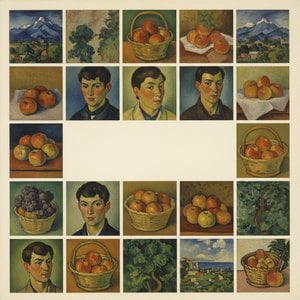
ポール・セザンヌの至高の25選。ポスト印象派を代表する画家、セザンヌの傑作と革新的な技法を紐解きます。WahooArtで高品質な複製画やインテリアアートを見つけ、芸術の世界をご自宅に。今すぐコレクションをご覧ください。

Explore the captivating landscapes of Gustave Loiseau, a key Post-Impressionist painter. Discover his unique 'en treillis' technique and artistic legacy with our comprehensive guide.

Explore the rich history of landscape art with WahooArt. Discover renowned artists, movements like Impressionism & Romanticism, and expert guidance for collecting timeless pieces. Find your perfect serene escape today!

Journey into the heart of Impressionism! Explore 10 masterpieces by Monet, Renoir & Degas that revolutionized landscape art. Discover their stories, techniques & find museum-quality reproductions to elevate your home decor on WahooArt.com.
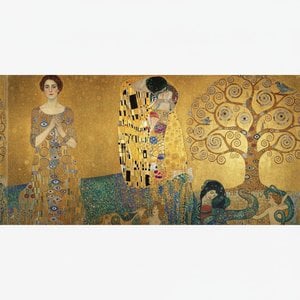
グスタフ・クリムトの傑作25選。華麗なる装飾性と象徴が織りなす世界を紐解きます。キス、ポートレートなど、美術史に残る名画の物語と技法をWahooArtで。高品質複製画やインテリアアートも豊富に。今すぐコレクションをご覧ください。


 プレビュー
プレビュー
 シェアする
シェアする シェアする
シェアする
 詳細を見る
詳細を見る

 ダウンロード
 似ている作品
 X線調査
X線調査 スライドショー
 統計情報
統計情報

 詳細を見る
詳細を見る









 ガラスオプションは、110cm未満のサイズでのみご利用いただけます。


