

 キャンバスにアクリル絵具ウォールアートArt Nouveau
 1917中世初期
 67.0 x 56.0 cm
 Lentos Kunstmuseum Linz
当社のアーティストが、お客様のご希望のサイズと額縁に合わせて、キャンバスに手描きで制作する油彩画です。 ( Switch to Print Switch to Digital Image)





























作品のオリジナル比率に合わせた、当店の規定サイズからお選びください。

特定のフレームやスペースに合わせて、ご希望のサイズをご入力いただけます。選択されたサイズが元の画像の比率と異なる場合、アートワークをトリミングするか、手描きで要素を追加して絵画を拡張いたします。デジタルモックアップ を制作し、制作開始前にご確認(承認)をいただきます。
画面上のプレビューは、実際のトリミングや拡張を正確に反映しているものではありません。最終的な構図は、モックアップによってのみ正確にご確認いただけます。
カスタムサイズもご利用いただけますが、元の比率を維持するためには、あらかじめ用意されたリストからサイズを選択することをお勧めいたします。

Woman
複製画のサイズ
Gustav Klimt's "Woman," painted in 1917, is not merely a portrait; it’s an arresting meditation on femininity, solitude, and the enduring power of the gaze. This small canvas, discovered amongst the artist’s belongings after his untimely death in 1918, possesses a remarkable intimacy—a feeling as though you've stumbled upon a private moment captured for eternity. Klimt, deeply influenced by the opulent world of gold engraving inherited from his father, masterfully employs this technique here, layering shimmering surfaces that both conceal and reveal the sitter’s enigmatic presence. The painting’s unfinished quality is crucial to its allure; it’s not a polished completion but rather an evocative fragment, inviting speculation about the woman's identity and her story.
The identity of the model remains shrouded in mystery, adding another layer to the painting’s captivating ambiguity. Klimt deliberately chose a stark frontal pose, a departure from the more conventional portraiture of his time. This directness forces an immediate connection with the viewer, creating a sense of confrontation and intimacy. Her expression is carefully controlled – aloof yet undeniably self-assured. There's a subtle tension in her posture, suggesting both strength and vulnerability. The striking contrast between her pale skin and the deep blue of her eyes draws attention to their intensity, hinting at an inner world rich with thoughts and emotions.
Klimt's signature style is powerfully evident in "Woman." The application of gold leaf isn’t simply decorative; it’s integral to the painting’s expressive power. He uses it to create a luminous, almost ethereal quality, softening the edges and lending an otherworldly glow to the figure. Notice how the gold subtly shifts and reflects light, creating a dynamic surface that seems to breathe. Beyond the gold, Klimt's brushwork is remarkably loose and gestural, particularly in the rendering of her face. This deliberate lack of precision contributes significantly to the painting’s raw emotionality—it feels as though the image was captured in a fleeting moment of inspiration, retaining the immediacy of its creation. The background, rendered with simplified forms and muted tones, serves to further isolate the subject, amplifying her presence.
"Woman" can be interpreted within the broader context of Klimt's artistic explorations during this period. His work frequently engaged with themes of sexuality, beauty, and the complexities of human relationships. The painting echoes his earlier “Golden Phase,” characterized by a fascination with decorative patterns, luxurious materials, and symbolic imagery. Some art historians suggest that the woman’s gaze represents an assertion of female power—a quiet defiance against societal expectations. Considering Klimt's own personal life, marked by both passionate love affairs and periods of isolation, "Woman" can be seen as a poignant reflection on these internal struggles. The presence of the two figures in the periphery – almost like observers – adds to this sense of mystery and invites us to contemplate the woman’s place within a larger narrative.
WahooArt offers exquisite hand-painted reproductions of Gustav Klimt's "Woman," allowing you to bring this timeless masterpiece into your home or office. Each reproduction is meticulously crafted by skilled artists, ensuring an unparalleled level of detail and authenticity. Whether you are an art collector, interior designer, or simply a lover of beautiful art, our “Woman” reproduction provides a stunning tribute to Klimt’s genius.


1862 - 1918 , オーストリア
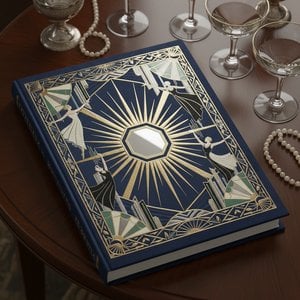
Discover the allure of Art Deco through a curated guide to its most iconic masterpieces. Explore the elegance of Erté and the innovation of Jean Dunand, perfect for collectors seeking timeless glamour and sophisticated design inspiration.

Elevate your hospitality projects with our expert trend forecast on luxury murals. From biophilic botanical jungles to opulent gold leaf geometry, discover how bespoke large-scale wall art and custom frescoes can transform hotel interiors into unforgettable architectural statements.

Discover the allure of Art Deco style with our expert guide to luxury interiors. Explore iconic influences from Erté to Jean Dunand and learn to curate a sophisticated space filled with timeless glamour and geometric elegance.

Embark on a visual journey through the world's most radiant masterpieces. Discover how gold leaf, impasto textures, and gilded tones define luxury in fine art, from Byzantine icons to modern abstracts. Explore the eternal allure of gold in curated, museum-quality art collections.

Discover the breathtaking allure of Art Deco. Explore the era's iconic geometry, legendary designers like Erté, and timeless glamour. Perfect for discerning collectors seeking to infuse their spaces with sophisticated modernist elegance and historical prestige.

 プレビュー
プレビュー
 シェアする
シェアする シェアする
シェアする
 詳細を見る
詳細を見る

 ダウンロード
 似ている作品
 X線調査
X線調査 スライドショー
 Stats
Stats 詳細を見る
詳細を見る









 ガラスオプションは、110cm未満のサイズでのみご利用いただけます。


