

 GraphiteArt Nouveau
 1908Modern
 7.0 x 36.0 cm
 アルベリナ美術館
当社のアーティストが、お客様のご希望のサイズと額縁に合わせて、キャンバスに手描きで制作する油彩画です。 ( Switch to Print Switch to Digital Image)





























作品のオリジナル比率に合わせた、当店の規定サイズからお選びください。

特定のフレームやスペースに合わせて、ご希望のサイズをご入力いただけます。選択されたサイズが元の画像の比率と異なる場合、アートワークをトリミングするか、手描きで要素を追加して絵画を拡張いたします。デジタルモックアップ を制作し、制作開始前にご確認(承認)をいただきます。
画面上のプレビューは、実際のトリミングや拡張を正確に反映しているものではありません。最終的な構図は、モックアップによってのみ正確にご確認いただけます。
カスタムサイズもご利用いただけますが、元の比率を維持するためには、あらかじめ用意されたリストからサイズを選択することをお勧めいたします。

Seated Seminude (Study for
複製画のサイズ
In the vast, shimmering landscape of Gustav Klimt’s Golden Phase, where gold leaf and intricate mosaics often command the viewer's attention, there exists a profound beauty in his more intimate, stripped-back explorations. Seated Seminude (Study for Judith I), created in 1908, offers a breathtaking departure from the artist's characteristic opulence, presenting instead a masterclass in restraint and psychological depth. This delicate drawing captures a female figure in a state of serene repose, her legs crossed as she sits gracefully upon the ground. There is no grand drama here, only the quiet, heavy stillness of a moment caught in time. The subject’s gaze, directed softly into the distance, invites the observer to wonder what occupies her thoughts, transforming a simple anatomical study into a window onto an inner world of introspection and calm.
The technical brilliance of this piece lies in Klimt's ability to breathe life into paper through meticulous line work. Eschewing the heavy ornamentation of his famous murals, the artist utilizes sophisticated hatching and cross-hatching techniques to sculpt the human form. These fine, rhythmic strokes create a palpable sense of volume and texture, allowing the light to dance across the subtle musculature and the soft folds of drapery. The monochromatic palette focuses the viewer's eye entirely on the interplay of shadow and light, proving that Klimt’s mastery of form was just as potent in graphite as it was in gold. For the discerning collector or interior designer, this work provides a sophisticated anchor for a space, offering a sense of classical elegance paired with a modern, minimalist sensibility.
To understand the significance of this study, one must look toward the monumental works it helped birth. This drawing served as an essential preparatory stage for Klimt’s legendary mural, Judith I, commissioned for the Österreichisches Kunstgebäude in Vienna. While the finished mural is celebrated for its complex psychological narratives and Byzantine-inspired patterns, this study reveals the foundational truth of the composition. It represents the artist's search for emotional authenticity—the process of distilling a grand, heroic narrative down to its most vulnerable and human element. In this seated figure, we see the quiet gravity that would eventually support the larger-than-life drama of the biblical Judith.
Beyond its historical importance, the artwork carries a symbolic weight that resonates deeply with contemporary sensibilities. The posture of the figure—compact, protective, and inward-turning—speaks to themes of vulnerability and the sanctity of solitude. It is an embodiment of the Vienna Secession spirit: a movement that sought to break free from rigid academic traditions to find a more personal, symbolic truth. For those looking to adorn a home or gallery with a piece that inspires peace and intellectual curiosity, this reproduction offers much more than mere decoration; it provides a timeless connection to one of the most transformative eras in art history.

1862 - 1918 , オーストリア

ジョン・コンスタブルの傑作25選。英国風景画の巨匠が描く自然と光の詩の世界へ。ロマン主義を代表する絵画、デダム・ヴェールやヘイ・ウェインなど、WahooArtで高品質なアートプリントをお楽しみください。インテリアに深みと感動を。コレクションはこちら。

ジェームズ・マクニール・ホイストラーの至高の25選。ノクターン、印象派、美しい色彩に満ちた作品群を紐解きます。WahooArtで高品質なアートプリントとインテリアをお楽しみください。名画の世界へ – WahooArt.com

レオナルド・ダ・ヴィンチの至宝25選。モナリザ、最後の晩餐…ルネサンス美術を代表する名画の世界へ。芸術史、技法、そして感動の物語を紐解き、お部屋に飾る高級複製画で特別な空間を。WahooArt.comで全コレクションをご覧ください。

象徴主義を代表する10選。ゴーギャン、モーレら至宝の作品が織りなす精神世界と色彩の美。深遠なる芸術体験をWahooArtで。高品質複製とインテリア提案で、あなただけの空間を彩りませんか?今すぐオンラインでコレクションを探索!
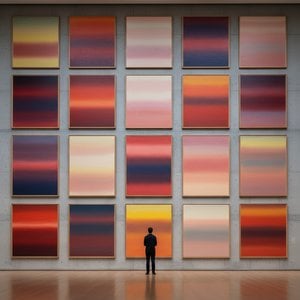
マーク・ロスコの傑作25選。抽象表現主義を代表する巨匠、色彩が織りなす深遠な世界を探求します。絵画の背景や技法、感動的なストーリーを紐解き、WahooArtで高品質なアートプリントをお楽しみください。リビングやオフィスにモダンアートを飾るなら!

 プレビュー
プレビュー
 シェアする
シェアする シェアする
シェアする
 詳細を見る
詳細を見る

 ダウンロード
 似ている作品
 X線調査
X線調査 スライドショー
 Stats
Stats 詳細を見る
詳細を見る









 ガラスオプションは、110cm未満のサイズでのみご利用いただけます。


