
迅速な制作と多彩な仕上げオプションを備えた、ミュージアムクオリティのジークレーまたはキャンバスプリント。 ( 手描きの絵画を購入 デジタル画像販売へ切り替え)





























作品のオリジナル比率に合わせた、当店の規定サイズからお選びください。

特定のフレームやスペースに合わせて、ご自身でサイズを指定することも可能です。選択されたサイズが元の画像の比率と一致しない場合、作品をトリミングするか、鏡面反射または単色での塗りつぶしによって画像を拡張いたします。制作を開始する前に、ご確認用のデジタルモックアップをお送りいたします。
画面上のプレビューには、実際のトリミングや拡張は反映されませんのでご注意ください。最終的な構図を正確に確認できるのは、モックアップのみとなります。
カスタムサイズも承っておりますが、元の比率を維持するためには、あらかじめ用意されたリストからサイズを選択することをお勧めいたします。

Schubert at the Piano
複製画のサイズ
Gustave Klimt's "Schubert at the Piano," painted in 1899, isn’t merely a portrait; it’s an immersive experience—a shimmering tableau capturing a fleeting moment of artistic intimacy within the heart of Vienna. This oil-on-canvas masterpiece transcends simple representation, embodying the spirit of the Art Nouveau movement and offering a profound glimpse into Klimt's unique ability to blend decorative artistry with deeply felt human emotion. The painting immediately draws the eye with its opulent use of gold leaf, a signature element that elevates the scene beyond the ordinary, transforming it into something almost dreamlike.
At first glance, the composition presents a seemingly simple scene: Franz Schubert, his head bowed in concentration as he plays the piano, surrounded by three elegantly dressed women. However, Klimt’s genius lies in the layering of visual elements and symbolic gestures. The upper half of the canvas explodes with an intricate, swirling pattern reminiscent of Art Nouveau—a stylized forest of golden forms that feels both organic and meticulously constructed. This decorative element isn't merely ornamentation; it represents the burgeoning artistic spirit of Vienna at the turn of the century, a period marked by innovation and a rejection of academic constraints. The lower half, conversely, is grounded in the tangible reality of Schubert’s performance, providing a counterpoint to the ethereal quality above.
Klimt's masterful brushwork contributes significantly to the painting’s evocative power. Loose, expressive strokes create a sense of movement and atmosphere, capturing the warmth of candlelight and the subtle nuances of musical expression. Notice how he renders Schubert’s hands—not with photographic realism but with a deliberate simplification that emphasizes their role as conduits for artistic creation. The women surrounding him are depicted with a similar blend of detail and abstraction; their faces are softened, almost dreamlike, while their clothing is richly textured and adorned with floral motifs – symbols of beauty, femininity, and perhaps even the fleeting nature of inspiration.
The inclusion of a clock in the background subtly introduces an element of time and reflection. It’s a reminder that this moment—this performance—is ephemeral, a precious fragment captured for posterity. Klimt's use of color is equally deliberate. The dominant gold leaf creates a sense of luxury and reverence, while contrasting blues and greens hint at the melancholic beauty often associated with Schubert’s music. The overall effect is one of harmonious tension – a balance between celebration and introspection.
"Schubert at the Piano" is inextricably linked to the Vienna Secession, an artistic movement that Klimt co-founded in 1897. This group sought to break free from the constraints of traditional art academies and embrace a more modern, expressive style. The Secession championed innovation, experimentation, and a rejection of conservative values – principles vividly reflected in Klimt’s work. Schubert himself was a pivotal figure in Viennese musical life, known for his deeply emotional and often poignant compositions. Klimt's portrayal captures not just the musician but also the spirit of a generation grappling with questions of identity, beauty, and artistic purpose.
Ultimately, "Schubert at the Piano" is a painting about connection—the shared experience of music, art, and human emotion. It’s a testament to Klimt's ability to distill complex feelings into a single, captivating image. The intimate setting, the focused gaze of Schubert, and the attentive presence of the women all contribute to a sense of quiet camaraderie. When you look at this painting, you don’t just see a portrait; you feel invited into a private moment—a glimpse into the soul of an artist and the beauty of a Viennese evening. A hand-painted reproduction allows you to bring this evocative masterpiece into your own space, fostering a connection with one of art history's most celebrated figures.


1862 - 1918 , オーストリア

Embark on a visual journey through the world's most radiant masterpieces. Discover how gold leaf, impasto textures, and gilded tones define luxury in fine art, from Byzantine icons to modern abstracts. Explore the eternal allure of gold in curated, museum-quality art collections.
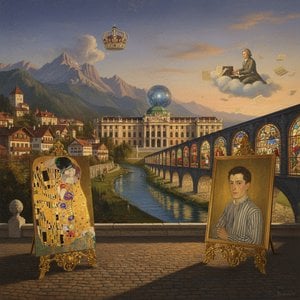
Embark on a sophisticated journey through Austrian art history. Explore the golden brilliance of Gustav Klimt and the elegance of the Vienna Secession through an expert lens, celebrating the enduring soul of Central European masterpieces.
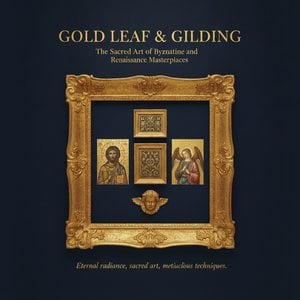
Explore the divine mastery of Byzantine gold leaf and gilding. Discover how ancient artisans used gold ground and mosaics to create celestial light, a timeless legacy of spiritual splendor and technical excellence in sacred art history.

Embark on a sophisticated journey through the splendor of Austrian art. From Gustav Klimt’s golden masterpieces to the elegance of the Viennese Secession, discover the history and symbolism behind Europe's most iconic works for the discerning collector.

Explore the profound impact of the Vienna Secession movement. Discover how visionaries like Gustav Klimt revolutionized modern art through symbolism, gold leaf, and bold ornamentation in this deep dive into the aesthetic revolution that redefined the visual landscape of Europe.


 プレビュー
プレビュー
 シェアする
シェアする シェアする
シェアする
 詳細を見る
詳細を見る

 ダウンロード
 似ている作品
 X線調査
X線調査 スライドショー
 統計情報
統計情報

 詳細を見る
詳細を見る









 ガラスオプションは、110cm未満のサイズでのみご利用いただけます。


