

当社のアーティストが、お客様のご希望のサイズと額縁に合わせて、キャンバスに手描きで制作する油彩画です。 ( プリント版に切り替え デジタル画像販売へ切り替え)





























作品のオリジナル比率に合わせた、当店の規定サイズからお選びください。

フレームや壁のスペースに合わせて、ご希望の幅と高さを入力してください。本作品は手描きのため、異なる比率のサイズをご希望の場合、絵画の周囲を少し広げて描くか、あるいは端を少しカットして調整することが可能です。お客様のご要望に合わせます。制作を開始する前に、仕上がりを確認するためのデジタルモックアップをお送りいたします。このページに表示されている画像は完成品の実物ではなく、あくまでモックアップによるイメージです。
Medicine (composition draft)
複製画サイズ一覧
Gustav Klimt’s “Medicine,” created in 1897, stands as a cornerstone of his Symbolist oeuvre and embodies the opulent aesthetic sensibilities characteristic of Art Nouveau. This enigmatic sketch—designated ‘Jusisprudenz’—offers a glimpse into Klimt's creative process and foreshadows the grandeur of his later masterpieces like *The Kiss*. It’s more than just an image; it’s a carefully constructed meditation on themes of life, death, and regeneration.
The artwork depicts a woman draped in crimson robes—a striking visual choice that immediately draws attention. Her posture exudes serenity and grace, yet she is crowned with a floral wreath, symbolizing fertility and divine protection. Surrounding her are figures representing angels and skeletons – a deliberate juxtaposition highlighting the duality of existence. Klimt’s masterful use of gold leaf lends an ethereal glow to the composition, elevating it beyond mere representation into a realm of symbolic significance.
Klimt's technique is instantly recognizable: he employs intricate patterns interwoven with textured surfaces achieved through cloisonné enamel—a method pioneered by Tiffany Studios in America. This painstaking process involved applying thin layers of metal foil onto a glass substrate, creating cells that were then filled with enamel pigment. The resulting surface possesses remarkable depth and luminosity, mirroring the spiritual richness conveyed by the artwork.
The inclusion of horses – one positioned prominently on the upper right corner and another centrally located—adds to the painting’s narrative complexity. Horses have historically symbolized strength, nobility, and divine power within European iconography. Their presence reinforces Klimt's exploration of mythological themes and contributes to the overall sense of grandeur.
"Medicine" emerged during a period of profound artistic upheaval in Vienna—the era of the Vienna Secession. Founded in 1897 by Klimt, Josef Maria Olbrich, and Emil Körner, the Secession rejected the conservative academic traditions dominating Viennese art circles. They championed individualism, experimentation, and a rejection of historical imitation.
This rebellious spirit is palpable in “Medicine,” which aligns perfectly with the Secession’s ethos. Klimt sought to express profound psychological truths through symbolic imagery—a departure from the idealized depictions favored by earlier generations of artists. The painting reflects the broader cultural anxieties surrounding mortality and rebirth prevalent at the time, cementing its place as a seminal work of Symbolist art.
"Medicine" captivates viewers with its harmonious blend of beauty and melancholy. The shimmering gold leaf creates an atmosphere of otherworldly splendor, while the juxtaposition of angelic figures and skeletons evokes contemplation on the cyclical nature of life and death. Klimt’s masterful composition invites introspection—encouraging us to consider our own place within the grand tapestry of existence.
A high-quality reproduction allows you to experience this artistic legacy firsthand. Meisterdrucke offers exceptional prints crafted with archival materials, ensuring that the brilliance of Klimt's vision endures for generations to come.
「Medicine (composition draft)」の明暗のコントラストはSereneと記録されています。コントラストとは、明るい部分と暗い部分がどの程度強く異なっているかを表す指標です。
グスタフ・クリムト作「Medicine (composition draft)」は、floral composition, female figure, symbolism, ornamental art, mythological elements, religious imagery, gold leaf detailとElegantな雰囲気を融合させています。
「Medicine (composition draft)」の作者であるグスタフ・クリムトには、他にクリムト, グスタフ, Gustav Klimt (カタカナ表記)といった名称でも記録されています。


1862 - 1918 , オーストリア
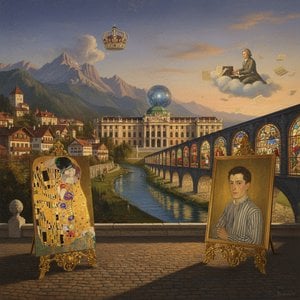
Embark on a sophisticated journey through Austrian art history. Explore the golden brilliance of Gustav Klimt and the elegance of the Vienna Secession through an expert lens, celebrating the enduring soul of Central European masterpieces.

Embark on a sophisticated journey through the splendor of Austrian art. From Gustav Klimt’s golden masterpieces to the elegance of the Viennese Secession, discover the history and symbolism behind Europe's most iconic works for the discerning collector.

Embark on a visual journey through the world's most radiant masterpieces. Discover how gold leaf, impasto textures, and gilded tones define luxury in fine art, from Byzantine icons to modern abstracts. Explore the eternal allure of gold in curated, museum-quality art collections.
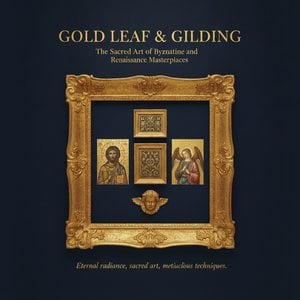
Explore the divine mastery of Byzantine gold leaf and gilding. Discover how ancient artisans used gold ground and mosaics to create celestial light, a timeless legacy of spiritual splendor and technical excellence in sacred art history.

Explore the profound impact of the Vienna Secession movement. Discover how visionaries like Gustav Klimt revolutionized modern art through symbolism, gold leaf, and bold ornamentation in this deep dive into the aesthetic revolution that redefined the visual landscape of Europe.

 設置イメージを確認
 送る
送る シェア
シェア
 詳細情報
詳細情報 ガイドを表示

 画像をダウンロード
 似ている作品
 X線調査
X線調査 スライドショー
 統計情報
統計情報
 続きを読む
続きを読む









 ガラスオプションは、110cm未満のサイズでのみご利用いただけます。


