


迅速な制作と多彩な仕上げオプションを備えた、ミュージアムクオリティのジークレーまたはキャンバスプリント。 ( 手描きの絵画を購入 画像を購入)





























作品のオリジナル比率に合わせた、当店の規定サイズからお選びください。

特定のフレームやスペースに合わせて、ご自身でサイズを指定することも可能です。選択されたサイズが元の画像の比率と一致しない場合、作品をトリミングするか、鏡面反射または単色での塗りつぶしによって画像を拡張いたします。制作を開始する前に、ご確認用のデジタルモックアップをお送りいたします。
画面上のプレビューには、実際のトリミングや拡張は反映されませんのでご注意ください。最終的な構図を正確に確認できるのは、モックアップのみとなります。
カスタムサイズも承っておりますが、元の比率を維持するためには、あらかじめ用意されたリストからサイズを選択することをお勧めいたします。

Kühe im Stall
複製画のサイズ
Gustav Klimt, a titan of Austrian Symbolism, is perhaps best known for his dazzling portraits and opulent use of gold leaf. However, ‘Kühe im Stall’ (Cows in the Barn) reveals a fascinating departure in his artistic journey – a move towards more grounded, pastoral subjects while retaining his signature expressive style. Painted later in his career, this oil painting offers a glimpse into Klimt's evolving interests and demonstrates his mastery beyond the realm of eroticism and portraiture.
‘Kühe im Stall’ depicts a tranquil barn interior populated by several cows, clustered together in a pen. The scene is bathed in subdued light, likely emanating from an unseen window, creating a sense of intimacy and enclosure. Klimt doesn't present a meticulously detailed representation; instead, he focuses on capturing the *essence* of rural life – the warmth of the animals, the texture of their coats, and the quiet stillness of the barn. The composition is dominated by horizontal lines—the wooden structure of the pen, the ground, and the bodies of the cows themselves—which contribute to a feeling of stability and peaceful containment.
While Klimt famously employed decorative patterns and gold leaf in many of his works, ‘Kühe im Stall’ showcases a more restrained palette and a looser brushstroke. The painting is executed in oil, allowing for rich color blending and textural depth. Klimt's characteristic style shines through in the expressive handling of paint; it isn’t about photographic accuracy but rather an emotional response to the scene. The visible brushwork imbues the canvas with a sense of movement and life, suggesting the gentle shifting of the animals within their enclosure.
Born in 1862, Gustav Klimt was a pivotal figure in the Vienna Secession movement, which rebelled against the conservative artistic establishment. Initially focused on historical and mythological subjects, his work gradually embraced more personal and symbolic themes, often exploring female sensuality. ‘Kühe im Stall’ represents a shift towards simpler, more naturalistic motifs. This change may reflect Klimt's desire to explore different facets of life or perhaps a response to the changing artistic landscape of the early 20th century.
The symbolism within ‘Kühe im Stall’ is subtle yet resonant. Cows, traditionally symbols of nourishment, abundance, and maternal care, evoke themes of rural life, labor, and connection to the land. The barn itself represents shelter, security, and a retreat from the outside world. The painting's muted colors and soft lighting contribute to a mood of quiet contemplation and peaceful serenity. It’s an artwork that invites viewers to slow down and appreciate the simple beauty of everyday life.
‘Kühe im Stall’ is more than just a depiction of cows in a barn; it's a testament to Klimt’s artistic genius and his ability to find beauty and meaning in the ordinary. It stands as a captivating example of his later work, offering a unique perspective on one of art history’s most celebrated masters.


1862 - 1918 , オーストリア

Explore the profound impact of the Vienna Secession movement. Discover how visionaries like Gustav Klimt revolutionized modern art through symbolism, gold leaf, and bold ornamentation in this deep dive into the aesthetic revolution that redefined the visual landscape of Europe.

Discover the profound allure of oil on canvas. Explore the mastery of impasto textures, the science of pigment longevity, and expert guides to selecting museum-quality reproductions that elevate your collection with timeless elegance and tactile depth.
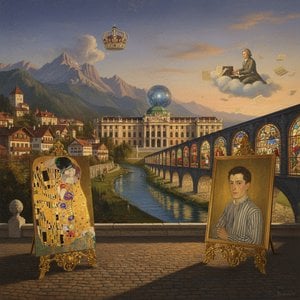
Embark on a sophisticated journey through Austrian art history. Explore the golden brilliance of Gustav Klimt and the elegance of the Vienna Secession through an expert lens, celebrating the enduring soul of Central European masterpieces.


 プレビュー
プレビュー
 シェアする
シェアする シェアする
シェアする
 詳細を見る
詳細を見る

 ダウンロード
 似ている作品
 X線調査
X線調査 スライドショー
 詳細を見る
詳細を見る









 ガラスオプションは、110cm未満のサイズでのみご利用いただけます。


