

スピーディーな制作と多彩な仕上げオプションが魅力の、ミュージアムクオリティなジークレー・キャンバスプリント。 ( 手描き複製画を注文する デジタル画像販売へ切り替え)





























作品のオリジナル比率に合わせた、当店の規定サイズからお選びください。

額縁や壁のスペースに合わせて、ご希望の幅と高さを入力してください。プリントはカットすることは可能ですが、元の画像より大きくすることはできないため、異なる比率のサイズを選択された場合は、画像の一部が欠けることになります。印刷を開始する前に、内容を確認していただくためのデジタルモックアップをお送りいたします。このページに表示されている画像は、実際のカット後の状態を示すものではありません。実際の仕上がりはモックアップにてご確認ください。
Judith02
複製画サイズ一覧
“Judith II (Salome)” was created in 1909 by Gustav Klimt in Art Nouveau (Modern) style. Find more prominent pieces of literary painting at Wikiart.org – best visual art database.
Gustav Klimt (14 July 1862 – 6 February 1918) was an Austrian symbolist painter and a founding member of the Vienna Secession movement. His work helped define the Art Nouveau style in Europe. Klimt is known for his paintings, murals, sketches, and other objets d'art. Klimt’s primary subject was the female body, and his works are marked by a frank eroticism. Amongst the artists of the Vienna Secession, Klimt was the most influenced by Japanese art and its methods.
Early in his career, he was a successful painter of architectural decorations in a conventional manner. As he began to develop a more personal style, his work was the subject of controversy that culminated when the paintings he completed around 1900 for the ceiling of the Great Hall of the University of Vienna were criticised as pornographic. He subsequently accepted no more public commissions, but achieved a new success with the paintings of his “golden phase”, many of which include gold leaf.
Klimt died in 1918, having suffered from a stroke and pneumonia. Since his death, Klimt’s paintings have brought some of the highest prices recorded for individual works of art at auction.
“Judith II” depicts Judith—a biblical figure who saved her people by seducing Holofernes—from the side. Klimt's masterful use of oil as the primary medium allows for rich textures and vibrant colors, bringing his vision to life. The painting is characterized by its decorative patterns, adding an opulent touch to the piece while highlighting its allegorical nature.
Klimt’s stylistic choices reflect the prevailing trends of Art Nouveau, prioritizing flowing lines, organic forms, and lavish ornamentation. He deliberately eschewed academic conventions in favor of a more expressive approach, embracing symbolism and eroticism as central elements of his artistic expression.
The painting’s dominant feature is Klimt's signature technique—the extensive application of gold leaf. This shimmering material wasn’t merely decorative; it represented spiritual illumination and divine grace, reflecting Klimt’s fascination with esoteric traditions.
The composition itself is carefully constructed to convey a sense of dynamism and tension. Klimt utilizes flattened planes and simplified forms to create an illusion of depth, emphasizing the contours of Judith's body and highlighting her gaze toward the horizon. The intricate geometric patterns on her dress serve as counterpoints to the flowing lines of her hair and scarf.
"Judith II" embodies Klimt’s exploration of female sexuality and vulnerability, capturing a moment of intense emotion—a blend of allure and apprehension. The artist skillfully portrays Judith's posture as she turns to face the viewer, conveying both confidence and unease.
The painting’s color palette is dominated by muted ochre tones, accented by flashes of crimson and gold. Klimt uses these hues to evoke feelings of passion and transgression, mirroring the narrative of Salome—the biblical tale of seduction and assassination—which served as inspiration for this iconic artwork.
Ultimately, “Judith II” transcends its biblical subject matter, becoming a timeless meditation on beauty, desire, and mortality. It remains one of Klimt’s most celebrated achievements, cementing his legacy as a pioneer of modern art.
グスタフ・クリムト作「Judith02」の閲覧統計ページでは、公開されている閲覧統計をご覧いただけます。この作品の月間閲覧数、アーティストのなかで最も閲覧されている作品との比較、そして訪問者の地域情報などが掲載されています。
「Judith02」のダウンロードが可能です。作品のデジタルイメージをダウンロードページにて高解像度デジタル画像のダウンロードいただけます。


1862 - 1918 , オーストリア

Embark on a sophisticated journey through the splendor of Austrian art. From Gustav Klimt’s golden masterpieces to the elegance of the Viennese Secession, discover the history and symbolism behind Europe's most iconic works for the discerning collector.

Explore the profound impact of the Vienna Secession movement. Discover how visionaries like Gustav Klimt revolutionized modern art through symbolism, gold leaf, and bold ornamentation in this deep dive into the aesthetic revolution that redefined the visual landscape of Europe.
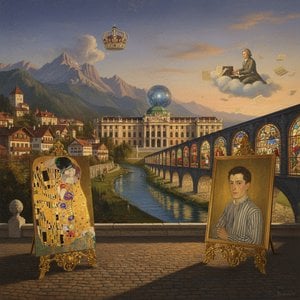
Embark on a sophisticated journey through Austrian art history. Explore the golden brilliance of Gustav Klimt and the elegance of the Vienna Secession through an expert lens, celebrating the enduring soul of Central European masterpieces.

Discover the enchanting world of Art Nouveau. Explore the flowing lines of Alphonse Mucha and learn how to integrate these timeless, organic masterpieces into your collection with expert guidance on fine art appreciation and preservation.

Discover the exquisite world of Art Nouveau. Explore the elegant fusion of nature and design through architectural masterpieces, organic forms, and the legendary masters of the Belle Époque. Immerse yourself in a journey of timeless sophistication and ornamental beauty.
 設置イメージを表示
 シェアする
シェアする シェアする
シェアする
 詳細を見る
詳細を見る ガイドを表示

 ダウンロード
 似ている作品
 X線調査
X線調査 スライドショーを表示
 Q&A
Q&A
 統計情報
統計情報

 詳細を表示
詳細を表示









 ガラスオプションは、110cm未満のサイズでのみご利用いただけます。


