

 Oil On CanvasWallArtArt Nouveau
 Modern
 181.0 x 67.0 cm
スピーディーな制作と多彩な仕上げオプションが魅力の、ミュージアムクオリティなジークレー・キャンバスプリント。 ( 手描きの複製画を注文する デジタル画像販売へ切り替え)





























作品のオリジナル比率に合わせた、当店の規定サイズからお選びください。

額縁や壁のスペースに合わせて、ご希望の幅と高さを入力してください。プリントはカットすることは可能ですが、元の画像より大きくすることはできないため、異なる比率のサイズを選択された場合は、画像の一部が欠けることになります。印刷を開始する前に、内容を確認していただくためのデジタルモックアップをお送りいたします。このページに表示されている画像は、実際のカット後の状態を示すものではありません。実際の仕上がりはモックアップにてご確認ください。
Goldfish
複製画サイズ一覧
In the pantheon of Symbolist masterpieces, few works capture the delicate intersection of intimacy and ornamentation as profoundly as Gustav Klimt’s “Goldfish.” Created during the dawn of the twentieth century, this breathtaking composition serves as a luminous gateway into the artist’s celebrated Golden Phase. At its heart, the painting presents a scene of profound tranquility: two women reclining amidst a sea of rich, textured fabrics, their forms intertwined in a moment of quiet repose. The atmosphere is one of dreamlike suspension, where the boundaries between the physical world and a psychological landscape begin to dissolve. For the discerning collector or interior designer, this piece offers more than mere decoration; it provides a focal point of meditative beauty that can transform a space into a sanctuary of contemplation.
The visual narrative is masterfully constructed through a delicate balance of movement and stillness. While the figures appear caught in a state of eternal rest, there is a subtle, rhythmic energy flowing through the canvas. The gaze of the woman on the left, directed downward toward the shimmering aquatic life beneath the linens, invites the viewer to participate in her introspection. This downward focus suggests a descent into the subconscious, a hallmark of Klimt’s Symbolist intent. The presence of smaller, ethereal figures scattered throughout the composition adds layers of mystery, suggesting that this is not merely a domestic scene, but a cosmic tableau where every element—from the swirling patterns to the golden scales—is imbued with spiritual significance.
To behold “Goldfish” is to witness Klimt’s unparalleled mastery of texture and light. The painting is a triumph of technique, characterized by the meticulous application of gold leaf that catches the light from every angle, creating an ever-shifting, iridescent glow. This use of precious metal does not merely decorate the surface; it elevates the subject matter, turning a private moment into something sacred and monumental. The artist’s process—a laborious layering of underdrawings, translucent washes, and burnished gold—results in a tactile depth that makes the canvas feel alive. For those seeking to incorporate such opulence into a curated interior, the painting offers a unique way to introduce warmth, luxury, and a sense of historical grandeur.
The stylistic language of the work is deeply rooted in the Art Nouveau movement, yet it transcends the era's typical floral motifs through its profound emotional weight. The interplay between the organic curves of the female forms and the geometric, almost mosaic-like patterns of the surrounding environment creates a captivating tension. This duality—the soft flesh against the rigid brilliance of the gold—mirrors the human condition itself: the vulnerability of life set against the eternal, unchanging nature of art. As an investment in a high-quality reproduction, “Goldfish” brings with it this rich tapestry of meaning, offering an enduring elegance that complements both classical and contemporary aesthetic environments.
Beyond its visual splendor, “Goldfish” resonates through its deep symbolic resonance. The goldfish themselves act as metaphors for the soul—vibrant, fluid, and navigating the hidden depths of existence. Klimt utilizes these creatures to bridge the gap between the tangible world of the reclining figures and the intangible realm of thought and emotion. This thematic depth ensures that the artwork remains intellectually stimulating long after its initial visual impact has been felt. It is a piece that rewards repeated viewing, revealing new nuances in its golden swirls and shadowed recesses each time the light hits it.
For the art lover, owning a piece inspired by this era is an opportunity to possess a fragment of the Vienna Secession spirit. Whether placed in a sunlit gallery or a sophisticated study, the painting radiates a sense of peace and hidden complexity. It serves as a reminder that beauty, much like the golden scales of a fish, can be found in the most quiet and introspective moments of our lives. In the realm of fine art reproduction, capturing the shimmering essence of Klimt’s vision allows for the infusion of timeless sophistication into any modern living space.


1862 - 1918 , オーストリア
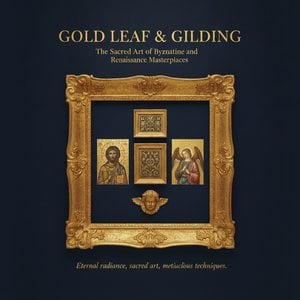
Explore the divine mastery of Byzantine gold leaf and gilding. Discover how ancient artisans used gold ground and mosaics to create celestial light, a timeless legacy of spiritual splendor and technical excellence in sacred art history.

Embark on a sophisticated journey through the splendor of Austrian art. From Gustav Klimt’s golden masterpieces to the elegance of the Viennese Secession, discover the history and symbolism behind Europe's most iconic works for the discerning collector.

Explore the profound impact of the Vienna Secession movement. Discover how visionaries like Gustav Klimt revolutionized modern art through symbolism, gold leaf, and bold ornamentation in this deep dive into the aesthetic revolution that redefined the visual landscape of Europe.
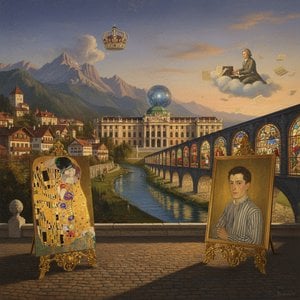
Embark on a sophisticated journey through Austrian art history. Explore the golden brilliance of Gustav Klimt and the elegance of the Vienna Secession through an expert lens, celebrating the enduring soul of Central European masterpieces.

Embark on a visual journey through the world's most radiant masterpieces. Discover how gold leaf, impasto textures, and gilded tones define luxury in fine art, from Byzantine icons to modern abstracts. Explore the eternal allure of gold in curated, museum-quality art collections.

 設置イメージを確認
 送る
送る シェア
シェア
 詳細情報
詳細情報 ガイドを表示

 画像をダウンロード
 似ている作品
 X線調査
X線調査 スライドショー
 統計情報
統計情報 続きを読む
続きを読む









 ガラスオプションは、110cm未満のサイズでのみご利用いただけます。


