
当社のアーティストが、お客様のご希望のサイズと額縁に合わせて、キャンバスに手描きで制作する油彩画です。 ( プリント版に切り替え デジタル画像販売へ切り替え)





























作品のオリジナル比率に合わせた、当店の規定サイズからお選びください。

特定のフレームやスペースに合わせて、ご希望のサイズをご入力いただけます。選択されたサイズが元の画像の比率と異なる場合、アートワークをトリミングするか、手描きで要素を追加して絵画を拡張いたします。デジタルモックアップ を制作し、制作開始前にご確認(承認)をいただきます。
画面上のプレビューは、実際のトリミングや拡張を正確に反映しているものではありません。最終的な構図は、モックアップによってのみ正確にご確認いただけます。
カスタムサイズもご利用いただけますが、元の比率を維持するためには、あらかじめ用意されたリストからサイズを選択することをお勧めいたします。

Fulfillment1
複製画のサイズ
Gustav Klimt's *Fulfillment I*, painted between 1907 and 1908, isn’t merely a depiction of two figures; it’s an immersion into the heart of Symbolism, a shimmering portal to the complexities of human desire and the pursuit of wholeness. This captivating work, rendered in Klimt's signature style—a dazzling fusion of decorative patterns and raw emotion—immediately draws the viewer into its opulent world. The painting showcases a standing male figure and a reclining female nude, enveloped within an intricate tapestry of gold leaf, geometric shapes, and organic motifs, all set against what appears to be a stylized forest backdrop. It’s a scene both intensely personal and universally resonant, prompting questions about love, union, and the very nature of fulfillment itself.
Klimt was a pivotal figure in Vienna Secession, a movement that deliberately rejected the rigid conventions of academic art and sought to forge a new path rooted in Symbolism. This rejection manifested in his bold use of color, particularly gold – a material he associated with divinity, wealth, and eternity. The lavish application of gold leaf isn’t simply decorative; it elevates the figures, transforming them into almost mythical beings, imbued with an ethereal quality that transcends the earthly realm. The patterns themselves—squares, circles, spirals—are not arbitrary; they represent the interplay between masculine and feminine energies, order and chaos, intellect and emotion – a visual language deeply embedded in Klimt’s artistic philosophy.
Interpreting *Fulfillment I* is an exercise in layered symbolism. While art historians have offered various interpretations, the painting's ambiguity is precisely what makes it so compelling. One prevalent theory suggests a representation of physical love and the union of two souls – a harmonious merging of individualities into a single entity. The reclining female figure, often interpreted as representing receptivity and surrender, contrasts with the standing male, embodying strength and protection. However, Klimt’s work consistently resists easy categorization. The intricate patterns surrounding them can be seen as symbolizing the complexities of life itself – the interwoven threads of experience, joy, sorrow, and ultimately, the search for meaning.
Furthermore, the forest setting adds another layer of interpretation. Forests have long been associated with mystery, transformation, and the subconscious mind. It’s a space where boundaries blur, and the familiar gives way to the unknown. The figures within this symbolic landscape seem poised on the threshold of something profound, suggesting a journey of self-discovery and emotional reckoning.
Gustav Klimt’s *Fulfillment I* stands as a cornerstone of his “Golden Phase,” a period marked by an unprecedented use of gold leaf and a heightened focus on decorative elements. This phase, which culminated in monumental murals for the University of Vienna and the Stoclet Palace in Brussels, solidified Klimt's reputation as one of the most innovative and influential artists of the early 20th century. His work profoundly influenced subsequent generations of artists, including Art Nouveau designers and Expressionist painters.
Beyond its aesthetic beauty, *Fulfillment I* offers a glimpse into the anxieties and aspirations of a rapidly changing world. The painting’s exploration of themes like love, desire, and the human condition continues to resonate with audiences today, demonstrating Klimt's enduring relevance as an artist who captured the essence of his time while simultaneously transcending its limitations. At WahooArt.com, you can acquire a stunning, hand-painted reproduction of *Fulfillment I*, bringing this masterpiece into your own space and allowing you to contemplate its timeless beauty and profound symbolism.
WahooArt offers meticulously crafted, hand-painted reproductions of Gustav Klimt’s *Fulfillment I*, capturing the artist's exquisite detail and vibrant color palette. Our reproductions are available in a range of sizes to suit your individual needs and preferences, using high-quality materials that faithfully replicate the original painting’s texture and luminosity. Beyond our reproductions, we encourage you to delve deeper into Klimt’s artistic world by exploring his other iconic works, such as *The Kiss*, and researching the broader context of Vienna Secession.
For further insights, consider visiting The Royal Museums of Fine Arts of Belgium in Brussels, where an extensive collection of Klimt's work awaits your exploration. You can also discover fascinating details about the painting’s creation through supplementary research materials available on platforms like WahooArt.com and Google Arts & Culture.


1862 - 1918 , オーストリア

Embark on a sophisticated journey through the splendor of Austrian art. From Gustav Klimt’s golden masterpieces to the elegance of the Viennese Secession, discover the history and symbolism behind Europe's most iconic works for the discerning collector.
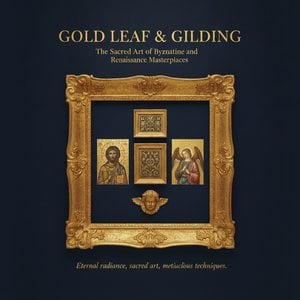
Explore the divine mastery of Byzantine gold leaf and gilding. Discover how ancient artisans used gold ground and mosaics to create celestial light, a timeless legacy of spiritual splendor and technical excellence in sacred art history.

Explore the profound impact of the Vienna Secession movement. Discover how visionaries like Gustav Klimt revolutionized modern art through symbolism, gold leaf, and bold ornamentation in this deep dive into the aesthetic revolution that redefined the visual landscape of Europe.

Embark on a visual journey through the world's most radiant masterpieces. Discover how gold leaf, impasto textures, and gilded tones define luxury in fine art, from Byzantine icons to modern abstracts. Explore the eternal allure of gold in curated, museum-quality art collections.
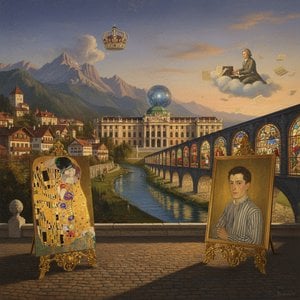
Embark on a sophisticated journey through Austrian art history. Explore the golden brilliance of Gustav Klimt and the elegance of the Vienna Secession through an expert lens, celebrating the enduring soul of Central European masterpieces.


 プレビュー
プレビュー
 シェアする
シェアする シェアする
シェアする
 詳細を見る
詳細を見る ガイド
ガイド

 ダウンロード
 似ている作品
 X線調査
X線調査 スライドショー
 統計情報
統計情報

 詳細を見る
詳細を見る









 ガラスオプションは、110cm未満のサイズでのみご利用いただけます。


