
当社のアーティストが、お客様のご希望のサイズと額縁に合わせて、キャンバスに手描きで制作する油彩画です。 ( プリント版に切り替え デジタル画像販売へ切り替え)





























作品のオリジナル比率に合わせた、当店の規定サイズからお選びください。

特定のフレームやスペースに合わせて、ご希望のサイズをご入力いただけます。選択されたサイズが元の画像の比率と異なる場合、アートワークをトリミングするか、手描きで要素を追加して絵画を拡張いたします。デジタルモックアップ を制作し、制作開始前にご確認(承認)をいただきます。
画面上のプレビューは、実際のトリミングや拡張を正確に反映しているものではありません。最終的な構図は、モックアップによってのみ正確にご確認いただけます。
カスタムサイズもご利用いただけますが、元の比率を維持するためには、あらかじめ用意されたリストからサイズを選択することをお勧めいたします。

Female Dancer with Bent Arm (Study for
複製画のサイズ
Gustav Klimt's "Female Dancer with Bent Arm," created in 1908, is more than just a preparatory sketch; it’s a concentrated distillation of the artist’s burgeoning vision for his iconic series of paintings exploring female sexuality and the mysteries of the human psyche. This intimate study, rendered in charcoal on paper, offers a tantalizing glimpse into the process by which Klimt constructed one of the most recognizable images in modern art – a figure poised between vulnerability and power, draped in shimmering gold and imbued with an almost otherworldly beauty.
The drawing itself is remarkably detailed, showcasing Klimt’s meticulous observation of form and his burgeoning mastery of line. The woman's pose—a slight bend at the elbow, her hand resting lightly on her hip—immediately conveys a sense of contained energy, a subtle tension that hints at both movement and stillness. Notice the careful rendering of the folds in her dress, the delicate suggestion of jewelry – particularly the prominent necklace – and the expressive curve of her neck. These details weren’t merely decorative; they were integral to Klimt's exploration of surface as texture, light as color, and form as a shimmering, almost hallucinatory experience.
“Female Dancer with Bent Arm” exists within a pivotal moment in Viennese art history. 1908 marked a year of intense creative activity for Klimt, culminating in the completion of "Adele," the first painting in his *Goldener Reiter* series. This study provides invaluable insight into the evolution of that larger work. The drawing anticipates many of the visual motifs present in “Adele”—the lavish use of gold leaf, the stylized depiction of the female form, and the symbolic integration of decorative elements within a narrative framework. It also reflects the broader context of the Vienna Secession, an artistic movement challenging the conservative academic traditions of the time.
The Secession, founded in 1897, sought to break free from established norms and embrace a more modern, expressive approach to art. Klimt was a key figure within this group, alongside artists like Egon Schiele and Otto Wagner. Their work rejected traditional subject matter and techniques, favoring bold colors, flattened perspectives, and decorative patterns—a deliberate departure from the historical realism that dominated the art world.
The use of gold is, of course, paramount. Klimt’s fascination with gold stemmed from his father's profession as a gold engraver, imbuing him with an appreciation for its luxurious texture and symbolic weight. In this drawing, gold isn’t merely applied superficially; it represents wealth, divinity, and the transformative power of beauty. The necklace, a prominent feature, likely symbolizes protection, allure, or perhaps even the burden of societal expectations placed upon women.
The woman's pose itself is laden with symbolism. Her slightly bent arm suggests a moment of introspection, a pause in movement before returning to action. Her gaze, though not explicitly rendered, is implied—a direct address to the viewer, inviting us into her world and prompting questions about her identity and desires. The overall composition evokes a sense of timelessness, suggesting that this figure embodies an eternal archetype of feminine grace and mystery.
WahooArt offers meticulously crafted hand-painted reproductions of “Female Dancer with Bent Arm,” allowing you to experience the full impact of Klimt's genius in your own space. Our artists replicate the drawing’s intricate details, capturing the subtle nuances of line and texture that define Klimt’s unique style. Whether adorning a gallery wall or serving as a focal point in an interior design scheme, this reproduction will bring a touch of Viennese elegance and profound artistic contemplation to your surroundings. Explore our selection today and own a piece of art history.


1862 - 1918 , オーストリア
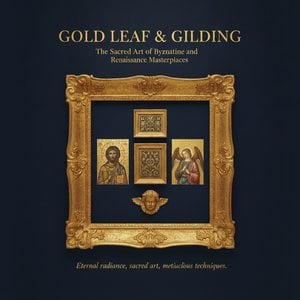
Explore the divine mastery of Byzantine gold leaf and gilding. Discover how ancient artisans used gold ground and mosaics to create celestial light, a timeless legacy of spiritual splendor and technical excellence in sacred art history.

Elevate your artistic practice with this expert guide to mastering the line. Discover advanced techniques in graphite, charcoal, and contour drawing designed for art students seeking technical precision and expressive depth in their fine art studies.

Discover the exquisite world of Art Nouveau. Explore the elegant fusion of nature and design through architectural masterpieces, organic forms, and the legendary masters of the Belle Époque. Immerse yourself in a journey of timeless sophistication and ornamental beauty.

Embark on a visual journey through the world's most radiant masterpieces. Discover how gold leaf, impasto textures, and gilded tones define luxury in fine art, from Byzantine icons to modern abstracts. Explore the eternal allure of gold in curated, museum-quality art collections.

Explore the profound artistry of graphite drawing. Discover professional techniques for mastering depth, texture, and detail through a lens of art history, from classical sketches to modern masterpieces. Elevate your understanding of the pencil medium with our expert guide.


 プレビュー
プレビュー
 シェアする
シェアする シェアする
シェアする
 詳細を見る
詳細を見る ガイド
ガイド

 ダウンロード
 似ている作品
 X線調査
X線調査 スライドショー
 統計情報
統計情報


 詳細を見る
詳細を見る









 ガラスオプションは、110cm未満のサイズでのみご利用いただけます。


