Exploring the Serene Beauty of Gustav Klimt’s ‘Sumpf Der’
Gustav Klimt's 'Sumpf Der,' or ‘The Swamp,’ stands as a quintessential emblem of Austrian Symbolism, capturing not merely a landscape but an intricate tapestry woven with psychological depth and artistic innovation. Painted in 1907 during Klimt’s prolific period—a time marked by experimentation and collaboration—this artwork transcends the simple depiction of water and foliage; it invites contemplation on themes of fertility, transformation, and the subconscious mind. The painting's allure lies partly in its masterful execution, utilizing Klimt’s signature technique of gold leaf appliqué – a bold departure from academic conventions that cemented his reputation as one of the most distinctive artists of his era.
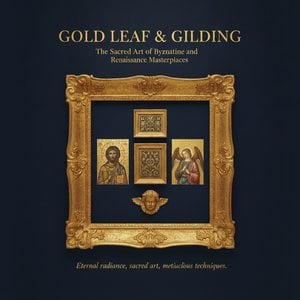
- Style & Technique: Klimt’s approach was firmly rooted in Art Nouveau, yet he pushed beyond its decorative tendencies toward a more profound expressive quality. He employed a cloisonné enamel technique, meticulously layering gold leaf onto panels of wood and canvas to create shimmering surfaces that seemed to emanate an inner luminescence. This painstaking process demanded considerable skill and patience, resulting in textures that are both tactile and visually arresting.
- Historical Context: The painting emerged from Vienna’s vibrant artistic milieu—a city brimming with intellectual ferment and grappling with anxieties surrounding societal change. Klimt was part of a collective known as Die Brücke (“The Bridge”), alongside Ernst Ludwig Kirchner, Erich Heckel, Karl Schmidt-Rottluff, and Emil Nolde – artists who sought to break free from traditional artistic restraints and express the raw emotions of their time.
Symbolism & Imagery:
The swamp itself is laden with symbolic significance. Representing the fertile womb of nature—a potent metaphor for rebirth and regeneration—it embodies Klimt’s fascination with primal forces and the hidden realms of human emotion. The path leading to the water symbolizes a journey inward, an exploration of one's own psyche. The solitary bird soaring above represents aspiration and freedom, yet its placement suggests vulnerability amidst the expansive landscape. These elements converge to create a scene that is both tranquil and subtly unsettling—a reflection of Klimt’s preoccupation with confronting anxieties about mortality and embracing the transformative power of experience.
Emotional Impact:
‘Sumpf Der’ resonates deeply with viewers due to its ability to evoke feelings of serenity alongside contemplation. The shimmering gold leaf imbues the artwork with an aura of ethereal beauty, transporting the observer to a realm beyond the mundane. Klimt's masterful use of color—primarily muted greens and browns contrasted against brilliant gold—further enhances this emotional resonance. It’s a piece that encourages introspection, prompting viewers to consider questions about life, death, and the enduring mysteries of existence.
- Interior Design Considerations: A hand-painted reproduction of ‘Sumpf Der’ would bring an element of opulent elegance into any space—particularly living rooms or hallways. Its rich textures and luminous gold leaf create a captivating focal point, complementing contemporary palettes with warmth and sophistication.
Ultimately, Gustav Klimt's 'Sumpf Der' remains a testament to the transformative potential of art – an invitation to engage with beauty, symbolism, and the profound depths of human consciousness. Its enduring appeal speaks to our innate desire for connection with nature and with the unspoken truths that lie beneath the surface of everyday life.