

当社のアーティストが、お客様のご希望のサイズと額縁に合わせて、キャンバスに手描きで制作する油彩画です。 ( プリント版に切り替え デジタル画像販売へ切り替え)





























作品のオリジナル比率に合わせた、当店の規定サイズからお選びください。

特定のフレームやスペースに合わせて、ご希望のサイズをご入力いただけます。選択されたサイズが元の画像の比率と異なる場合、アートワークをトリミングするか、手描きで要素を追加して絵画を拡張いたします。デジタルモックアップ を制作し、制作開始前にご確認(承認)をいただきます。
画面上のプレビューは、実際のトリミングや拡張を正確に反映しているものではありません。最終的な構図は、モックアップによってのみ正確にご確認いただけます。
カスタムサイズもご利用いただけますが、元の比率を維持するためには、あらかじめ用意されたリストからサイズを選択することをお勧めいたします。

Bride, The(unfinished)
複製画サイズ一覧
Gustav Klimt's The Bride (Unfinished), created between 1917 and 1918, stands as a poignant testament to the artist’s final creative period. Left incomplete at his death, this large-scale artwork offers a captivating glimpse into Klimt's evolving style and allegorical explorations. It is more than just an unfinished painting; it's a window into the mind of one of Austria's most celebrated artists.
The composition of The Bride (Unfinished) is complex and intriguing, featuring multiple women in various poses. The central figure, a woman reclining with her head turned away from the viewer, exudes an air of mystery and introspection. She is surrounded by other women—some standing, others seated—creating a layered arrangement that draws the eye deeper into the scene. Objects like a clock on the wall and a vase near one of the figures add to the painting's depth and symbolic richness. Two bowls positioned within the composition further enhance its complexity, suggesting themes of abundance and perhaps even cyclical life.
The symbolism embedded within the artwork remains open to interpretation, characteristic of Klimt’s style. The reclining bride could represent fertility, marriage, or a transition into womanhood. The surrounding figures might symbolize aspects of her inner world—desires, memories, or societal expectations. The clock hints at the passage of time and the fleeting nature of existence, while the vase may allude to creativity and inspiration.
Klimt’s artistic style was a unique blend of Symbolism and Art Nouveau, characterized by its decorative richness and psychological depth. He drew inspiration from various sources, including ancient Egyptian and Byzantine art, evident in the stylized figures and intricate patterns. His use of gold leaf, a signature element of his "Golden Phase," adds a luminous quality to the painting, enhancing its otherworldly atmosphere.
The Bride (Unfinished) showcases Klimt’s evolving style towards Expressionism. While retaining his characteristic decorative elements, the composition feels more densely packed and emotionally charged than some of his earlier works. The unfinished state allows us to see the artist's process—the underdrawing, the layering of paint—providing a rare glimpse into his creative method.
Created during the early 20th century, a period marked by significant shifts in artistic styles, The Bride (Unfinished) reflects this changing landscape. The rise of modern movements like Fauvism, Cubism, and Surrealism challenged traditional approaches to art, and Klimt’s work, while rooted in established techniques, demonstrates an innovative spirit that paved the way for future generations of artists.
Klimt's position within the Vienna Secession movement further contextualizes this artwork. The Secession aimed to break away from conservative artistic traditions and embrace new forms of expression, making Klimt’s exploration of symbolism and sensuality particularly relevant to his time.


1862 - 1918 , オーストリア

Explore the profound impact of the Vienna Secession movement. Discover how visionaries like Gustav Klimt revolutionized modern art through symbolism, gold leaf, and bold ornamentation in this deep dive into the aesthetic revolution that redefined the visual landscape of Europe.
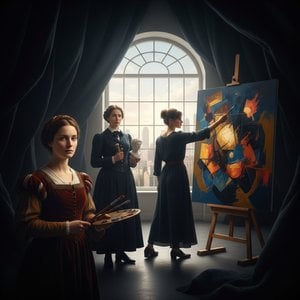
美術史の影に隠されてきた女性アーティストたちの真の才能と情熱を再発見しませんか?メアリー・カサットやフリーダ・カーロなど、時代に抗い名画を残した先駆者たちの足跡を辿ります。WahooArtは、世界中の傑作を高品質な油彩複製画としてお届けするアートの専門家です。歴史的な文脈とともに、彼女たちが現代のアートシーンに与えた深い影響と、美しき再発見の旅へと皆様をご案内します。

Discover the enchanting world of Art Nouveau. Explore the flowing lines of Alphonse Mucha and learn how to integrate these timeless, organic masterpieces into your collection with expert guidance on fine art appreciation and preservation.

Explore the profound resurgence of female masters Artemisia Gentileschi and Berthe Morisot. Discover how their revolutionary use of light, shadow, and intimacy redefined art history and continues to inspire sophisticated modern collections.

Discover the exquisite world of Art Nouveau. Explore the elegant fusion of nature and design through architectural masterpieces, organic forms, and the legendary masters of the Belle Époque. Immerse yourself in a journey of timeless sophistication and ornamental beauty.

 設置イメージを確認
 送る
送る シェア
シェア
 詳細情報
詳細情報 ガイドを表示

 画像をダウンロード
 似ている作品
 X線調査
X線調査 スライドショー
 統計情報
統計情報

 続きを読む
続きを読む









 ガラスオプションは、110cm未満のサイズでのみご利用いただけます。


