
当社のアーティストが、お客様のご希望のサイズと額縁に合わせて、キャンバスに手描きで制作する油彩画です。 ( プリント版に切り替え デジタル画像販売へ切り替え)
作品のオリジナル比率に合わせた、当店の規定サイズからお選びください。

特定のフレームやスペースに合わせて、ご希望のサイズをご入力いただけます。選択されたサイズが元の画像の比率と異なる場合、アートワークをトリミングするか、手描きで要素を追加して絵画を拡張いたします。デジタルモックアップ を制作し、制作開始前にご確認(承認)をいただきます。
画面上のプレビューは、実際のトリミングや拡張を正確に反映しているものではありません。最終的な構図は、モックアップによってのみ正確にご確認いただけます。
カスタムサイズもご利用いただけますが、元の比率を維持するためには、あらかじめ用意されたリストからサイズを選択することをお勧めいたします。

Statue der Venus
複製画のサイズ
Within the opulent halls of Potsdam’s Bildergalerie, nestled amongst a constellation of classical sculptures commissioned by Frederick II of Prussia, stands a singular work – the Statue of Venus. More than merely a representation of the Roman goddess, this sculpture embodies an exquisite synthesis of artistic skill, historical reference, and profound symbolism, offering a captivating glimpse into the Enlightenment era’s fascination with beauty and mythology.
The story of Venus begins not in Rome itself, but in Lyon, France, where Guillaume Coustou the Elder (1677-1746), a master sculptor deeply rooted in the traditions of his family’s artistic legacy, meticulously brought this iconic figure to life. Coustou, a man who initially rejected the rigid constraints of the Roman Academy, forged his own path, ultimately returning to Paris and securing a place amongst the most celebrated sculptors of his time. Commissioned by Frederick II in 1755, the statue was a deliberate addition to a broader program designed to showcase the gallery’s collection as a testament to artistic knowledge and the enduring power of classical ideals. The sculpture's completion in 1771 marked a significant moment, finally uniting all four commissioned statues within Potsdam’s grand setting.
Coustou’s Venus is not a depiction of overt sensuality; rather, it presents an image of serene beauty and contemplative grace. The statue portrays the goddess standing with her arms outstretched, delicately holding a cloth – a subtle nod to the act of unveiling or revealing. Her pose, reminiscent of depictions in classical Greek sculpture, particularly the famed *Venus Pudica* type (the “modest Venus”), is both dynamic and poised. The drapery, meticulously carved with an understanding of light and shadow, clings to her form, emphasizing the curves of her body while simultaneously concealing much of it. The marble itself, sourced from Parian Island, possesses a luminous quality that enhances the statue’s ethereal presence. Close examination reveals the artist's mastery—the subtle variations in texture, the delicate folds of fabric, and the lifelike expression captured in her face all speak to Coustou’s exceptional skill.
The choice of Venus as a subject within Frederick II's Bildergalerie was no accident. Venus represents not only beauty but also love, fertility, and the very essence of artistic inspiration. The statue’s placement within this context underscores the Prussian monarchy’s belief in art as a means of cultivating knowledge, refining taste, and elevating society. Furthermore, the sculpture directly references the famous myth of Paris and Aphrodite – Venus's Roman name – where she receives the golden apple of discord from Paris, symbolizing her victory in the beauty contest that sparked the Trojan War. This narrative element imbues the statue with layers of historical and mythological significance, reminding viewers of the enduring power of love and its potential to inspire both creation and conflict.
Today, reproductions of this captivating sculpture continue to grace interiors worldwide, offering a timeless reminder of the pursuit of beauty, artistic excellence, and the profound influence of classical mythology. Its elegant form and evocative symbolism make it a cherished addition to any collection or space seeking an air of refined sophistication.


1716 - 1777 , フランス

Explore the rich history of sculpture from ancient masterpieces to contemporary innovations. Discover key techniques, influential artists & investment potential for discerning art collectors.
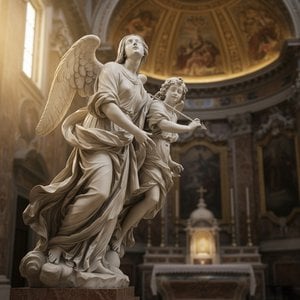
Explore the life & revolutionary art of Gian Lorenzo Bernini, the master sculptor of the Baroque era. Discover his iconic works like David and Ecstasy of Saint Teresa – a journey into Roman artistic genius.

Journey through art history with our Top 10 bronze sculptures! Explore masterpieces by Rodin, Michelangelo & more. Discover stories behind iconic statues and find museum-quality reproductions for your home decor at WahooArt.com.

Explore the rich history of sculpture with WahooArt. Discover key techniques, influential artists & investment potential for discerning collectors. Expert insights into valuing and collecting timeless masterpieces.

Journey through art history with 10 legendary bronze sculptures – from Michelangelo's David to Rodin’s Thinker. Explore the stories, techniques & timeless beauty of these masterpieces. Find museum-quality reproductions & elevate your home decor on WahooArt.com.


 シェアする
シェアする シェアする
シェアする
 詳細を見る
詳細を見る

 ダウンロード
 似ている作品
 スライドショー
 統計情報
統計情報


 詳細を見る
詳細を見る






































 ガラスオプションは、110cm未満のサイズでのみご利用いただけます。


