

 Acrylic On CanvasWallArtDocumentary Street Photography
 194819th Century
 11.0 x 11.0 cm
 The Gordon Parks Foundation
スピーディーな制作と多彩な仕上げオプションが魅力の、ミュージアムクオリティなジークレー・キャンバスプリント。 ( 手描きの複製画を注文する デジタル画像販売へ切り替え)





























作品のオリジナル比率に合わせた、当店の規定サイズからお選びください。

特定のフレームやスペースに合わせて、ご自身でサイズを指定することも可能です。選択されたサイズが元の画像の比率と一致しない場合、作品をトリミングするか、鏡面反射または単色での塗りつぶしによって画像を拡張いたします。制作を開始する前に、ご確認用のデジタルモックアップをお送りいたします。
画面上のプレビューには、実際のトリミングや拡張は反映されませんのでご注意ください。最終的な構図を正確に確認できるのは、モックアップのみとなります。
カスタムサイズも承っておりますが、元の比率を維持するためには、あらかじめ用意されたリストからサイズを選択することをお勧めいたします。

Untitled, Harlem, New York
複製画サイズ一覧
Gordon Parks' "Untitled, Harlem, New York," a black and white photograph from 1948, isn’t merely a snapshot of a baseball game; it’s a carefully constructed observation of urban life, imbued with layers of social commentary and a poignant sense of distance. The image captures three men engaged in an impromptu game on a Harlem street, framed by the unexpected presence of a window or doorway – a device that immediately draws the viewer into the scene as a silent observer, much like those peering through the frame. This framing technique is crucial to understanding the photograph’s deeper meaning; it subtly suggests a commentary on voyeurism and the relationship between the observed and the observer, inviting us to contemplate our own role in witnessing everyday moments.
Parks' masterful use of monochrome elevates the image beyond simple documentation. The absence of color forces us to focus entirely on tonal variations – the subtle gradations of grey that define light and shadow, revealing textures and forms with remarkable clarity. The rough surface of the street, the polished metal of passing cars, and even the fabric of the players’ clothing are rendered with a tactile quality, grounding the scene in a tangible reality. The chalk markings on the ground, seemingly casual additions, provide a delightful counterpoint to the more structured lines of the architecture, hinting at a vibrant, lived-in environment.
Born in 1912 in Fort Scott, Kansas, Gordon Parks’ early life was profoundly shaped by segregation. This experience undoubtedly informed his artistic vision, leading him to become one of the first African Americans to work for both Life and Vogue magazines. “Untitled, Harlem, New York” is a prime example of his documentary style – a commitment to capturing authentic moments of everyday life without embellishment or judgment. The photograph offers a glimpse into the rhythms of Harlem in the 1940s, a period of significant social and cultural change for African Americans in America.
Parks’ work during this era often focused on portraying the realities faced by marginalized communities. While seemingly simple, the scene depicted here speaks volumes about resilience and community spirit. The casual game of baseball represents a brief respite from the challenges of urban life, a moment of shared joy and connection amidst the complexities of the city.
The photograph’s composition is remarkably dynamic, driven by strong diagonal lines created by the framing device. These lines intersect with horizontal elements – the street, the cars, and even the chalk markings – creating a sense of movement and visual tension. The figures in front of the frame, looking into the scene, further emphasize this layered perspective, inviting us to consider our own position as viewers.
Parks’ use of light is equally deliberate. It's diffused and natural, suggesting an overcast day or indirect sunlight, lending a timeless quality to the image. The soft shadows create a sense of intimacy while highlighting the textures of the scene. The careful manipulation of light and shadow contributes significantly to the photograph’s emotional impact, evoking a feeling of nostalgia and prompting reflection on the passage of time.
"Untitled, Harlem, New York" stands as a testament to Gordon Parks’ extraordinary talent for capturing the essence of human experience. It is more than just a photograph; it’s a window into a specific moment in American history and a poignant meditation on observation, perspective, and the complexities of urban life. Parks' work continues to resonate today, reminding us of the power of photography to document, interpret, and ultimately, connect us to the stories of those around us. Reproductions of this iconic image offer a valuable opportunity to experience Parks’ vision firsthand, bringing a touch of Harlem’s vibrant spirit into any space.

独学で芸術の道を切り拓いたパークスは、写真家としてのキャリアをスタートさせ、やがて『LIFE』誌や『VOGUE』誌に勤務する最初のアフリカ系アメリカ人となりました。1940年代、連邦政府のプロジェクトの一環として撮影された、困窮するアメリカ人たちの象徴的な写真は、彼の卓越した技術と献身的な姿勢を物語る、歴史に残る傑作です。
ゴードン・パークスの遺したレガシーは、その圧倒的な作品群の枠を超え、次世代のアフリカ系アメリカ人アーティストたちの道を切り拓きました。フォトジャーナリズム、映画制作、そして音楽への彼の貢献は、今なお多くの芸術家たちにインスピレーションを与え続けています。

1912 - 2006 , アメリカ合衆国

Explore the profound evolution of documentary photography through a cultural lens. From early social realism to modern visual narratives, discover how photographers have captured history, labor, and the human condition to redefine fine art.

Explore the profound artistry of black and white photography. From historical mastery to the interplay of light and shadow, discover how monochrome captures timeless emotion and form through a sophisticated lens of art history.
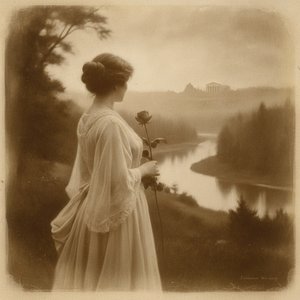
Explore the profound history of Pictorialism, the revolutionary movement that elevated photography to a fine art. Uncover how visionaries used painterly techniques and soft focus to transcend mere documentation, imbuing the lens with the emotional depth of classical masterpieces.

Explore the profound emotional depth of documentary photography art. Discover how collectors curate powerful historical narratives through museum-quality black and white prints and fine art reproductions that preserve humanity's most resilient moments.

Explore the profound evolution of contemporary photography through a connoisseur's lens. From monochrome mastery to digital innovation, discover how modern photographic works shape fine art collections and define our cultural legacy.

 設置イメージを確認
 送る
送る シェア
シェア
 詳細情報
詳細情報 ガイドを表示

 画像をダウンロード
 似ている作品
 X線調査
X線調査 スライドショー
 統計情報
統計情報 続きを読む
続きを読む









 ガラスオプションは、110cm未満のサイズでのみご利用いただけます。


