

 Oil On CanvasWallArtMannerism
 1563Renaissance
 67.0 x 51.0 cm
 Kunsthistorisches Museum
スピーディーな制作と多彩な仕上げオプションが魅力の、ミュージアムクオリティなジークレー・キャンバスプリント。 ( 手描きの複製画を注文する デジタル画像販売へ切り替え)





























作品のオリジナル比率に合わせた、当店の規定サイズからお選びください。

額縁や壁のスペースに合わせて、ご希望の幅と高さを入力してください。プリントはカットすることは可能ですが、元の画像より大きくすることはできないため、異なる比率のサイズを選択された場合は、画像の一部が欠けることになります。印刷を開始する前に、内容を確認していただくためのデジタルモックアップをお送りいたします。このページに表示されている画像は、実際のカット後の状態を示すものではありません。実際の仕上がりはモックアップにてご確認ください。
Winter
複製画サイズ一覧
In the quiet, chilling depths of Giuseppe Arcimboldo’s Winter, we encounter one of the most profound enigmas of the Late Renaissance. Painted around 1563, this masterpiece does not merely depict a season; it breathes life into an allegory of survival and transformation. At first glance, the viewer is met with a striking, anthropomorphic figure—a creature born from the very essence of the earth’s dormant period. This is not a traditional portrait of flesh and bone, but a surrealist precursor that uses the textures of nature to construct a human likeness. The composition centers on a tree-like entity emerging from a woven wicker basket, creating a sense of grounded, organic weight that commands the room. It is a work that demands a second, third, and fourth look, rewarding the observant eye with a hidden world of intricate detail.
The technique employed by Arcimboldo is nothing short of miraculous, showcasing a mastery of Mannerist precision. Using oil paints on canvas, the artist meticulously layered pigments to achieve a tactile richness that feels almost sculptural. One can trace the rugged, furrowed bark of the branches and the delicate, frost-like textures of the foliage through his expert brushwork. The lighting is intentionally dramatic, casting deep shadows against an abyssal black background, which serves to push the illuminated subject forward into the viewer's space. This high-contrast approach, reminiscent of later chiaroscuro, lends the piece a theatrical intensity, making the organic forms appear to glow with an inner, ancient light.
Beyond its visual trickery, Winter is steeped in the complex intellectual currents of the 16th century. To the Renaissance mind, every element was a vessel for meaning. The choice of a tree-like figure emerging from a basket suggests the concept of latent life—the idea that even in the dead of winter, the seeds of spring are held in a state of suspended animation. The fruits and organic shapes nestled within the composition act as symbols of abundance and the cyclical nature of time, representing the transition between decay and rebirth. For the collector or interior designer, this piece offers more than mere decoration; it provides a profound philosophical anchor, evoking themes of resilience, patience, and the enduring strength of the natural world.
The emotional impact of the artwork is a delicate balance of mystery and unsettling beauty. There is a certain melancholic grandeur in the way the figure stands solitary against the darkness, yet there is also an undeniable sense of wonder. It is a piece that invites contemplation, making it an ideal centerpiece for a sophisticated study, a grand library, or a curated gallery space. As a high-quality reproduction, this painting brings the whimsical yet profound spirit of Arcimboldo into the modern home, offering a window into a time when art was a puzzle to be solved and a mirror held up to the mysteries of the universe.
「Winter」のパレットは、彩度がSubtle Colorです。
原画のジュゼッペ・アルチンボルド作「Winter」のサイズは67 x 51 cmです。
「Winter」の複製画は、Living Roomに美しく調和します。


1527 - 1593 , イタリア
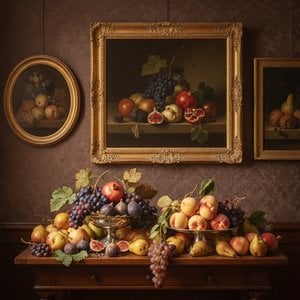
Discover the profound beauty of fruit still life paintings. Explore the rich symbolism, Baroque mastery, and timeless allure of nature's bounty through an art-historical lens, perfect for collectors and enthusiasts of classical fine art.

Explore the profound beauty of fruit arrangement masterpieces. From Dutch Golden Age opulence to Baroque chiaroscuro, discover the art history, symbolism, and timeless elegance of classical still life paintings for the discerning collector.

Embark on a sophisticated journey through art history with our exploration of still life masterpieces. Discover the profound symbolism behind classical paintings of drinks and fruit, curated for the true connoisseur seeking timeless elegance and academic depth.

Discover the profound allure of oil on canvas. Explore the mastery of impasto textures, the science of pigment longevity, and expert guides to selecting museum-quality reproductions that elevate your collection with timeless elegance and tactile depth.

 設置イメージを確認
 送る
送る シェア
シェア
 詳細情報
詳細情報 ガイドを表示

 画像をダウンロード
 似ている作品
 X線調査
X線調査 スライドショー
 統計情報
統計情報 続きを読む
続きを読む









 ガラスオプションは、110cm未満のサイズでのみご利用いただけます。


