
 Oil On CanvasWallArtHigh Renaissance
 1566
1566 64.0 x 51.0 cm
迅速な制作と多彩な仕上げオプションを備えた、ミュージアムクオリティのジークレーまたはキャンバスプリント。 ( 手描きの絵画を購入 デジタル画像販売へ切り替え)





























作品のオリジナル比率に合わせた、当店の規定サイズからお選びください。

特定のフレームやスペースに合わせて、ご自身でサイズを指定することも可能です。選択されたサイズが元の画像の比率と一致しない場合、作品をトリミングするか、鏡面反射または単色での塗りつぶしによって画像を拡張いたします。制作を開始する前に、ご確認用のデジタルモックアップをお送りいたします。
画面上のプレビューには、実際のトリミングや拡張は反映されませんのでご注意ください。最終的な構図を正確に確認できるのは、モックアップのみとなります。
カスタムサイズも承っておりますが、元の比率を維持するためには、あらかじめ用意されたリストからサイズを選択することをお勧めいたします。

The Lawyer
複製画のサイズ
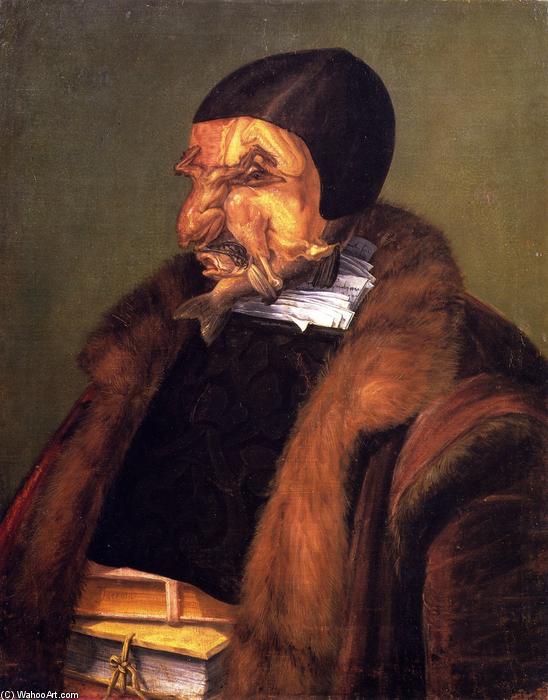
Giuseppe Arcimboldo’s “The Lawyer,” painted in 1566, is more than just a portrait; it’s a meticulously constructed meditation on profession, knowledge, and the very nature of representation. Housed within the Finnish National Gallery, this oil-on-canvas masterpiece offers a captivating glimpse into the Renaissance mind – a world where art was inextricably linked to intellect, status, and even religious symbolism. The painting immediately arrests the viewer with its audacious composition: a man rendered entirely from meticulously arranged objects—fruits, vegetables, books, and luxurious fabrics—creating an arresting image of a legal professional at the height of his power.
“The Lawyer” is rich in symbolic elements that reflect the intellectual and cultural currents of the Renaissance. The most obvious symbol is the book, prominently placed on the left side of the composition. Books represented knowledge, learning, and the legal profession itself – a cornerstone of education during this period. Further reinforcing this theme are two additional books visible within the scene, one near the bottom right corner and another at the top right corner. These additions suggest a broader engagement with literature and scholarship, highlighting the importance of intellectual pursuits alongside professional duties. The inclusion of fruits and vegetables adds another layer of meaning, often associated with abundance, prosperity, and even allegory – representing virtues or vices depending on their arrangement.
Created in 1566, “The Lawyer” reflects the societal values and expectations of the Renaissance. The legal profession held a position of considerable power and influence during this era, and Arcimboldo's depiction captures this authority with precision. Arcimboldo was not simply creating portraits; he was crafting allegorical statements about human nature and the world around him. His work reflects the humanist ideals prevalent at the time – an emphasis on reason, observation, and the study of classical antiquity. The painting serves as a window into the past, offering insights into the lives and roles of lawyers during the Renaissance.
“The Lawyer” continues to captivate viewers centuries after its creation. Arcimboldo’s innovative approach to portraiture challenges our perceptions of identity and representation. The painting evokes a sense of both admiration for the subject's authority and wonder at the artist's ingenuity. It is a testament to Arcimboldo’s unique vision and his ability to transform ordinary objects into extraordinary works of art. This piece remains a powerful example of Renaissance artistry, demonstrating the profound connection between art, intellect, and social commentary.

1527 - 1593 , イタリア

Discover the enduring allure of hand-painted oil reproductions. WahooArt offers museum-quality, archival masterpieces designed for discerning collectors seeking timeless beauty and a lasting legacy. Invest in fine art that transcends generations with our expert craftsmanship.

Discover the profound allure of oil on canvas. Explore the mastery of impasto textures, the science of pigment longevity, and expert guides to selecting museum-quality reproductions that elevate your collection with timeless elegance and tactile depth.
Discover the exquisite journey of transforming digital photography into bespoke oil masterpieces. Experience unparalleled craftsmanship with hand-painted reproductions that bridge modern memories and timeless fine art excellence.

Discover the enduring allure of oil on canvas. Explore how master techniques like impasto and glazing create the depth, texture, and emotional resonance found in the world's greatest masterpieces. An essential guide for fine art enthusiasts and discerning collectors.

 プレビュー
プレビュー
 シェアする
シェアする シェアする
シェアする
 詳細を見る
詳細を見る ガイド
ガイド

 ダウンロード
 似ている作品
 X線調査
X線調査 スライドショー
 統計情報
統計情報 詳細を見る
詳細を見る









 ガラスオプションは、110cm未満のサイズでのみご利用いただけます。


