
 Acrylic On CanvasWallArtRenaissance Mannerism
 1585Renaissance
 181.0 x 270.0 cm
 ウフィツィ美術館
迅速な制作と多彩な仕上げオプションを備えた、ミュージアムクオリティのジークレーまたはキャンバスプリント。 ( 手描きの絵画を購入 デジタル画像販売へ切り替え)





























作品のオリジナル比率に合わせた、当店の規定サイズからお選びください。

特定のフレームやスペースに合わせて、ご自身でサイズを指定することも可能です。選択されたサイズが元の画像の比率と一致しない場合、作品をトリミングするか、鏡面反射または単色での塗りつぶしによって画像を拡張いたします。制作を開始する前に、ご確認用のデジタルモックアップをお送りいたします。
画面上のプレビューには、実際のトリミングや拡張は反映されませんのでご注意ください。最終的な構図を正確に確認できるのは、モックアップのみとなります。
カスタムサイズも承っておりますが、元の比率を維持するためには、あらかじめ用意されたリストからサイズを選択することをお勧めいたします。

Horse harness
複製画のサイズ
Giuseppe Arcimboldo, a name synonymous with audacious creativity and intellectual depth, remains one of the most captivating figures in the history of art. Born in Milan in 1527, his career unfolded during a period of profound transformation in Europe – a time of burgeoning scientific inquiry, religious reformation, and an intense fascination with the interplay between nature and human representation. While initially recognized for his skillful frescoes adorning grand churches and portraits adhering to the conventions of courtly society, Arcimboldo ultimately forged a singular path, crafting extraordinary composite heads that defied easy categorization. “Horse Harness,” painted in 1585, stands as a testament to this innovative spirit, offering a glimpse into the artist’s complex worldview and his masterful command of visual language.
The painting itself is deceptively simple at first glance: a meticulously rendered head of a horse, its profile turned slightly towards the viewer. However, upon closer inspection, the illusion shatters. Instead of flesh and bone, the horse's face is constructed entirely from an astonishing array of carefully arranged objects – vibrant fruits, intricate floral arrangements, delicate scrolls, and even what appear to be miniature books. The sheer density of detail is breathtaking; each element contributes to a cohesive whole, creating a portrait that is both strikingly realistic and profoundly surreal. Arcimboldo’s technique involved painstaking layering of thin glazes of oil paint upon gesso panels, allowing him to build up the forms with incredible precision and depth. He employed a meticulous approach, often working on multiple layers over extended periods, ensuring each component was perfectly positioned and harmoniously integrated.
“Horse Harness” is far more than just a clever visual trick; it’s a richly layered allegory brimming with Renaissance symbolism. The horse itself represents power, nobility, and strength – qualities highly valued in 16th-century society, particularly within the context of royal courts. The elaborate harness adorning the animal's head further emphasizes this theme, suggesting a connection to military prowess and imperial authority. However, Arcimboldo doesn’t simply celebrate these virtues; he subtly introduces elements of mortality and transience. The fruits, representing the fleeting beauty of life, are arranged in a manner that hints at decay and eventual transformation. The inclusion of books – symbols of knowledge and wisdom – suggests a contemplation on the ephemeral nature of human understanding.
The specific arrangement of objects within the composition is also significant. The swirling patterns of the scrolls evoke notions of cyclical time, while the delicate flowers represent beauty and fragility. Some scholars interpret the inclusion of musical instruments as alluding to the harmony between earthly pleasures and spiritual contemplation. Arcimboldo’s genius lies in his ability to weave together these disparate elements into a single, unified image that speaks volumes about the human condition.
“Horse Harness” provides invaluable insight into the intellectual climate of the late 16th century. The Renaissance was characterized by a renewed interest in classical antiquity and a burgeoning humanist philosophy that emphasized the importance of individual experience and observation. Arcimboldo’s work reflects this spirit of inquiry, challenging traditional notions of portraiture and inviting viewers to engage with the image on multiple levels. His composite heads were not merely decorative; they were designed to stimulate thought and provoke discussion about fundamental questions concerning identity, mortality, and the relationship between humanity and nature.
The painting’s placement within the Galleria degli Uffizi in Florence underscores its significance as a masterpiece of Renaissance art. Its relatively modest size (181 x 270 cm) belies the immense complexity and intellectual depth contained within its borders. “Horse Harness” remains a powerful reminder of Arcimboldo's extraordinary talent and his enduring legacy as one of the most innovative and enigmatic artists of all time.
Today, reproductions of “Horse Harness” are highly sought after by art collectors and interior designers alike. The painting's vibrant colors, intricate details, and symbolic richness make it a captivating addition to any space. When selecting a reproduction, consider the quality of materials used – a hand-painted replica will capture the nuances of Arcimboldo’s original technique far more effectively than a digitally printed print. The piece serves as an excellent conversation starter, inviting viewers to contemplate its layers of meaning and appreciate the artist's remarkable vision.
Beyond its aesthetic appeal, “Horse Harness” offers a valuable source of artistic inspiration. Arcimboldo’s innovative approach to portraiture continues to resonate with contemporary artists who seek to challenge conventional boundaries and explore new ways of representing the human form. His work reminds us that art can be both intellectually stimulating and emotionally evocative – a testament to the enduring power of creative expression.


1527 - 1593 , イタリア

Explore the profound beauty of fruit arrangement masterpieces. From Dutch Golden Age opulence to Baroque chiaroscuro, discover the art history, symbolism, and timeless elegance of classical still life paintings for the discerning collector.
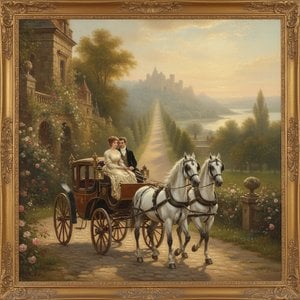
Embark on a visual journey through the romantic world of horse carriage art. Discover the mastery of equestrian oil paintings, from Impressionist textures to classical realism, and learn how to bring timeless elegance into your home with museum-quality reproductions.

Explore the profound beauty of equestrian art. From the realism of Meissonier to impressionistic studies, discover how master techniques capture the noble spirit of the horse in fine oil reproductions and custom commissions.

Embark on a visual journey through history's most opulent masterpieces. Explore the breathtaking beauty of Baroque banquets and fruit still lifes, celebrating themes of abundance and luxury through the lens of timeless classical art expertise.
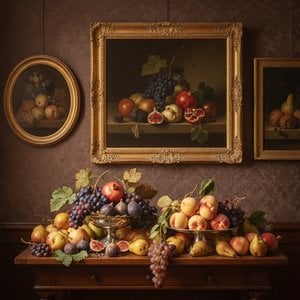
Discover the profound beauty of fruit still life paintings. Explore the rich symbolism, Baroque mastery, and timeless allure of nature's bounty through an art-historical lens, perfect for collectors and enthusiasts of classical fine art.


 プレビュー
プレビュー
 シェアする
シェアする シェアする
シェアする
 詳細を見る
詳細を見る

 ダウンロード
 似ている作品
 X線調査
X線調査 スライドショー
 統計情報
統計情報 詳細を見る
詳細を見る









 ガラスオプションは、110cm未満のサイズでのみご利用いただけます。


