

 Oil On CanvasWallArtMannerist Portraiture
 1573
1573 76.0 x 64.0 cm
 ルーブル美術館
スピーディーな制作と多彩な仕上げオプションが魅力の、ミュージアムクオリティなジークレー・キャンバスプリント。 ( 手描きの複製画を注文する デジタル画像販売へ切り替え)





























作品のオリジナル比率に合わせた、当店の規定サイズからお選びください。

額縁や壁のスペースに合わせて、ご希望の幅と高さを入力してください。プリントはカットすることは可能ですが、元の画像より大きくすることはできないため、異なる比率のサイズを選択された場合は、画像の一部が欠けることになります。印刷を開始する前に、内容を確認していただくためのデジタルモックアップをお送りいたします。このページに表示されている画像は、実際のカット後の状態を示すものではありません。実際の仕上がりはモックアップにてご確認ください。
Autumn
複製画サイズ一覧
Giuseppe Arcimboldo’s “Autumn,” painted in 1573, isn’t merely a still life; it’s an audacious declaration of human ingenuity and a profound meditation on the cyclical nature of time. This remarkable work, now residing within the hallowed halls of the Louvre Museum in Paris, transcends the boundaries of traditional portraiture, transforming a single man into a vibrant tapestry of autumnal bounty. Arcimboldo, a master of the Mannerist style, didn’t simply arrange fruits and vegetables; he meticulously constructed a face – a visage brimming with life, wisdom, and an almost unsettling beauty – entirely from these natural elements.

The painting’s power lies not just in its subject matter, but in the extraordinary skill with which it was executed. Arcimboldo employed oil on canvas, a medium that allowed for rich textures and subtle gradations of color – crucial to achieving the illusion of depth and volume within the constructed face. Notice how he's used varying shades of green to mimic skin tones, layering apples and pears to create the contours of a nose and mouth, and utilizing grapes and leaves to form a crown-like arrangement around the head. The meticulous attention to detail is breathtaking; each fruit and vegetable is rendered with remarkable precision, contributing to the overall sense of realism despite its fantastical nature. The use of contrasting colors – the vibrant reds of apples against the deep greens of foliage – further enhances the visual impact.
“Autumn” isn’t simply a decorative exercise; it's deeply rooted in Renaissance symbolism and allegorical thought. The choice of autumnal fruits and vegetables is laden with meaning. Apples, often associated with knowledge and wisdom, frame the face, suggesting an intellectual depth. Grapes represent abundance and prosperity, while onions – traditionally linked to tears and sorrow – subtly hint at mortality. The inclusion of birds scattered throughout the composition adds another layer of symbolism, representing freedom, joy, and perhaps even a fleeting connection to the natural world. Furthermore, the painting’s creation coincided with the rise of interest in the New World and its exotic goods, making the incorporation of items like gourds – originating from North America – a deliberate statement about the Habsburg Empire's global reach and influence.
Giuseppe Arcimboldo’s “Autumn” stands as a pivotal work in the history of art, solidifying his reputation as one of the most innovative and imaginative artists of the Renaissance. His unique approach to portraiture—transforming human faces into elaborate constructions of objects—anticipated later developments in Surrealism and Pop Art. He was commissioned by Holy Roman Emperors Rudolf II and Maximilian II, who appreciated his ability to create visually arresting and intellectually stimulating works that reflected their own fascination with science, nature, and the exotic. Reproductions of “Autumn” offer a captivating glimpse into Arcimboldo’s world—a world where art transcends the boundaries of representation and becomes a powerful vehicle for communication and contemplation. WahooArt offers exquisite hand-painted reproductions that faithfully capture the artistry and symbolism of this extraordinary masterpiece, allowing you to bring its timeless beauty into your home or office.
ジュゼッペ・アルチンボルド作「Autumn」は、Earthyなカラーパレットを使用しています。この配色が、作品全体の色彩的特徴を象徴しています。
スライドショーをご覧いただけます:ジュゼッペ・アルチンボルド作「Autumn」のスライドショーページ。
「Autumn」は、Espresso (#4a413f)を主軸としたEarthyなパレットによって構成されています。

1527 - 1593 , イタリア

Explore the profound beauty of fruit arrangement masterpieces. From Dutch Golden Age opulence to Baroque chiaroscuro, discover the art history, symbolism, and timeless elegance of classical still life paintings for the discerning collector.

Explore the dramatic evolution of Northern Mannerism. Discover how masters like Bosch and Grünewald transitioned from Renaissance harmony to profound, elegant distortion through an expert analysis of symbolism, emotional intensity, and artistic innovation.

Embark on a visual journey through the golden hues of autumn fine art. Discover how masters like Van Gogh capture seasonal magic through vibrant oil landscapes and explore expert tips for collecting timeless autumnal masterpieces.
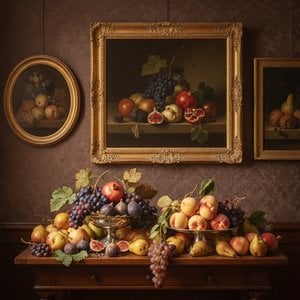
Discover the profound beauty of fruit still life paintings. Explore the rich symbolism, Baroque mastery, and timeless allure of nature's bounty through an art-historical lens, perfect for collectors and enthusiasts of classical fine art.

Unveil the captivating world of Mannerism. Our expert analysis explores the transition from Renaissance harmony to the profound, elegant distortions of masters like El Greco, offering deep insights into one of art history's most influential and enigmatic eras.

 設置イメージを確認
 送る
送る シェア
シェア
 詳細情報
詳細情報 ガイドを表示

 画像をダウンロード
 似ている作品
 X線調査
X線調査 スライドショー
 統計情報
統計情報 続きを読む
続きを読む









 ガラスオプションは、110cm未満のサイズでのみご利用いただけます。


