
 Oil On CanvasWallArtBaroque Painting
 138.0 x 159.0 cm
 ルーブル美術館
迅速な制作と多彩な仕上げオプションを備えた、ミュージアムクオリティのジークレーまたはキャンバスプリント。 ( 手描きの絵画を購入 デジタル画像販売へ切り替え)





























作品のオリジナル比率に合わせた、当店の規定サイズからお選びください。

特定のフレームやスペースに合わせて、ご自身でサイズを指定することも可能です。選択されたサイズが元の画像の比率と一致しない場合、作品をトリミングするか、鏡面反射または単色での塗りつぶしによって画像を拡張いたします。制作を開始する前に、ご確認用のデジタルモックアップをお送りいたします。
画面上のプレビューには、実際のトリミングや拡張は反映されませんのでご注意ください。最終的な構図を正確に確認できるのは、モックアップのみとなります。
カスタムサイズも承っておりますが、元の比率を維持するためには、あらかじめ用意されたリストからサイズを選択することをお勧めいたします。

Hagar in the Wilderness
複製画のサイズ
Giovanni Lanfranco’s “Hagar in the Wilderness” is not merely a depiction of a biblical narrative; it's a profound exploration of maternal desperation, divine mercy, and the enduring human struggle for survival. Painted circa 1620-1630 during his time in Rome, this monumental work, now housed within the Louvre’s collection, immediately commands attention with its dramatic chiaroscuro – a masterful manipulation of light and shadow that plunges the scene into an atmosphere of intense emotionality. The composition is dominated by a vast, desolate landscape, rendered in muted browns and ochres, conveying a sense of utter isolation and impending doom. This isn’t a picturesque wilderness; it's a brutal, unforgiving environment designed to evoke feelings of vulnerability and despair.
Lanfranco's skill lies not just in his dramatic setting, but also in the exquisite rendering of texture and form. The rough, uneven surface of Hagar’s cloak contrasts sharply with the smooth, almost ethereal quality of her skin. The angel’s garments are rendered in vibrant oranges and yellows, creating a striking visual counterpoint to the surrounding darkness – a beacon of hope amidst the bleakness. Notice how Lanfranco uses *sfumato*, a technique borrowed from Leonardo da Vinci, to soften edges and create a hazy atmosphere, further enhancing the sense of distance and isolation. The use of layered glazes builds up depth and luminosity, particularly in the angel’s wings and the folds of Hagar's drapery, demonstrating his mastery of oil painting techniques.
Lanfranco’s meticulous attention to detail—from the wrinkles on Hagar’s face to the subtle shading of the distant mountains—is a testament to his artistic skill and dedication.Beyond the literal narrative, “Hagar in the Wilderness” is rich with symbolic meaning. Hagar herself represents resilience, maternal devotion, and the enduring spirit of faith. Her posture—head raised, eyes fixed on the approaching angel—conveys a sense of profound relief and gratitude. The angel, depicted as a figure of serene authority, embodies divine intervention and offers salvation to a woman in desperate need. The presence of Ishmael, partially obscured behind Hagar, symbolizes the future lineage promised by God – a testament to the enduring power of faith even in the face of adversity. The desert itself can be interpreted as a metaphor for spiritual aridity and the challenges faced on the path to salvation.
“Hagar in the Wilderness” transcends its biblical subject matter to become a universal meditation on motherhood, faith, and the human condition. The painting’s emotional intensity—the palpable sense of despair juxtaposed with the promise of hope—resonates deeply with viewers centuries after its creation. It's a powerful reminder that even in our darkest moments, divine grace can intervene, offering solace and a renewed sense of purpose. The image continues to captivate audiences with its dramatic composition, masterful technique, and profound emotional depth, solidifying Lanfranco’s place as one of the most significant figures of the Baroque era.

ジョヴァンニ・ガスパーレ・ランフランコは、1582年にパルマにて、ステファノとコルネリア・ランフランキの三男として生を受けました。その類まれな芸術的才能は早くから周囲に認められ、ボローニャを代表する画家アンニバーレ・カラッチの弟であるアゴスティーノ・カラッチのもとで修業を積むこととなります。また、パルマのファルネーゼ宮殿ではシスト・バダロッチョと共に研鑽を重ねました。ランフランコの学びは、ローマにあるアンニバーレ・カラッチの巨大な工房へと引き継がれ、そこで彼は「ガッレリア・ファルネーゼ」のような壮大なプロジェクトに携わりました。ポリュフェモスとガラテアを描いたパネル制作への参加は、彼を活気に満ちた芸術的環境へと導き、その後の輝かしいキャリアの揺るぎない礎となったのです。
1609年にアンニバーレ・カラッチが没した後、ランフランコは一時パルマへ戻りますが、1612年には再びローマに拠点を構え、自らの地位を確立しました。そこで彼が築き上げたのは、ダイナミックな構図と演劇的な光の演出、そして天井画に極めて適した先見的なアプローチを特徴とする、独自の様式でした。ルドヴィーコ・カラッチの後期の作品や、おそらくカラヴァッジョの影響も受けつつ、彼はコレッジョの装飾的なスタイルに対しても強い親和性を示しました。初期の作品には、様々な巨匠たちの要素を取り入れながらも、次第に自らの道を切り拓いていく折衷的な広がりが見て取れます。彼の発展における決定的な要素は、フレスコ画において錯視的な効果を生み出す卓越した能力であり、それがバロック美学の形成に多大な貢献を果たしたのです。
ランフランコのキャリアは、彼に数多くの作品を依頼した教皇パウルス5世のもとで黄金期を迎えます。彼の代表的な業績には、以下のようなものがあります:
ジョヴァンニ・ランフランコは、17世紀ローマの芸術的景観を形作る上で極めて重要な役割を果たしました。彼は主要な依頼案件を巡ってドメニキーノと競い合い、当時の一流画家たちの間で繰り広げられた激しい競争の一翼を担いました。フレスコ画に対する彼の革新的なアプローチ、特に錯視技法の習熟と劇的な構図は、後世の芸術家たちに深い影響を与えました。ランフランコの作品には、ダイナミズム、感情、そして壮大さを追求したバロック時代全体の潮流が反映されており、彼をその時代で最も重要な画家の一人として不動のものにしました。その足跡は、フランチェスコ・ソリメーナをはじめとする後続のイタリア人画家たちの作品の中にも、脈々と受け継がれています。

1582 - 1647 , イタリア
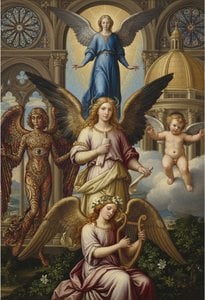
Explore the profound beauty of angelic figures in art history. From Renaissance masterpieces to celestial symbolism, our expert guide offers a sophisticated journey through the divine imagery of the Old Masters for discerning collectors and art enthusiasts.


 プレビュー
プレビュー
 シェアする
シェアする シェアする
シェアする
 詳細を見る
詳細を見る ガイド
ガイド

 ダウンロード
 似ている作品
 X線調査
X線調査 スライドショー
 統計情報
統計情報 詳細を見る
詳細を見る









 ガラスオプションは、110cm未満のサイズでのみご利用いただけます。


