
 Oil On CanvasWallArtEarly Renaissance
 1488
1488 115.0 x 46.0 cm
 サンタ・マリア・グロリオザ・デイ・フラリBasilica
迅速な制作と多彩な仕上げオプションを備えた、ミュージアムクオリティのジークレーまたはキャンバスプリント。 ( 手描きの絵画を購入 デジタル画像販売へ切り替え)





























作品のオリジナル比率に合わせた、当店の規定サイズからお選びください。

特定のフレームやスペースに合わせて、ご自身でサイズを指定することも可能です。選択されたサイズが元の画像の比率と一致しない場合、作品をトリミングするか、鏡面反射または単色での塗りつぶしによって画像を拡張いたします。制作を開始する前に、ご確認用のデジタルモックアップをお送りいたします。
画面上のプレビューには、実際のトリミングや拡張は反映されませんのでご注意ください。最終的な構図を正確に確認できるのは、モックアップのみとなります。
カスタムサイズも承っておりますが、元の比率を維持するためには、あらかじめ用意されたリストからサイズを選択することをお勧めいたします。

Frari Triptych (detail) (15)
複製画のサイズ
Within the hallowed walls of the Basilica di Santa Maria Gloriosa dei Frari in Venice resides a treasure – the Frari Triptych, or Pesaro Triptych, painted by the masterful Giovanni Bellini around 1488. This isn’t merely a religious depiction; it's a profound meditation on faith, humanity, and the very essence of Venetian life during the burgeoning Renaissance. The triptych, now presented as a detailed panel, offers a glimpse into Bellini’s evolving style – a harmonious blend of Byzantine tradition and the innovative spirit of his time, capturing both solemnity and an almost palpable sense of warmth.
Bellini's genius lay in his ability to imbue his subjects with life. The central panel showcases the Virgin Mary enthroned with the Christ Child, surrounded by a carefully orchestrated group of angelic musicians. Notice how Bellini eschews stark outlines and harsh contrasts, favoring instead a gradual build-up of color and light. This technique, perfected through his mastery of oil paint – a relatively new medium in Venice at the time – creates an astonishing sense of depth and luminosity. The rich blues and purples of Mary’s mantle, shimmering against the golden backdrop of the apse, draw the eye inward, inviting contemplation.
The Frari Triptych is more than just a religious artwork; it’s a vibrant snapshot of 15th-century Venice. The inclusion of Saint Nicholas, Saint Peter, and Saint Mark – the patron saints of Venice – underscores the city's deep connection to its faith and its maritime power. The depiction of Saint Nicholas, holding a gift, subtly hints at the wealth and prosperity that flowed through Venetian trade routes. Furthermore, the architectural elements within the triptych—the stylized apse—are not simply decorative; they are designed to create an illusionistic space, blurring the boundaries between painting and reality, a hallmark of Bellini’s artistic vision.
The commission itself offers insight into Venetian society. The triptych was created for the Pesaro family, one of Venice's most influential noble families. Such commissions were not simply about adorning a chapel; they were statements of wealth, piety, and social standing. Bellini’s skill in capturing the likenesses of the Pesaro family members—evident in the subtle details of their robes and expressions—further emphasizes this connection.
Giovanni Bellini's Frari Triptych stands as a pivotal work in the history of Venetian painting. It represents a crucial transition from the rigid formality of the Gothic era to the more expressive and humanistic style that would characterize the High Renaissance. Bellini’s influence can be seen in the works of his successors, including Giorgione and Titian, who built upon his innovations in color, light, and composition.
Today, this exquisite panel offers a profound connection to the artistic genius of Venice during its golden age. It's a testament to Bellini’s ability to capture not just the outward appearance of religious figures but also their inner spirit—a quality that continues to resonate with viewers centuries later. The triptych invites us to lose ourselves in its luminous beauty and contemplate the timeless themes of faith, humanity, and the enduring legacy of Venetian art.


1433 - 1516 , Italy
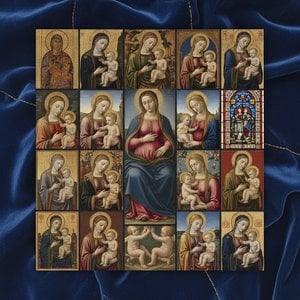
Embark on a sophisticated journey through art history with our curated guide to the most iconic Madonna and Child masterpieces. Discover the profound beauty, theological depth, and enduring legacy of these sacred Renaissance treasures.
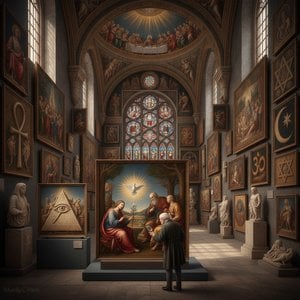
Explore the profound power of religious symbolism in art history. From Renaissance masterpieces to sacred iconography, uncover the hidden meanings behind divine details in a deep dive into classical art excellence.

Embark on a journey through the Venetian Renaissance. Discover how masters like Giorgione and Titian revolutionized art through luminous color and light. Explore the profound legacy of the Venetian School and its enduring influence on the world of fine art.


 プレビュー
プレビュー
 シェアする
シェアする シェアする
シェアする
 詳細を見る
詳細を見る ガイド
ガイド

 ダウンロード
 似ている作品
 X線調査
X線調査 スライドショー
 統計情報
統計情報 詳細を見る
詳細を見る









 ガラスオプションは、110cm未満のサイズでのみご利用いただけます。


